



CUTA releases accessibility study
The report shows that the case for providing accessible transit is supported by a broad spectrum of annual monetary benefits to the national economy.

The Canadian Urban Transit Association (CUTA) released a new report on the Value Case for Accessible Transit in Canada. The study, which highlights the economic and social benefits of accessible transit in Canada, has been developed with the underlying key themes of universal accessibility, inclusion, strong vibrant communities and health.
"This study provides the first value case account of accessible transit in Canada and is an important first step in continuing to evaluate the benefits of such services in our society," says Lorna Stewart, director of Edmonton Transit Disabled Adult Transit Services (DATS).
This report shows that the case for providing accessible transit is supported by a broad spectrum of annual monetary benefits to the national economy.
"The most significant benefit identified in the report was on the income that can be generated by increased labor force participation and its resulting potential to generate millions in GDP output and in additional tax base," says CUTA President/CEO Michael Roschlau.
This economic activity represents an important contributor to the vitality of communities across the country.
The report shows that the number of seniors in Canada is forecast to more than double from 4 million to 9.9 million between 2006 and 2036. From an aging population point of view, investments in accessible transit will be crucial, particularly when looking at health policy linkages. "
It will be important for decision makers across the country to view these linkages as a whole and draw insights from them to ensure proper investments are in place to support age friendly cities and communities," says Stewart.
More Paratransit

Biz Briefs: RIPTA Unveils New Frontrunners, Clevland RTA Adds New Siemens, and More
In METRO's latest installment, we take a look at recent news from Siemens, Prevost, Dodge, and more partnerships making headlines across the transportation sector.
Read More →
King County Metro Makes ADA Paratransit Easier to Navigate
METRO's Innovative Solutions Award winner replaces complex service-area descriptions with an accessible, interactive map that puts paratransit information directly in customers’ hands.
Read More →
Jacksonville’s NAVI Project Charts a New Course for Autonomous Public Transportation
Through its NAVI program, JTA is showing how autonomous vehicles, intelligent infrastructure, and coordinated operations can work together to deliver everyday public transportation.
Read More →
Driving Smarter Paratransit
John Hanlon shares how AlphaRoute is leveraging AI-powered technology to help paratransit providers optimize operations, support frontline staff, and enhance the rider experience.
Read More →
METRO Magazine Announces 2026 Innovative Solutions Awards Winners
Projects Recognized for Advancing Mobility Through Technology, Accessibility, Workforce Innovation, and Operational Excellence
Read More →
Biz Briefs: STV teams with Amtrak, Motorcoach Operators Boost Fleet and Land Contracts, and More
From manufacturers and suppliers to transit agencies and motorcoach operators, these updates offer a snapshot of the projects, partnerships and business moves driving the industry forward.
Read More →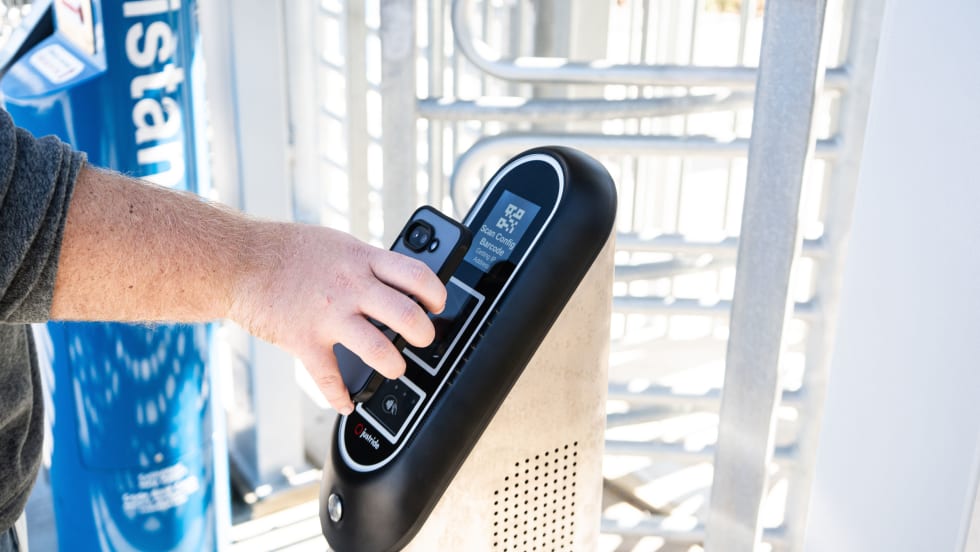
Biz Briefs: Masabi Teams with St. Louis Metro and More
In METRO's latest installment, we take a look at recent news from Transdev, Hitachi, and more partnerships making headlines across the transportation sector.
Read More →
New York MTA Leverages Zoning Program to Advance Station Accessibility
Accessibility enhancements at Nevins St Station will be financed through a development agreement tied to the MTA's Zoning for Accessibility initiative.
Read More →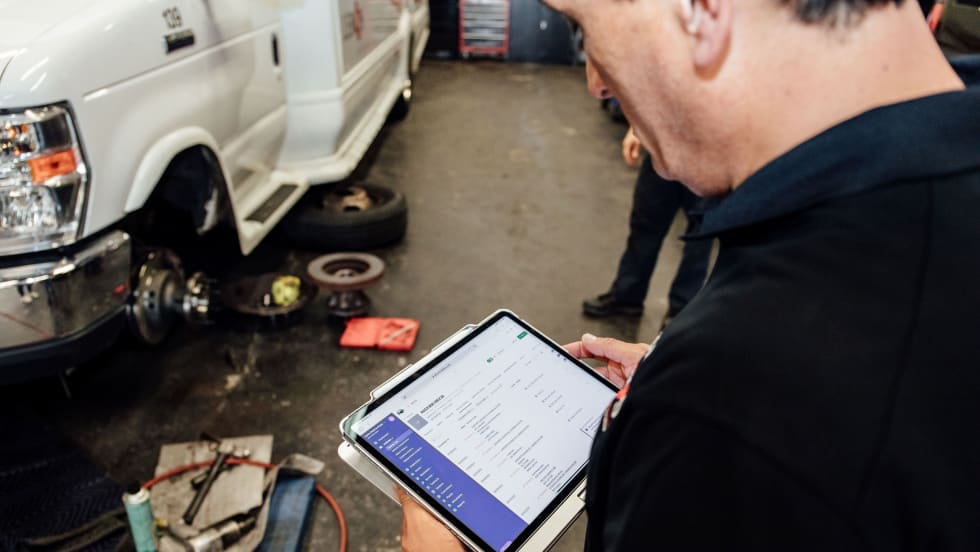
Reinventing Fleet Maintenance with Real-time Visibility and AI
Transit leaders need to know what needs fixing, where to look, who is responsible, when work is completed, and what it costs without having to chase information across disconnected systems.
Read More →
SamTrans Sets Priorities for Potential Connect Bay Area Revenue
The board-approved framework allocates future funding to maintaining service, rider improvements, equity initiatives, and infrastructure repairs.
Read More →