



D.C. Metro to retrofit vending machines to dispense smartcards
Will upgrade more than 500 fare vending machines over the next two years at stations throughout the system to dispense SmarTrip cards instead of paper fare cards.

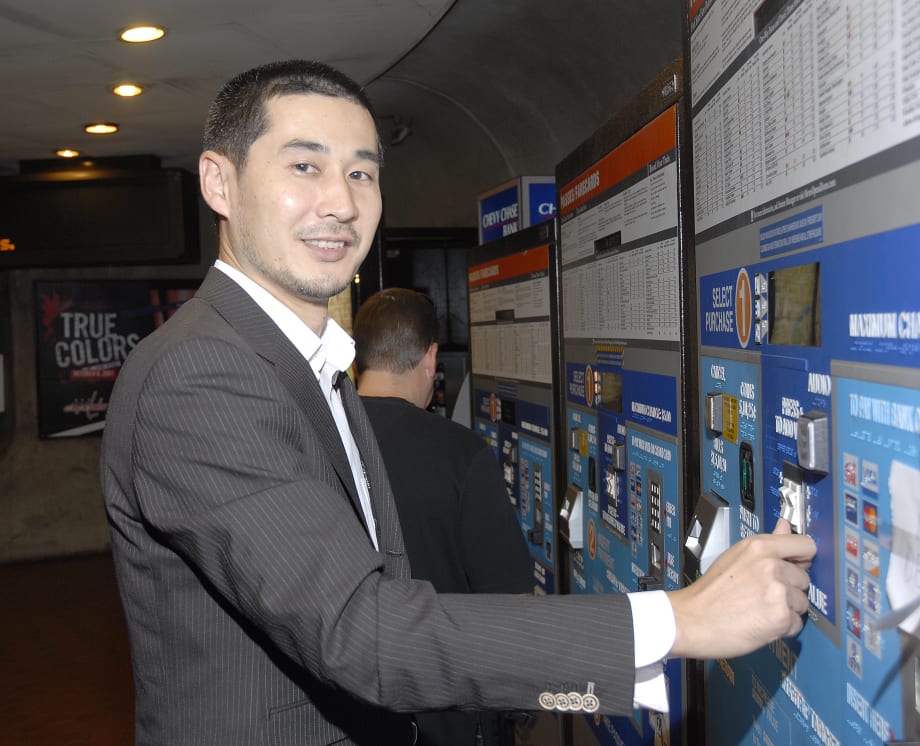
A Metro rider purchases a fare card at the Foggy Bottom Metrorail station. Courtesy WMATA, Larry Levine.
A Metro rider purchases a fare card at the Foggy Bottom Metrorail station. Courtesy WMATA, Larry Levine.
Washington Metropolitan Area Transit Authority (Metro) plans to retrofit more than 500 fare vending machines at stations throughout the system to dispense SmarTrip cards, rather than paper fare cards.
The contract for the ticket vending machines has not yet been awarded, according to Metro.
Metro is steadily transitioning away from the use of 1970s-era magnetic paper farecard technology. The machinery used to process paper fare cards is outmoded and includes an intricate system of rollers, printers, sensors, and wiring that is difficult and time-consuming to maintain when compared to the contactless SmarTrip technology.
Today, more than 90% of all Metrorail riders already use a SmarTrip card to pay for their trip.
According to Metro, SmarTrip is faster, safer and more convenient than using a paper farecard in several ways, including:
Lower cost. On Metrorail, each trip taken with a SmarTrip card costs $1 less than those taken with a paper farecard.
Added security. SmarTrip cards can be registered online. If the card is lost or stolen, the unused value can be transferred to a new card.
More durability. Moisture or demagnitization can easily destroy a paper farecard, resulting in a loss of value.
Transfer benefits. SmarTrip is also the only way to take advantage of cost-saving transfer options between Metrobus and Metrorail.
Auto Reload. Gives users the convenience of having value automatically loaded to their cards anytime their balance drops below $10.
Even after all upgrades are completed, paper fare cards will continue to be accepted for a period of time to allow riders ample time to deplete their value.
Eliminating paper fare cards has several benefits for riders and for Metro, including faster entry/exit for riders; more reliable fare gates; and the reduction of paper waste.
Customers can expect to start seeing upgraded fare vending machines in Metrorail stations late next year.
Metro is currently advancing a project that will eventually allow riders to pay for Metro travel using contactless debit or credit cards, mobile phones or federal ID cards.
More Bus

Scenes from APTA TRANSform & EXPO 2026
Transit leaders, manufacturers, and industry professionals gathered in Chicago to explore new technologies, share ideas, and discuss the future of public transportation.
Read More →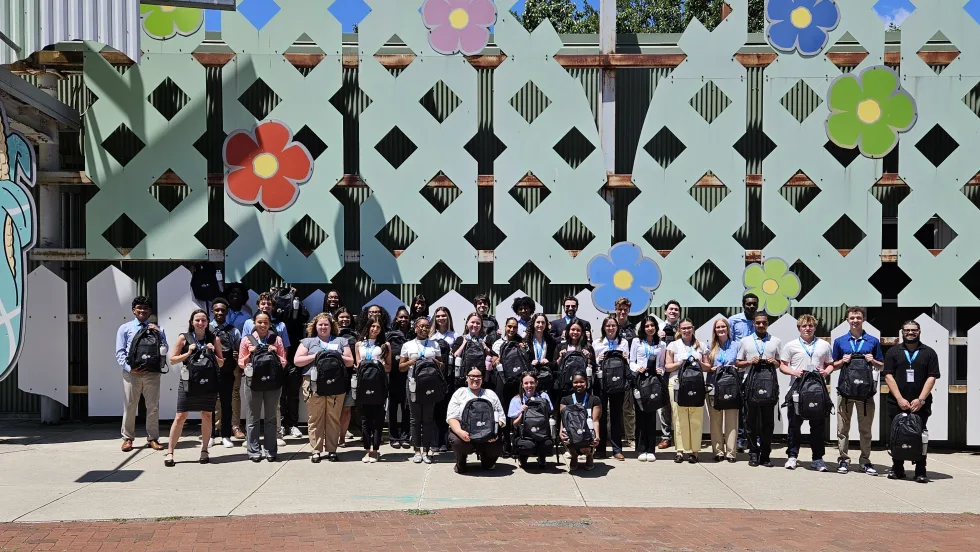
More Than a Summer Job: Building the Next Generation of Transit Talent
The Delaware River Port Authority and PATCO have transformed their internship program into a hands-on professional development experience that introduces students to the breadth of transportation careers — and creates a pipeline for future employees.
Read More →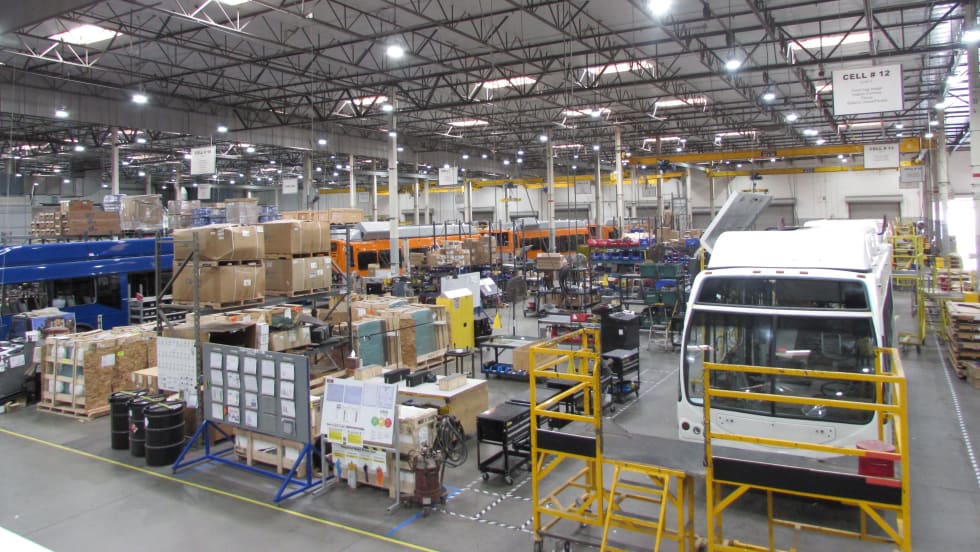
LA Metro Board Awards 220 Battery-Electric Bus Contract to ENC
The contract, which is the largest base award of battery-electric buses by a U.S. transit agency, will be built in Southern California, sustaining good jobs as LA prepares to welcome the world in 2028
Read More →
Public Transit Conference Returning to GFX in 2027, Call for Papers Now Open
The Call for Papers is now open, allowing transit agency professionals and industry experts to help shape the PTC educational program by submitting session ideas for consideration.
Read More →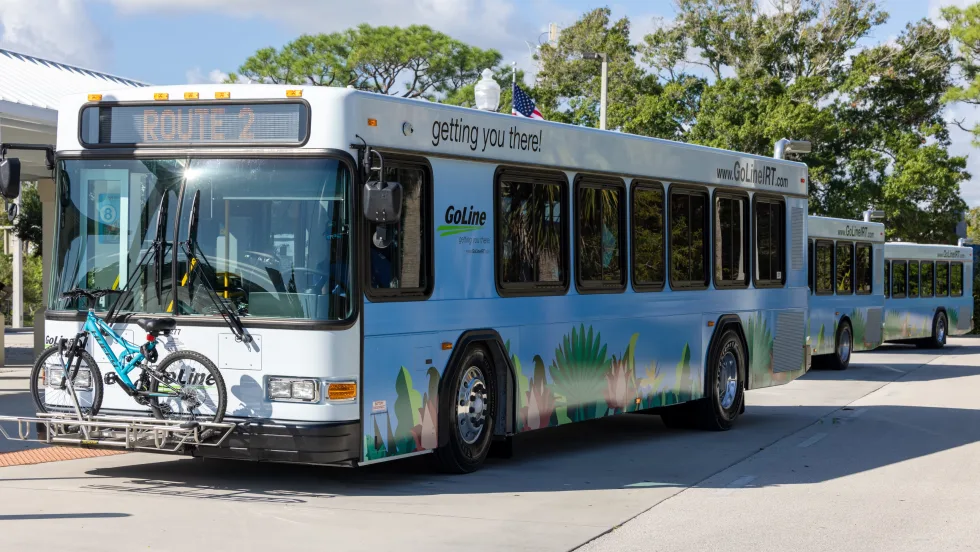
Indian River Transit’s Community-Focused Approach Earns National Recognition
Named APTA’s 2026 Outstanding Public Transportation System in its size category, Florida’s Indian River County transit system continues to grow ridership through fare-free service and a focus on evolving community needs.
Read More →
ENC Lands MATA Contract and More in Biz Briefs
In this edition of Biz Briefs, we spotlight the latest developments shaping the future of mobility.
Read More →
From Surviving to Thriving: Building Stronger Transportation Organizations
Bus Business Consultants founder Brian Dickson shares lessons on leadership, organizational health, and creating options for long-term success in a changing transportation industry.
Read More →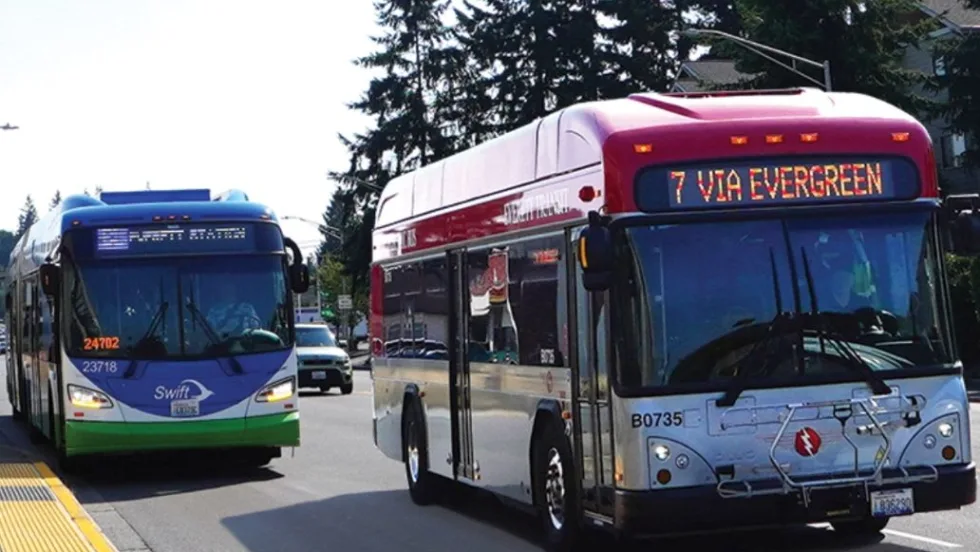
Everett Transit, Community Transit Outline Consolidation Agreement
The proposed agreement calls for a 50% increase in bus service in Everett, a new microtransit zone, continued paratransit service, and the transfer of Everett Transit operations to Community Transit.
Read More →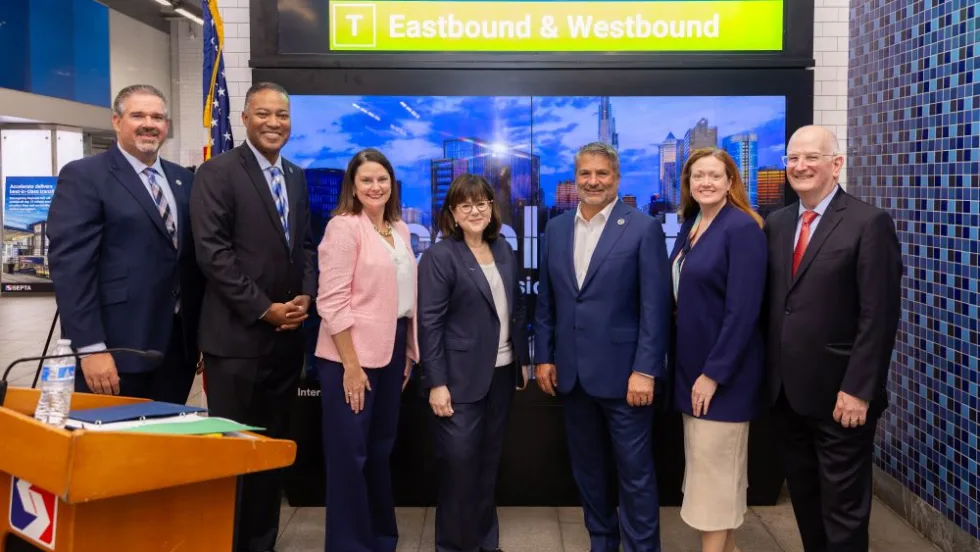
SEPTA Details Accelerate Vision for Transit System
The plan outlines investments in trolley modernization, new Metro and Regional Rail vehicles, accessible stations, and more frequent bus and rail service.
Read More →
Report: Transit Bus Manufacturing Supports 34,100 Jobs, $5.1B in GDP
The “Buses Mean Business” report examines the transit bus manufacturing industry’s economic footprint, supply chain, and rising demand for vehicle replacements.
Read More →