



D.C. Metro unveils ARRA-funded buses, body shop
Nearly $202M in Recovery Act dollars was allocated to the agency, of which $52M was used to purchase the vehicles and construct the new shop. Metro began receiving the new diesel-electric hybrid buses and paratransit vehicles earlier this year.

On Monday, the Washington Metropolitan Area Transit Authority (Metro) unveiled new Metrobuses and MetroAccess vehicles and offered a sneak preview of early construction on a new bus body and paint shop funded by federal American Recovery and Reinvestment Act (ARRA) dollars.
Nearly $202 million in Recovery Act dollars was allocated to Metro, of which $52 million — nearly one quarter — was used to purchase the vehicles and construct the new shop. Metro began receiving the new diesel-electric hybrid buses and paratransit vehicles earlier this year.
The 48 New Flyer diesel-electric hybrid buses, 80 paratransit vehicles and the new facility will help Metro provide safer and more reliable service. More than 30 jobs have been created in the procurement and manufacturing of the new vehicles and it is anticipated that at least another 125 jobs will be created through the construction of the bus facility.
The new Metrobuses, manufactured by New Flyer Industries of America in Crookston, Minn., are operating out of the Northern Bus Garage in Northwest Washington, D.C., serving customers on Metro’s bus corridors along 16th Street and Georgia Avenue in the District of Columbia and along Colesville Road/Columbia Pike in Maryland.
The new MetroAccess vehicles, which cost $3.7 million, will enable Metro to provide safer and more efficient service for people with disabilities who are unable to use Metrobus or Metrorail. The chassis, or frame of the vans, was manufactured by Ford in Ohio and the paratransit conversion was completed by Braun Corp. in Indiana. The $47,187 vans are in use throughout the MetroAccess service area.
In addition to the new MetroAccess vehicles and Metrobuses, Metro is using ARRA funds to construct a modern body and paint shop in Landover, Md. Expected to be completed next September, the facility is a state-the-art, body and paint shop for overall structural maintenance and repair of Metrobuses and nonrevenue equipment.
The new shop will be used to conduct paint and body repair work that is currently being completed at the Bladensburg Bus Garage, which is more than 40 years old. The new Landover facility will allow Metro to paint 300 buses annually, tripling the current number of 100 buses that are painted at Bladensburg.
One 60-foot and four 40-foot paint booths will be climate controlled, which translates into less drying time to get the buses back into service quickly. The paint booths also will result in a finer and more exact paint finish on the vehicles. Separate areas for preparation and painting will enable the paint area to remain sanitized and free of dust, dirt and paint chips, making for improved working conditions. Ventilation systems will provide a more environmentally friendly and safer work area for employees.
Additional vehicle lifts will decrease the time that buses are off the road due to necessary maintenance requirements.
More Bus

LA Metro, City of West Hollywood, and Partners Advance Smarter Bus Lane Enforcement
The award-winning partnership combines AI-powered detection with human oversight to improve bus reliability, accessibility, and enforcement efficiency.
Read More →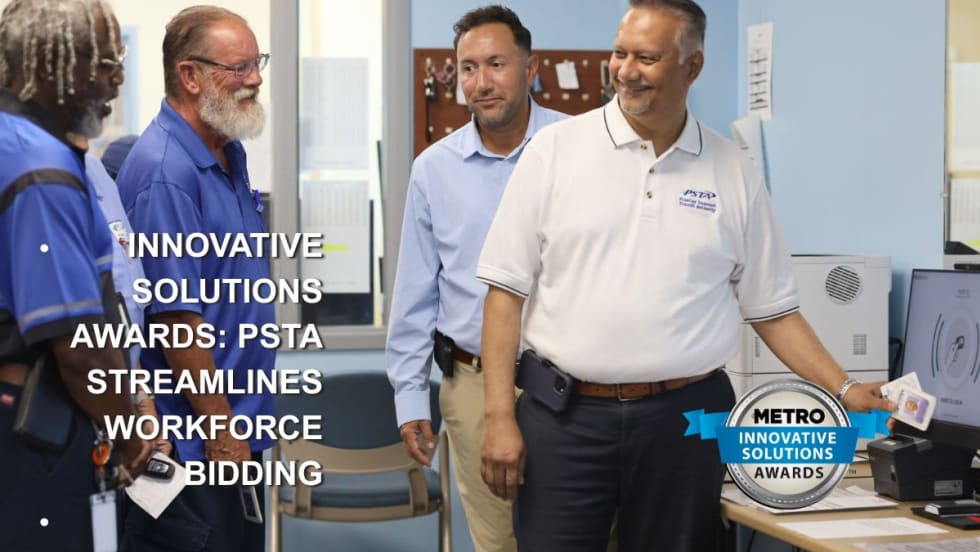
PSTA Modernizes Workforce Management with Digital Bidding System
The award-winning Workforce Transit Modernization project replaced paper bidding with a transparent digital platform, cutting administrative effort while improving access for operators.
Read More →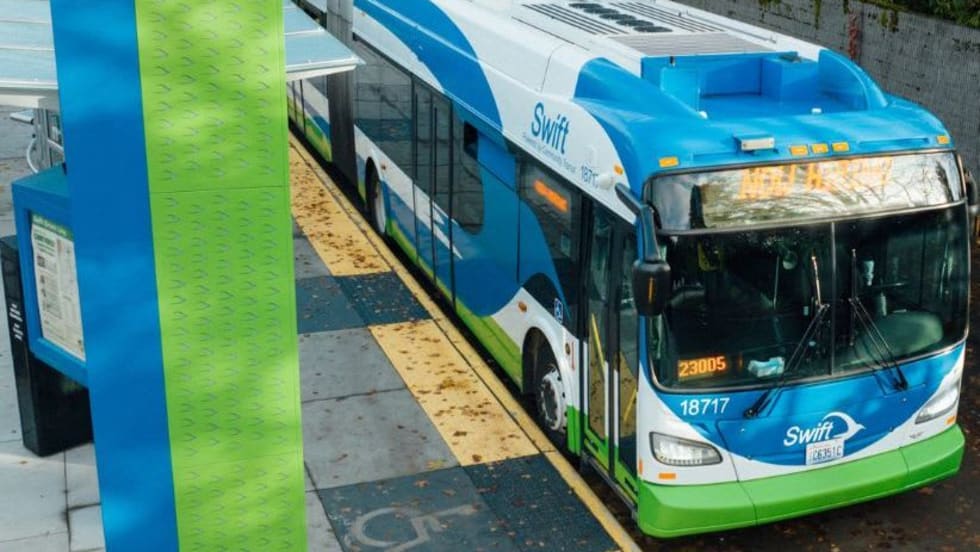
Washington's Community Transit Sets Six-Year Roadmap for Growth, Expansion
Approved TDP targets more bus service, new mobility options, Swift BRT expansion, and a potential Everett Transit annexation.
Read More →
DART Customer Satisfaction Reaches Six-Year High
Overall satisfaction rose to 74.9%, while the agency’s Net Promoter Score reached a record 33.7.
Read More →
How DART's GoPass Is Redefining Regional Mobility
Serving 14 transit agencies, GoPass simplifies multimodal travel by allowing riders to plan, pay for, and manage an entire trip through one app.
Read More →
Biz Briefs: OCTA Taps Clean Energy for Hydrogen Station, Stadler to Supply Via Rail Vehicles, and More
From manufacturers and suppliers to transit agencies and motorcoach operators, these updates offer a snapshot of the projects, partnerships and business moves driving the industry forward.
Read More →
METRO Magazine Announces 2026 Innovative Solutions Awards Winners
Projects Recognized for Advancing Mobility Through Technology, Accessibility, Workforce Innovation, and Operational Excellence
Read More →
Biz Briefs: STV teams with Amtrak, Motorcoach Operators Boost Fleet and Land Contracts, and More
From manufacturers and suppliers to transit agencies and motorcoach operators, these updates offer a snapshot of the projects, partnerships and business moves driving the industry forward.
Read More →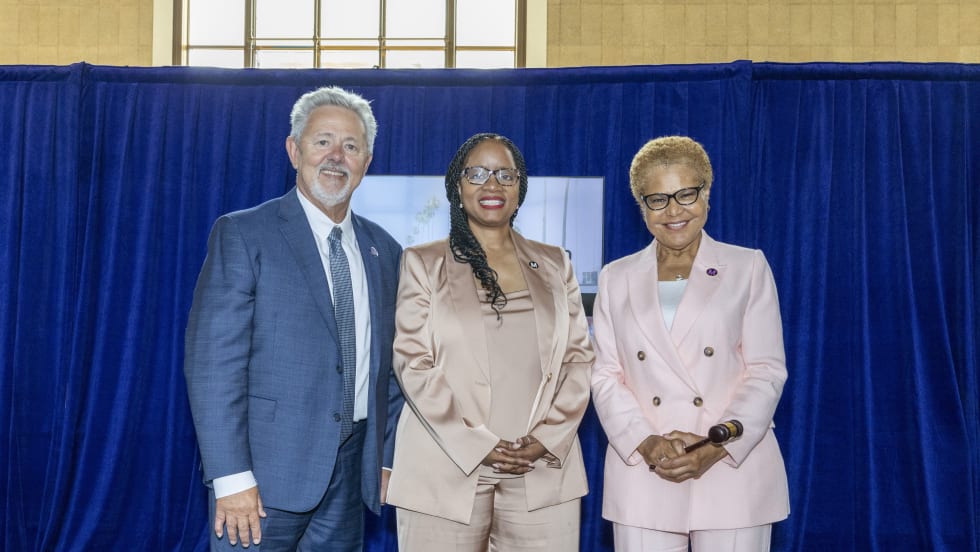
LA Metro Marks Banner Year, Sets Ambitious Goals for New Fiscal Year
Incoming LA Metro Board Chair and Los Angeles Mayor Karen Bass joined outgoing Board Chair Fernando Dutra and LA Metro CEO Stephanie Wiggins to review accomplishments from fiscal year 2026, which included the opening of new rail extensions, advancement of major transit projects, expanded safety programs, and new rider amenities.
Read More →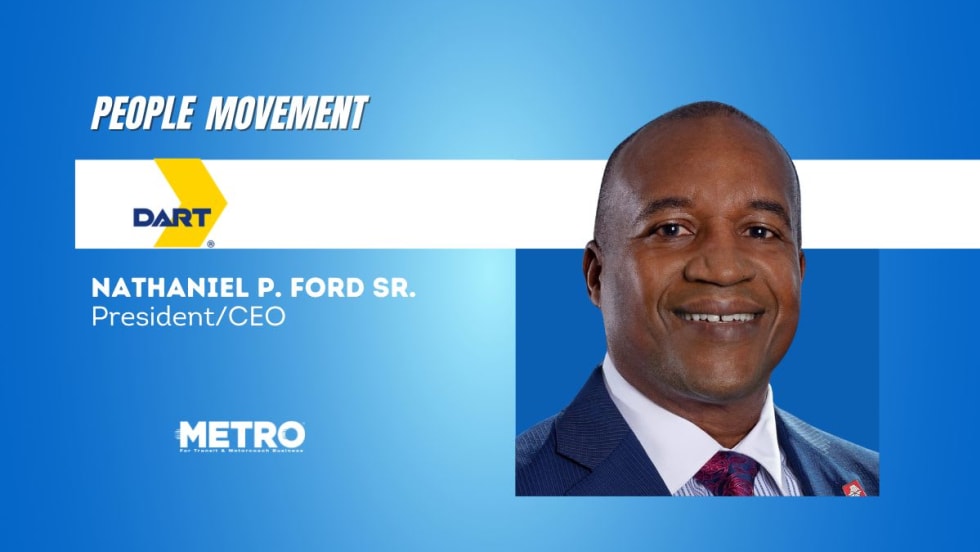
DART Taps Nathaniel P. Ford Sr. as Next President/CEO
Since 2012, Ford has served as the CEO of the Jacksonville Transportation Authority
Read More →