



Danville Demos Demand Response
To better assist regional employees working late night/early morning shifts, Danville Transit in Virginia began a demand-response bus service that is available at all hours.

To better assist regional employees working late night/early morning shifts, Danville Transit in Virginia began a demand-response bus service that is available at all hours. "The big impetus for the service was that shift times for major employers in Danville were changing," said Marc Adelman, Transportation Services Department director. The service is currently running as a demonstration, and a decision to make it permanent will be made in February. A drop in ridership on regular 6 a.m. to 6 p.m. fixed-route service, as well as decreased bus token purchases from social services, led the Virginia Department of Rail and Public Transportation to conduct an extensive survey of area employers. The results showed a broad-based move to 12-hour shifts, Adelman said. Welfare-to-work participants assigned second and third shift duties could no longer access public transit. "A transit system has to accommodate those kind of changes," said Adelman. "Our goal was to initiate service to meet those off peak employment hours." The Reserve a Ride demand-response service was conceived of last summer as a Virginia Department of Rail and Public Transportation demonstration project. The project grant covers 95% of the operating costs for transportation between the hours of 6 p.m. and 1 a.m. and 4 a.m. to 6 a.m. Danville set 50% farebox recovery of direct operating costs as the threshold for expanded service. Fares were set at $1 for rides originating at bus stops and $2 for all other pick-ups. Since it began in August, Reserve a Ride has brought 30 to 40 new riders into the system every week, with the total gain now standing at around 500, Adelman said. As the service became increasingly popular, response times—a major concern for riders on their way to work—suffered. Danville restricted the number of trips to four or five an hour to prevent problems. "What's critical here is dependability, and that means fewer trips per hour," Adelman said. Despite the success of the service, he said it was not meeting its revenue goals in the first three months. Fares were raised by $1 across the board December 1, and since then the 50% farebox recovery goal was reached. Adelman contrasted that experience with the 15% drop in ridership fixed-route service suffered in FY 1994/95 when fares went from 80 cents to $1. He said that the lack of alternative transportation options in the hours that demand-response operates accounts for passengers' willingness to absorb the added costs. Another mechanism for controlling costs was a firm no-show policy, which bars customers from Reserve a Ride for two weeks if they miss the bus twice. When service began, no-shows accounted for more than 20% of all reservations. That number was reduced to less than 10% once the policy was in place. Adelman said that the system's biggest mistake was not communicating the no-show policy more effectively in the first 30 days. Reservations for same day service are taken until 10 a.m. and entered into a Microsoft Access application designed by the city. Approximate pick up times are assigned based on previous traffic patterns, but Adelman said that the actual scheduling of trips is very labor intensive. Should the service become permanent, the city will explore automated scheduling software. Shifting Reserve a Ride to a regular feature of the transit system will force the elimination or adjustment of unproductive fixed route services, Adelman said. Demand-response will also be trimmed at that point, restricting service to the 12 most efficient hours. The city implemented the service while adding only one hour a day of overtime costs.
More Management
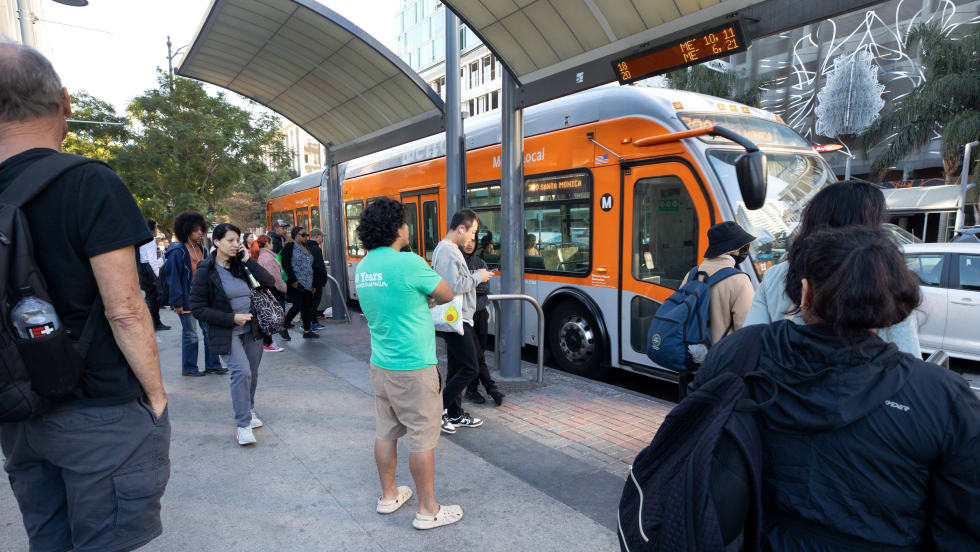
LA Metro Ridership Continues Growth as Rail Gains Accelerate
New rail connections and major events help drive continued ridership gains, with Metro recording its eighth consecutive month of year-over-year rail growth.
Read More →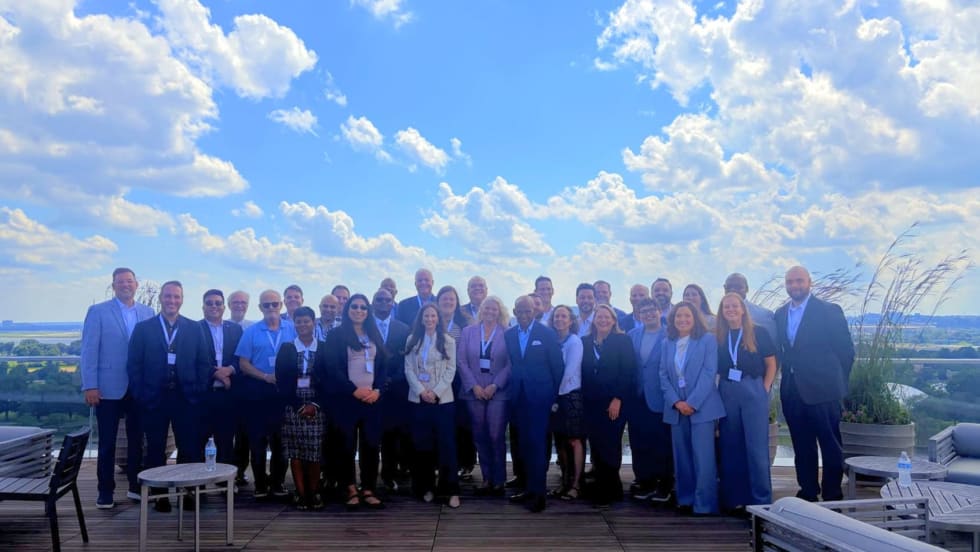
TransDASH Summit Focuses on Measuring What Matters in Transit
Transit agencies unveil a national performance platform designed to benchmark customer experience, safety, community value, and other outcomes.
Read More →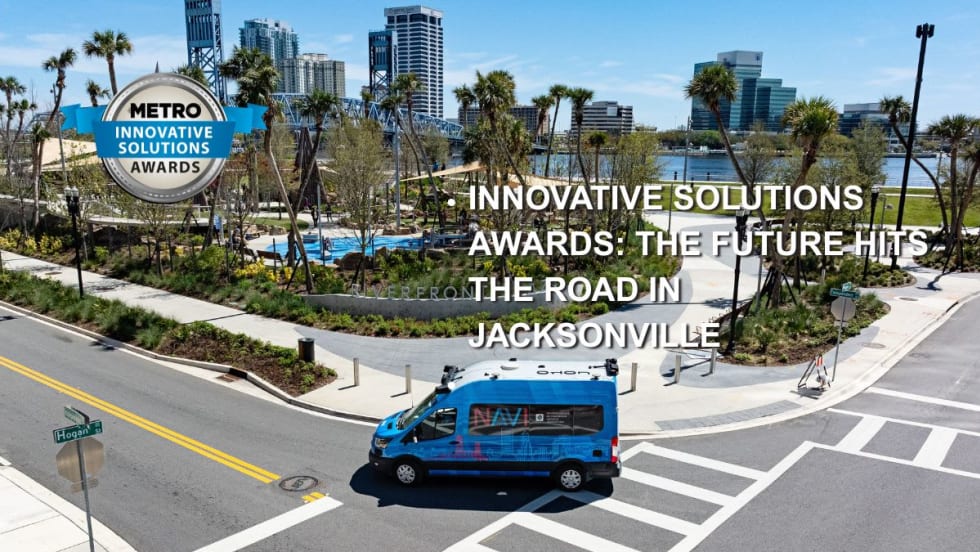
Jacksonville’s NAVI Project Charts a New Course for Autonomous Public Transportation
Through its NAVI program, JTA is showing how autonomous vehicles, intelligent infrastructure, and coordinated operations can work together to deliver everyday public transportation.
Read More →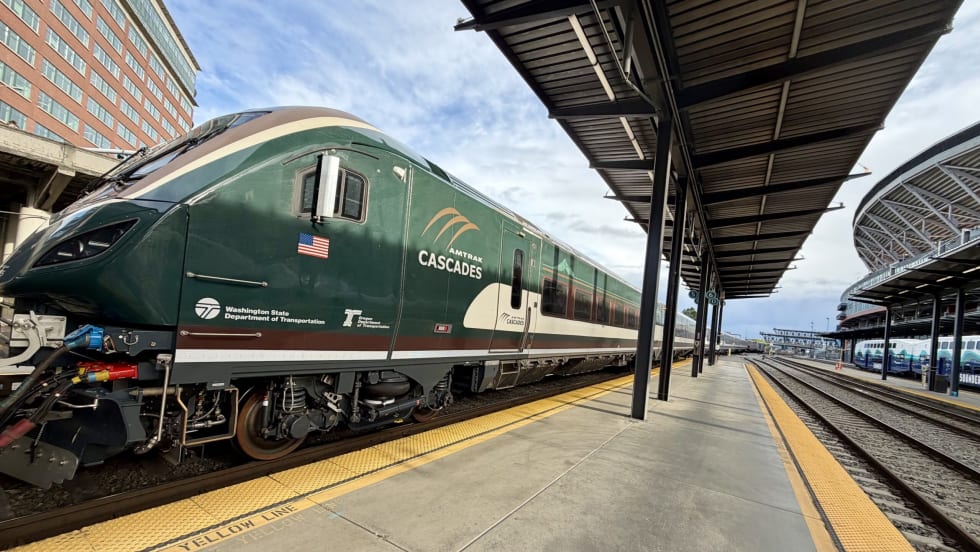
FRA Announces $5.3B in Rail Investments, Including $2B for Amtrak
Funding will support grade-crossing improvements, infrastructure upgrades, and new Amtrak equipment in 23 states.
Read More →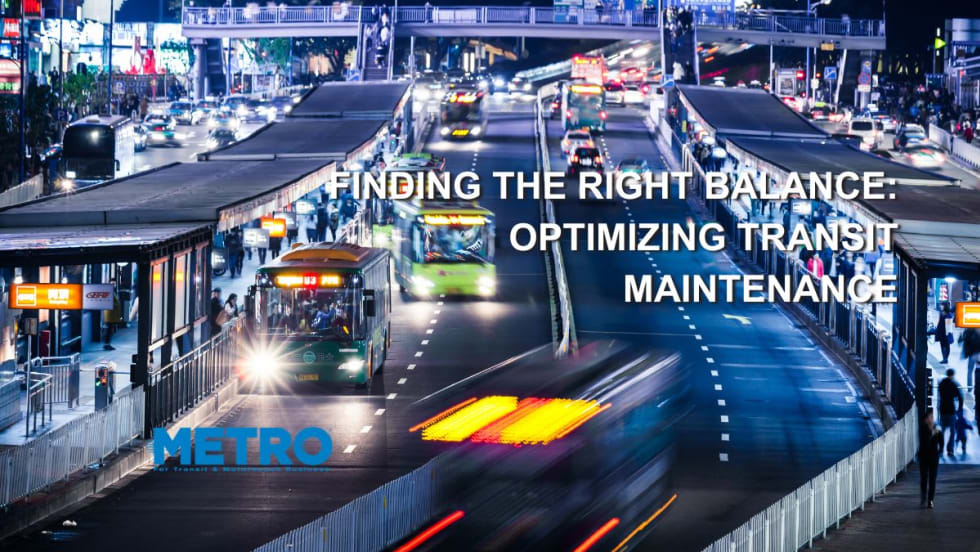
Finding the ‘Happy Medium’: Optimizing Maintenance Without Sacrificing Reliability
The key to maintenance optimization isn’t doing less work—it’s doing the right work at the right time on the right assets.
Read More →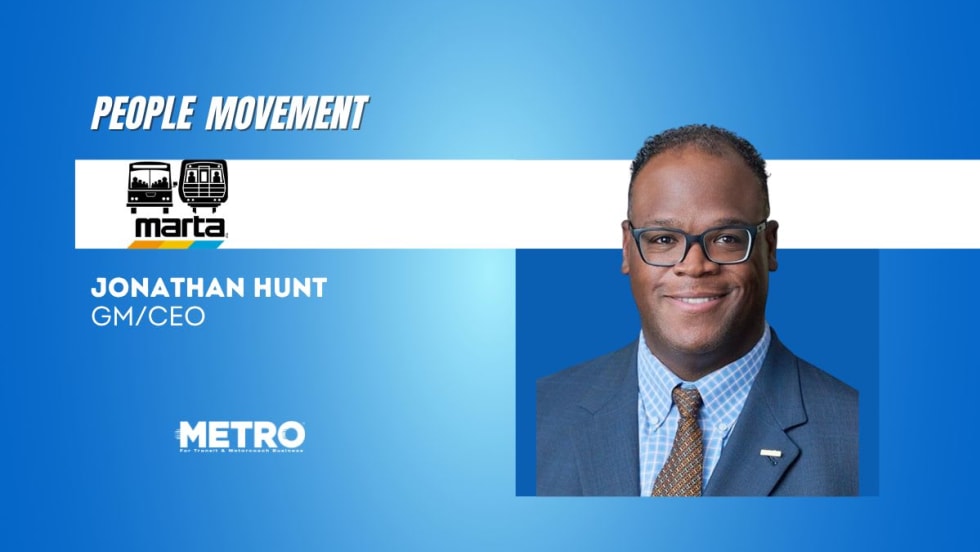
People Movement: MARTA Drops Interim Tag on GM/CEO Hunt and More
In this edition, METRO covers recent appointments and announcements at the FMCSA, HDR, SilverRide, and more, showcasing the individuals helping to shape the future of transportation.
Read More →
VIA Metropolitan Transit Reports 2 Million More Passenger Trips as Better Bus Plan Gains Momentum
San Antonio's transit agency said accelerated service improvements are driving ridership growth, offering another example of how increased frequency and workforce investments can translate into stronger transit performance.
Read More →
ABAF Study Reveals Growing Insurance Crisis for Motorcoach Operators
Preliminary findings show 98% of operators faced premium increases over the past five years, while shrinking insurer participation is putting added pressure on businesses and customers.
Read More →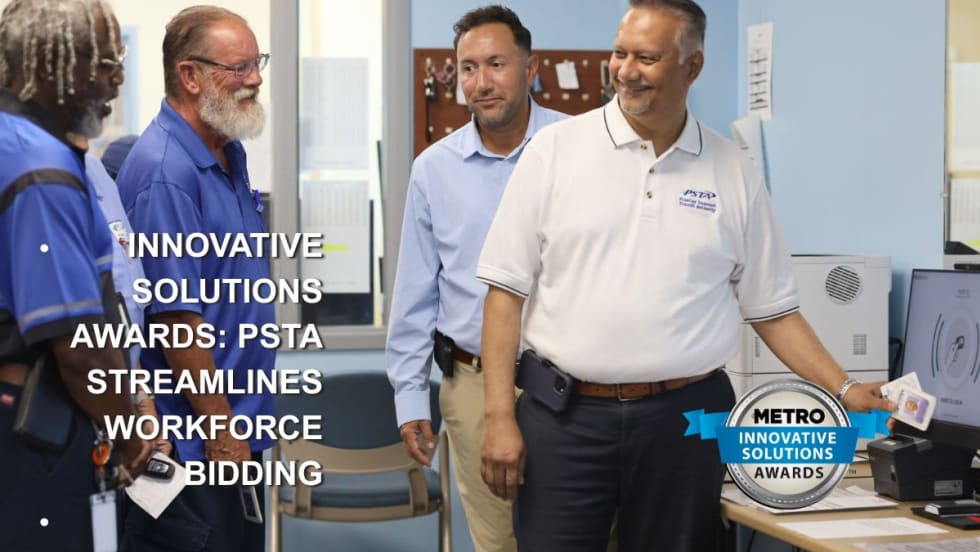
PSTA Modernizes Workforce Management with Digital Bidding System
The award-winning Workforce Transit Modernization project replaced paper bidding with a transparent digital platform, cutting administrative effort while improving access for operators.
Read More →
Chicago to Host Public Transportation's Biggest Gathering at APTA TRANSform & EXPO 2026
North America’s largest public transportation gathering returns to Chicago, connecting transit decision-makers with the technologies, ideas, and partnerships driving the industry forward.
Read More →