




RELATED: Takeaways from Denver's driverless shuttle deployment
Denver's Uber Transit app showing strong initial performance, growth
Riders are using the Uber app to plan and book their transportation from home, to work, to appointments, and to the airport.
July 10, 2019
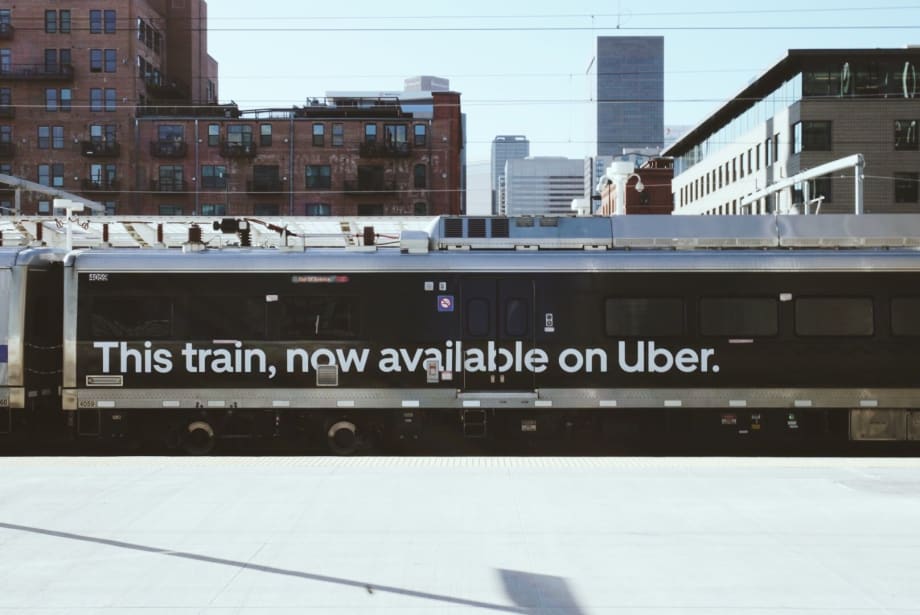
In addition to train cars wrapped with Uber Transit imagery, riders will also see electronic information displays at RTD stations, materials aboard the transit agency’s entire fleet of vehicles, social media, emails, and notifications within the Uber app.
Denver RTD
3 min to read
In addition to train cars wrapped with Uber Transit imagery, riders will also see electronic information displays at RTD stations, materials aboard the transit agency’s entire fleet of vehicles, social media, emails, and notifications within the Uber app.
Denver RTD
With Uber Transit ticketing now available to all riders in Denver, Uber is revealing that more than 1,200 Regional Transportation District (RTD) tickets have been sold through its app, with growth averaging 42% each week during the rollout period. Uber Transit ticketing was launched to a small cohort of users in May, and became available to 100% of Uber users in Denver on June 25.
The findings were revealed at an event at Union Station in Denver, with comments provided by RTD CEO/GM Dave Genova, Masabi Chief Product Officer Jonathan Donovan, and Uber Head of Transit David Reich. Uber Transit consists of two key components: journey planning and in-app ticketing.
Riders are using the Uber app to plan and book their transportation from home, to work, to appointments, and to the airport. While nearly two-thirds of tickets sold were for local rides, regional rides — including trips to and from Denver International Airport — were the second-most-popular option for in-app ticket purchases, at 23%.
Since Uber Transit journey planning launched in January, Uber trips in Denver that start or end at a transit station have grown 11.6%. These are commonly called first- and last-mile trips, referring to the portions of a journey that individuals complete on their own, with transit at the core of the trip. Denver riders were the first worldwide to use Uber to plan their transit trips with real-time information and end-to-end directions.
The collaboration involving RTD, Uber and Masabi is the first to offer real-time transit information and ticketing within the Uber app. Following a staggered rollout over several weeks, all Uber riders in the Denver metro region are now able to buy RTD tickets through the Uber app.
Other new data include:
The number of repeat ticket purchases using Uber Transit has increased every week since ticketing launched. As of the week of June 24, approximately 25% of tickets sold were purchased by users who had previously purchased tickets on the app.
Tickets sold on Uber Transit have increased each week, reaching over 200 weekly tickets as of the last week of June.
Masabi also launched mobile ticketing services for RTD in the fall of 2017 with the popular RTD Mobile Tickets app. The Justride SDK (software development kit) allows Uber to integrate mobile ticketing into their applications, giving users the ability to request fare types, make payments, and receive visual and barcode tickets through a secure ticket wallet.
Now that availability has reached 100% of Denver, Uber and RTD are ramping up marketing efforts throughout the region to increase awareness of Uber Transit. In addition to train cars wrapped with Uber Transit imagery, riders will also see electronic information displays at RTD stations, materials aboard the transit agency’s entire fleet of vehicles, social media, emails, and notifications within the Uber app.
More Technology
Roman Cornell on ABC Companies’ Evolution and the Future of Passenger Transportation
The company’s CEO discusses carrying forward a third-generation family legacy, ABC’s continued evolution in passenger transportation, support for increasingly complex fleets, and how technology and continued investment could help operators improve uptime.
Read More →
ETA CEO John Maglio on Transit Technology, Innovation, and Building Agency Trust
ETA founder and CEO John Maglio explores the evolution of transit technology, the importance of reliable systems, and how stronger partnerships can help agencies improve operations and the passenger experience.
Read More →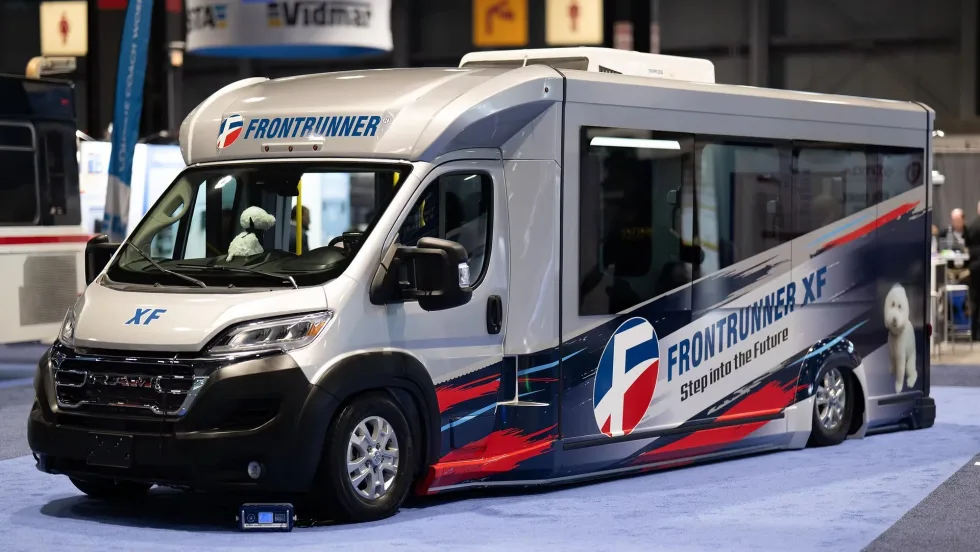
Frontrunner Bus Group Introduces XF Low-Floor Bus with Enhanced Accessibility
The new mid-sized bus features a full flat-floor design, eight-inch curbside step-in height, and zero-entry rear ramp to improve passenger access and operational flexibility.
Read More →
Building a Flexible Path to Transit Electrification with BAE's John Hroncich
John Hroncich discusses BAE Systems’ modular and scalable approach, lessons learned from decades of real-world operations, and how agencies can identify electrification strategies that fit their fleets.
Read More →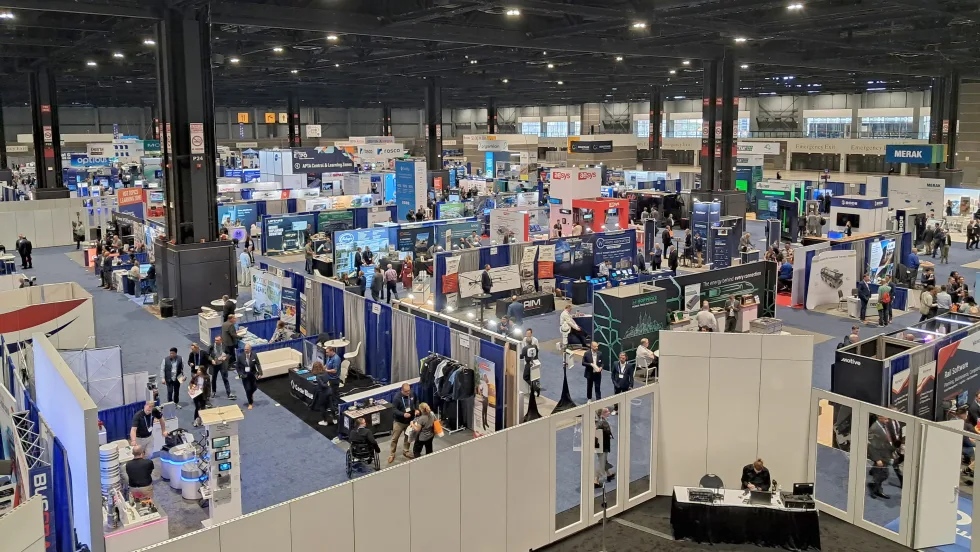
Scenes from APTA TRANSform & EXPO 2026
Transit leaders, manufacturers, and industry professionals gathered in Chicago to explore new technologies, share ideas, and discuss the future of public transportation.
Read More →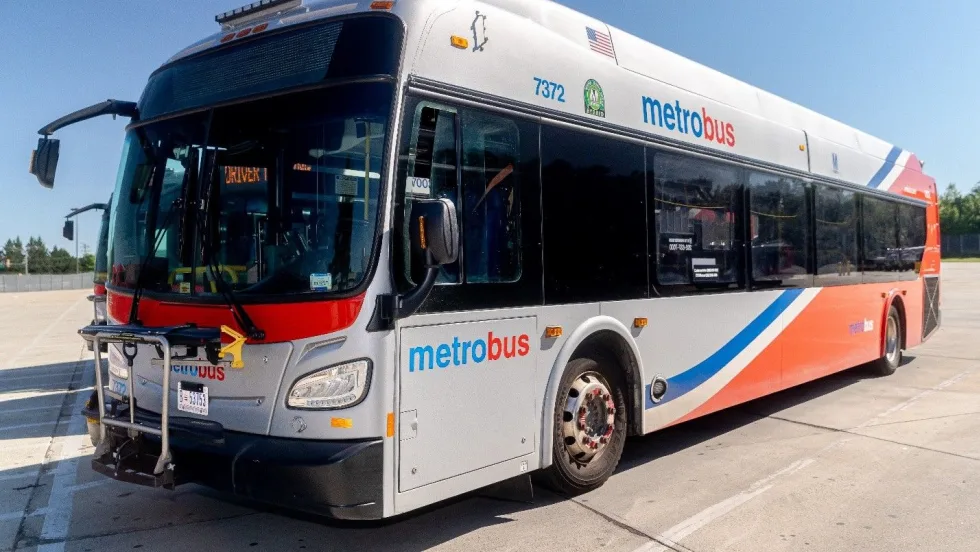
Biz Briefs: New Flyer Secures Additional 100-Bus Order from WMATA and More
In METRO's latest installment, we also take a look at recent news from Masabi, MCI, Samsara, and more partnerships making headlines across the transportation sector.
Read More →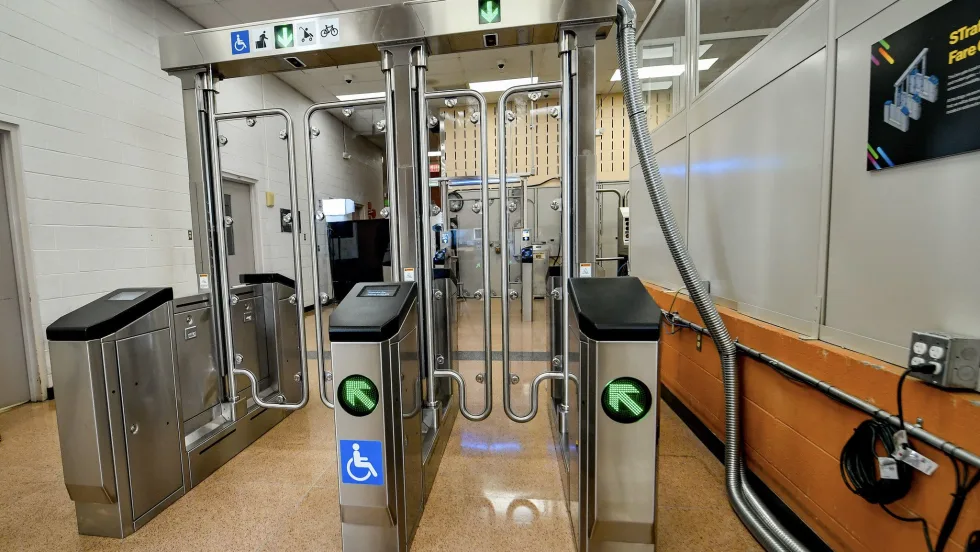
MTA Fare Gate Pilot Reduces Fare Evasion by 35%
Following a 20-station pilot, the agency plans to install new fare gates at 20 additional subway stations as part of a $1.1 billion modernization initiative.
Read More →
California Law Extends AC Transit’s Bus Lane Camera Enforcement
The new law allows AC Transit to continue using forward-facing bus cameras to enforce parking violations in bus-only lanes and at bus stops.
Read More →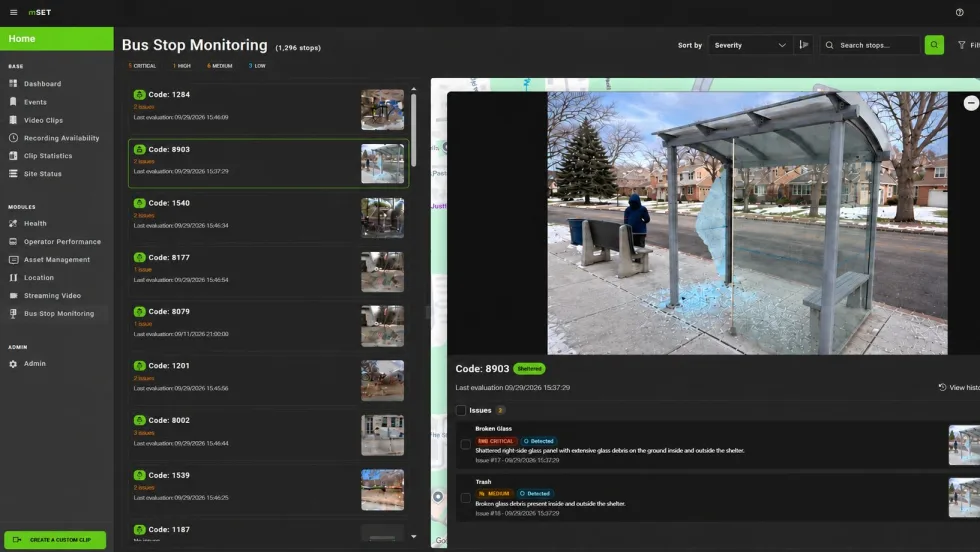
Biz Briefs: Luminator Launches AI Technology to Monitor Bus Stop Conditions and More
In METRO's latest installment, we also take a look at recent news from Masabi, Troman Industries, ioki, CCW, and more partnerships making headlines across the transportation sector.
Read More →
Public Transit Conference Returning to GFX in 2027, Call for Papers Now Open
The Call for Papers is now open, allowing transit agency professionals and industry experts to help shape the PTC educational program by submitting session ideas for consideration.
Read More →