



Edmonton Transit Unveils New Proterra Buses, Charging Infrastructure
ETS, Proterra, and ABB created a first-of-its-kind installation in North America using RFID technology, Wi-Fi, and two-step authentication that ensures each bus connects to its respective overhead charger.
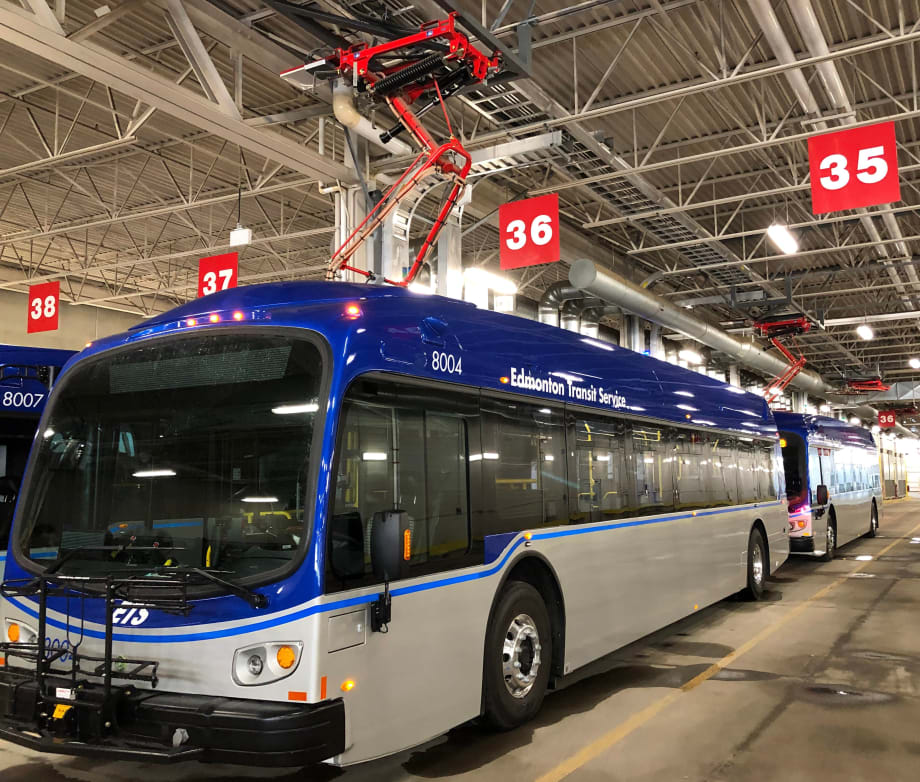
With this deployment, ETS also becomes the first to implement in-depot overhead charging on the continent.
Proterra
Edmonton Transit Service (ETS) and Proterra unveiled its first 21 Proterra electric buses and brand new, purpose-built electric bus garages. ETS has 19 more Proterra buses on the way this year to make up a 40-bus fleet, one of the largest purchases of electric buses in Canadian history.
With this deployment, ETS also becomes the first to implement in-depot overhead charging on the continent. ETS will begin putting the electric buses into service in early August.
“From the start, we’ve been very intentional about how we’ve designed our electric bus program,” said Ryan Birch, director, transit operations, ETS. “We’ve taken a unique approach to charging our buses inside transit facilities. This provides important redundancy that makes our electric bus fleet more reliable for transit customers, and will help us continue to modernize our transit system.”
Edmonton selected the 40-foot Proterra Catalyst E2 max vehicle with 660 kWh of onboard energy and the DuoPower™ drivetrain. The E2 max bus has six Proterra battery packs on board, enabling these vehicles to get approximately 218 miles of range on ETS routes. This vehicle model broke the world record for the longest distance traveled by any electric vehicle on a single charge, and ETS is the first customer in North America to put it into service.
Featuring two electric motors, the DuoPower drivetrain delivers 510 horsepower, accelerating a Catalyst bus from zero to 20 mph in under six seconds. In addition, the DuoPower drivetrain can propel a bus up a 25% grade, making it an ideal option for routes with steep hills.
To charge its new buses, Edmonton also unveiled the new Kathleen Andrews Garage, named after Edmonton’s first woman transit operator, who worked for the City for 23 years. ETS collaborated with the Proterra Energy™ team to install 26 ABB 150 kW depot chargers connected to inverted pantographs and seven 60 kW Proterra plug-in chargers in the maintenance area, all of which are interoperable and standardized. ETS bus operators are able to drive the buses into assigned parking spots and connect to the respective overhead chargers with the flip of a switch, and begin charging immediately or wait until a designated time when fleet management software will initiate charging. ETS, Proterra, and ABB created a first-of-its-kind installation in North America using RFID technology, Wi-Fi, and two-step authentication that ensures each bus connects to its respective overhead charger.
ETS uses the Proterra APEX™ Connected Vehicle Intelligence System to monitor and manage its fleet of electric buses and charging systems. By using the APEX system, ETS will be able to easily monitor the status of its vehicles and gather information such as state of charge, charger status, bus efficiency, distance traveled, and more.
More Zero Emissions

Building a Flexible Path to Transit Electrification with BAE's John Hroncich
John Hroncich discusses BAE Systems’ modular and scalable approach, lessons learned from decades of real-world operations, and how agencies can identify electrification strategies that fit their fleets.
Read More →
LA Metro Board Awards 220 Battery-Electric Bus Contract to ENC
The contract, which is the largest base award of battery-electric buses by a U.S. transit agency, will be built in Southern California, sustaining good jobs as LA prepares to welcome the world in 2028
Read More →
Public Transit Conference Returning to GFX in 2027, Call for Papers Now Open
The Call for Papers is now open, allowing transit agency professionals and industry experts to help shape the PTC educational program by submitting session ideas for consideration.
Read More →
Report: Transit Bus Manufacturing Supports 34,100 Jobs, $5.1B in GDP
The “Buses Mean Business” report examines the transit bus manufacturing industry’s economic footprint, supply chain, and rising demand for vehicle replacements.
Read More →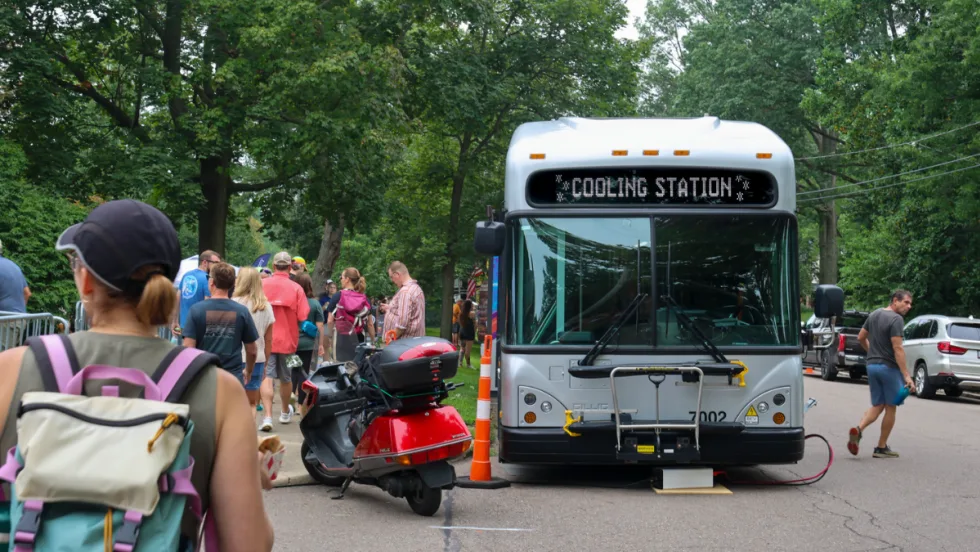
Ohio’s METRO RTA Turns Electric Buses into Mobile Power Sources at PorchROKR
See how three Gillig battery-electric buses powered festival stages while the agency’s new Park & Ride service carried approximately 1,000 attendees, demonstrating another potential use for transit agencies’ electric fleets.
Read More →
CALSTART and Forth Combine to Form Catalyst Mobility
The new name represents a renewed vision for the nonprofit focused on advancing clean, equitable, and affordable transportation solutions that move people and goods.
Read More →
Building a Flexible Path to Transit Electrification
John Hroncich discusses BAE Systems’ modular and scalable approach, lessons learned from decades of real-world operations, and how agencies can identify electrification strategies that fit their fleets.
Read More →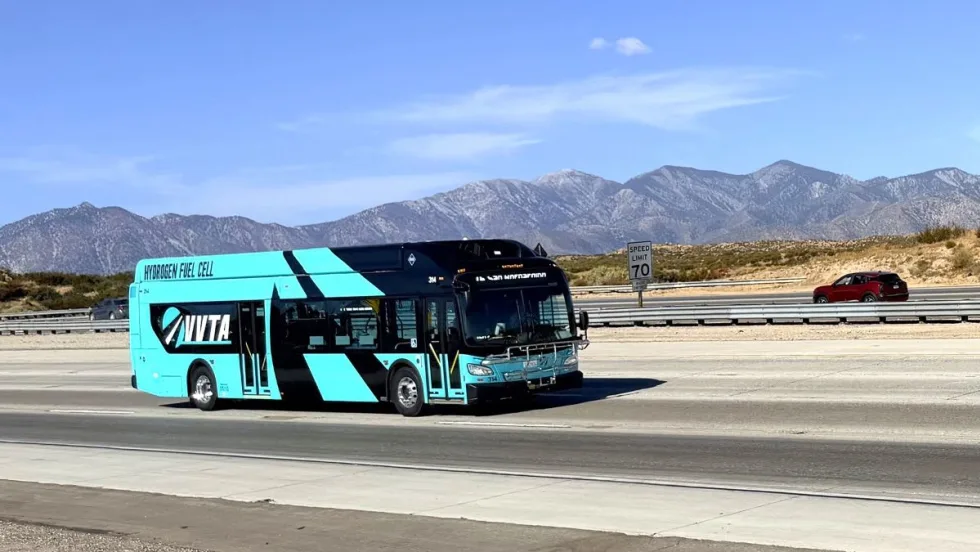
California's VVTA Begins Phased Rollout of Hydrogen Fuel Cell Buses
The agency is introducing 13 zero-emission buses into revenue service while evaluating performance across its urban, rural, and long-distance routes.
Read More →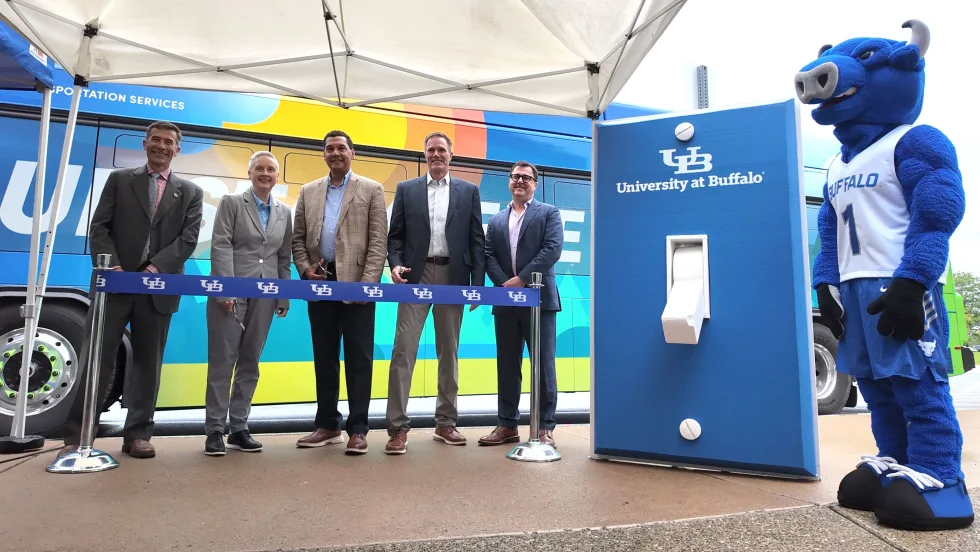
Inside Look: University at Buffalo Puts First 8 Electric Buses Into Stampede Service
UB, transportation solutions provider WeDriveU, and fleet electrification specialist Zenobē marked the deployment in the presence of students, university administrators, and local officials.
Read More →
Biz Briefs: OCTA Taps Clean Energy for Hydrogen Station, Stadler to Supply Via Rail Vehicles, and More
From manufacturers and suppliers to transit agencies and motorcoach operators, these updates offer a snapshot of the projects, partnerships and business moves driving the industry forward.
Read More →