



EPA: Engine makers to meet 2007 clean-diesel regs
Once fully implemented, the program will reduce 2.6 million tons of smog-causing nitrogen oxide emissions each year.

Engine manufacturers are on target to introduce diesel engines that will meet tough emissions standards in 2007, according to a U.S. Environmental Protection Agency (EPA) report. The EPA met with nearly 30 companies to compile its review of the industry's progress to implement clean-diesel technologies by 2007. Once the 2007 program is fully implemented, 2.6 million tons of smog-causing nitrogen oxide (NOx) emissions will be reduced each year, according to the EPA. The review shows that engine manufacturers will be able to introduce engines using filters that reduce harmful particulate matter emissions by more than 90%. Using ultra-low sulfur diesel fuel, the new engines will reduce NOx emissions by 50% and will substantially contribute to air quality improvement across the country. "EPA's clean-diesel standards are an important reason Americans can expect air quality to continue to improve in the years ahead," said EPA Assistant Administrator Jeff Holmstead.
More Management

COTA Launches First Customer Experience Action Plan to Improve Transit Service
The new plan outlines improvements to service reliability, accessibility, communication, and the overall rider experience across Central Ohio's transit system.
Read More →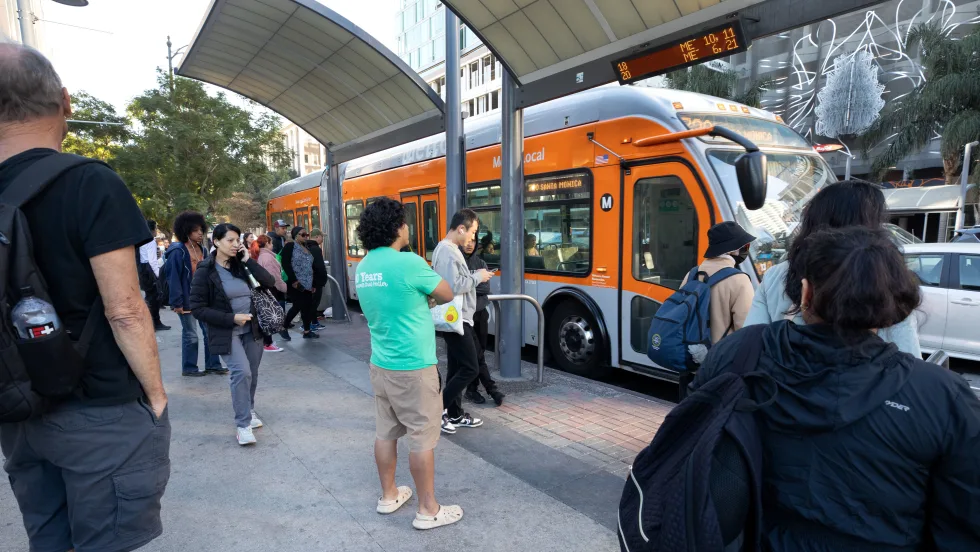
LA Metro September Ridership Climbs 3.9%, Led by Rail Growth
The agency recorded more than 27.2 million boardings, with rail ridership increasing 12.4% year over year and the D Line posting the largest gains.
Read More →
Utilimarc Launches SmartReplace to Optimize Fleet Replacement Decisions
AI-powered SmartReplace helps fleets prioritize vehicle replacements, model budget scenarios, and build more defensible long-term strategies.
Read More →
APTA Honors 2026 Award Winners, Hall of Fame Inductees at TRANSform & EXPO
Innovations in autonomous and zero-emission transportation, standout transit systems, and industry leadership took center stage among this year's honorees.
Read More →
7 Ways to Build a Better Transit Internship Program
Lessons from DRPA/PATCO’s approach to creating a meaningful internship experience—and developing the next generation of transportation professionals.
Read More →
Scenes from APTA TRANSform & EXPO 2026
Transit leaders, manufacturers, and industry professionals gathered in Chicago to explore new technologies, share ideas, and discuss the future of public transportation.
Read More →
Building Stronger Leaders, More Resilient Transit Teams
Dr. Carol Parker Walsh discusses leadership development, employee retention, workplace culture, and preparing transit’s workforce for AI and automation.
Read More →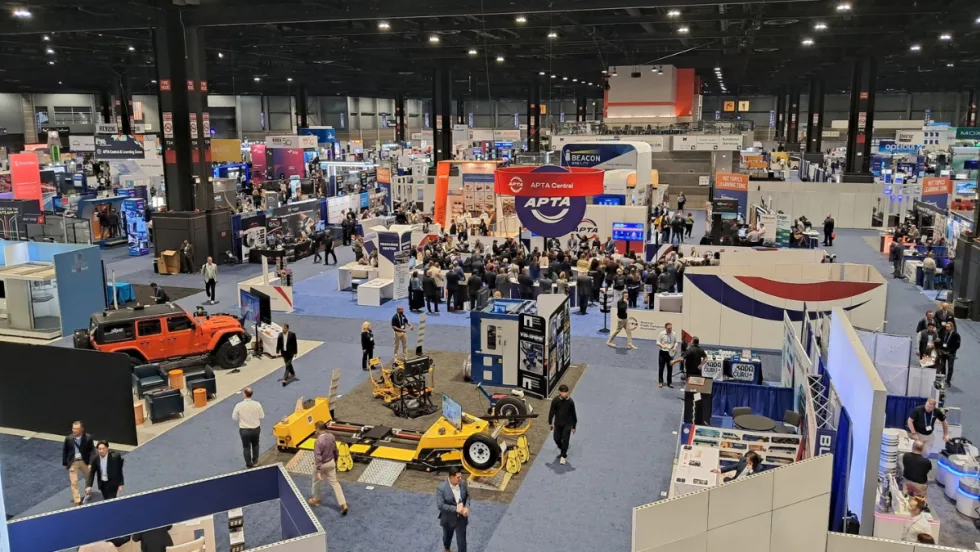
APTA 2026 TRANSform & EXPO Kicks Off in Chicago
After 45 years, APTA returns to Chicago with a focus on next-generation fleets, AI, connected transit networks, and the funding strategies shaping public transportation’s future.
Read More →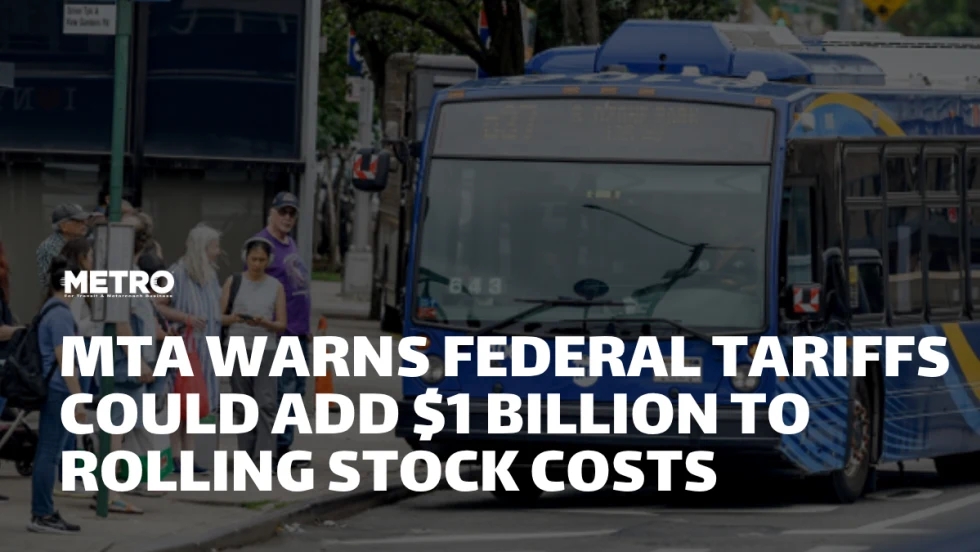
New York MTA Warns Federal Tariffs Could Add $1 Billion to Rolling Stock Costs
The agency said tariffs on specialized imported components could reduce the purchasing power of its $23 billion investment in new subway cars, railcars, and buses.
Read More →
From the Show Floor: What Happened at APTA TRANSform & EXPO 2026
See the latest product launches, partnerships, technology updates, and transit industry announcements from APTA TRANSform & EXPO in Chicago.
Read More →