



ETA adds Intelligent Transit System to Grand Valley
The new ITS provides Grand Valley with ETA's real-time arrival predictions, fare collection system integration, automatic on-board announcements, and the tools to track and chart system improvements over time.


ETA Transit Systems announced the implementation of its SPOT Intelligent Transit System (ITS) on the 25-vehicle Grand Valley Transit (GVT) bus system in Mesa County, Colo.
GVT provides over 830,000 passenger trips annually, connecting the communities of Palisade, Clifton, Orchard Mesa, Fruita, and Grand Junction on the western slope of Colorado.
This new ITS provides GVT with ETA's real-time arrival predictions, fare collection system integration, automatic on-board announcements, and the tools to track and chart system improvements over time. SPOT reduces inbound calls regarding schedules and routes. SPOT does this through its integration with public-facing websites, smartphone apps, and rider alerts. Its secure, open-architecture platform ensures consistent real-time, integration with existing systems, and provides transit agencies the data collection and reporting tools required to grow operations.
"The flexibility of our SPOT solution is the key component in adapting to the changing demands and stretched budgets of the transit industry," states ETA CEO Nicole Castonguay.
More Bus

Finding the ‘Happy Medium’: Optimizing Maintenance Without Sacrificing Reliability
The key to maintenance optimization isn’t doing less work—it’s doing the right work at the right time on the right assets.
Read More →
LA Metro, City of West Hollywood, and Partners Advance Smarter Bus Lane Enforcement
The award-winning partnership combines AI-powered detection with human oversight to improve bus reliability, accessibility, and enforcement efficiency.
Read More →
PSTA Modernizes Workforce Management with Digital Bidding System
The award-winning Workforce Transit Modernization project replaced paper bidding with a transparent digital platform, cutting administrative effort while improving access for operators.
Read More →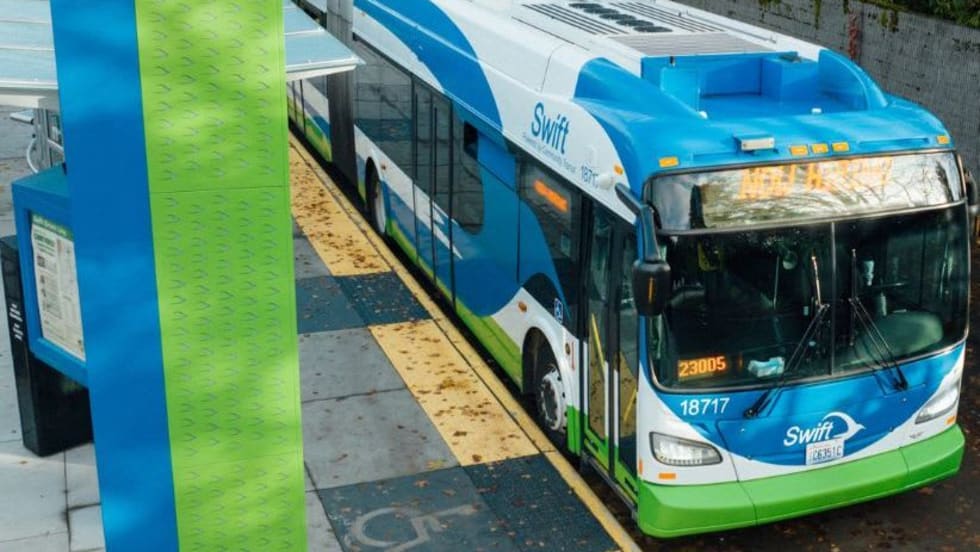
Washington's Community Transit Sets Six-Year Roadmap for Growth, Expansion
Approved TDP targets more bus service, new mobility options, Swift BRT expansion, and a potential Everett Transit annexation.
Read More →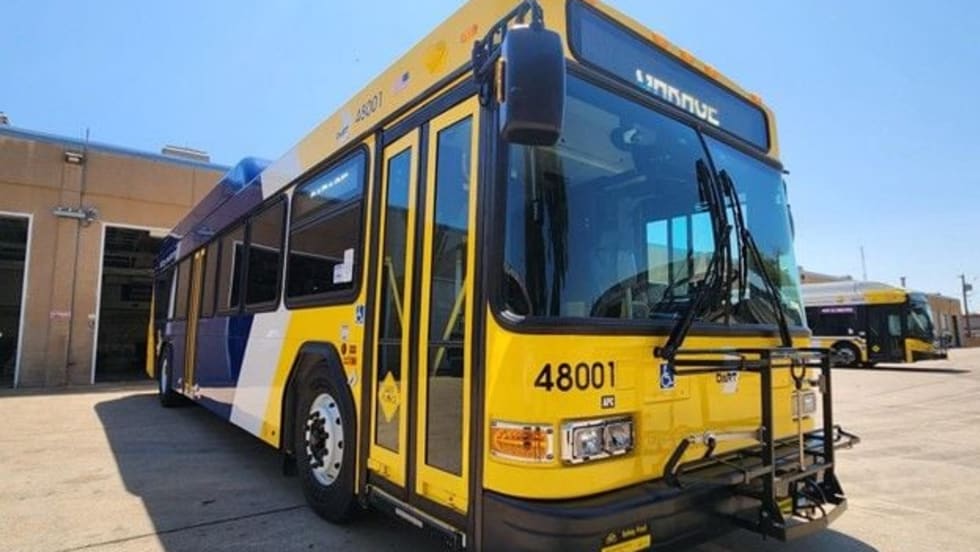
DART Customer Satisfaction Reaches Six-Year High
Overall satisfaction rose to 74.9%, while the agency’s Net Promoter Score reached a record 33.7.
Read More →
How DART's GoPass Is Redefining Regional Mobility
Serving 14 transit agencies, GoPass simplifies multimodal travel by allowing riders to plan, pay for, and manage an entire trip through one app.
Read More →
Biz Briefs: OCTA Taps Clean Energy for Hydrogen Station, Stadler to Supply Via Rail Vehicles, and More
From manufacturers and suppliers to transit agencies and motorcoach operators, these updates offer a snapshot of the projects, partnerships and business moves driving the industry forward.
Read More →
METRO Magazine Announces 2026 Innovative Solutions Awards Winners
Projects Recognized for Advancing Mobility Through Technology, Accessibility, Workforce Innovation, and Operational Excellence
Read More →
Biz Briefs: STV teams with Amtrak, Motorcoach Operators Boost Fleet and Land Contracts, and More
From manufacturers and suppliers to transit agencies and motorcoach operators, these updates offer a snapshot of the projects, partnerships and business moves driving the industry forward.
Read More →
LA Metro Marks Banner Year, Sets Ambitious Goals for New Fiscal Year
Incoming LA Metro Board Chair and Los Angeles Mayor Karen Bass joined outgoing Board Chair Fernando Dutra and LA Metro CEO Stephanie Wiggins to review accomplishments from fiscal year 2026, which included the opening of new rail extensions, advancement of major transit projects, expanded safety programs, and new rider amenities.
Read More →