



Fewer People Using Buses, Trains in England, Says Royal Automobile Club
Only one in four people would use their cars less if public transport was better, says a study released by the Royal Automobile Club of the United Kingdom.

Only one in four people would use their cars less if public transport was better, says a study released by the Royal Automobile Club of the United Kingdom. The new study contradicts several reports from the British Government’s Department of Environment, Transport and the Regions showing urban and intercity bus and rail transport booming. RAC's Report on Motoring 2000 found that the average commuter journey takes three times longer using the bus or train and costs about $300 less per year. "Drivers are keenly aware of the significant economic benefits in time and cost savings that they achieve by using their cars," RAC Managing Director Graeme Potts told London's Daily Mail. "Car use is growing and motorists are still reluctant to use public transport." While the report found that 4% take the bus to work and 5% take the train to work, the overall percentage of motorists who use neither form of transportation has grown in the past 12 years. The number of people not using buses has grown from 65% in 1988 to 81% today. Train usage has also decreased, with 58% not using trains in 1988 and 75% not using them today. At the same time, 14% agree that road taxes should be spent on improving public transport, though many respondents warned that if the government tries to increase the use of public transportation by raising fuel prices, it will lose the votes of a significant amount of motorists. Those in the North (36%) and Scotland (37%) are the most resistant to switching from their cars if public transport were improved. Motorists in the U.K. make 33 billion car trips per year, a number that is set to rise by 30% over the next 20 years, says the report.
More Management

Surface Transportation Extension Averts Shutdown, Leaves Transit Funding Gap
The stopgap keeps federal transportation programs moving, but missing advance funding could complicate the transit and rail projects agencies are planning next.
Read More →
Bus Tech Talk: Keeping Transit Technicians Ahead of the Technology Curve
LA Metro’s Obed Mejia discusses technician training, evolving maintenance technology, fleet replacement, and strategies for getting the most out of today’s transit fleets.
Read More →
Why Simulating Pedestrian Movement Has Become Essential for Modern Rail Stations
Pedestrian microsimulation is helping rail planners identify bottlenecks, test station designs, and prepare complex transit hubs for growing passenger volumes.
Read More →

People Movement: Holly Arnold Joins Transdev and More
In this edition, we also cover recent appointments and announcements at Pace, CamTran, MCI, and more, showcasing the individuals helping to shape the future of transportation.
Read More →
NITA Launches New Era of Regional Transit in Chicago
The new authority replaces the RTA and brings CTA, Metra, and Pace under a strengthened regional framework for funding, planning, fares, safety, and service coordination.
Read More →
How World Cup Mobility Put Transit and Motorcoaches to the Test
Behind the seamless trips were months of planning, multimodal partnerships, and lessons agencies and operators can carry into the next mega-event.
Read More →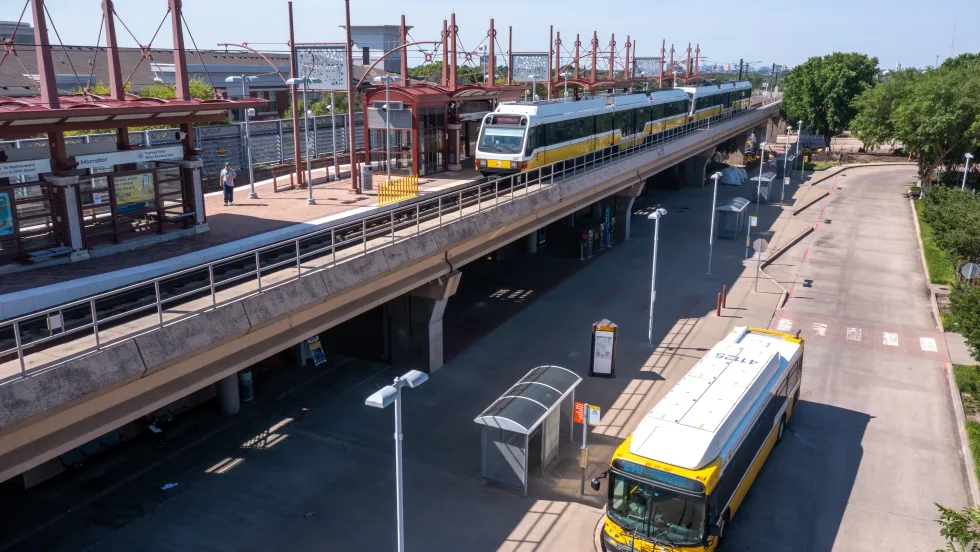
DART Introduces Dashboard to Track Ridership Data
The initial release represents the first phase of DART’s efforts to expand access to ridership information. Additional dashboard features, data, and functionality will be introduced in future phases.
Read More →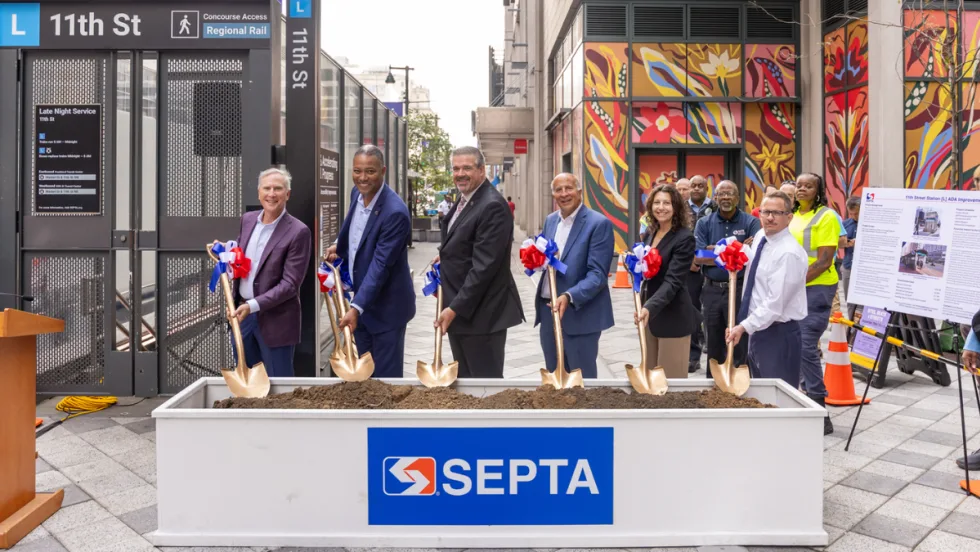
SEPTA Breaks Ground on $44M Accessibility Upgrade at 11th Street Station
The project will add elevators and other upgrades to make the busy L station fully ADA accessible, with a yearlong closure expected to accelerate construction and save up to $3 million.
Read More →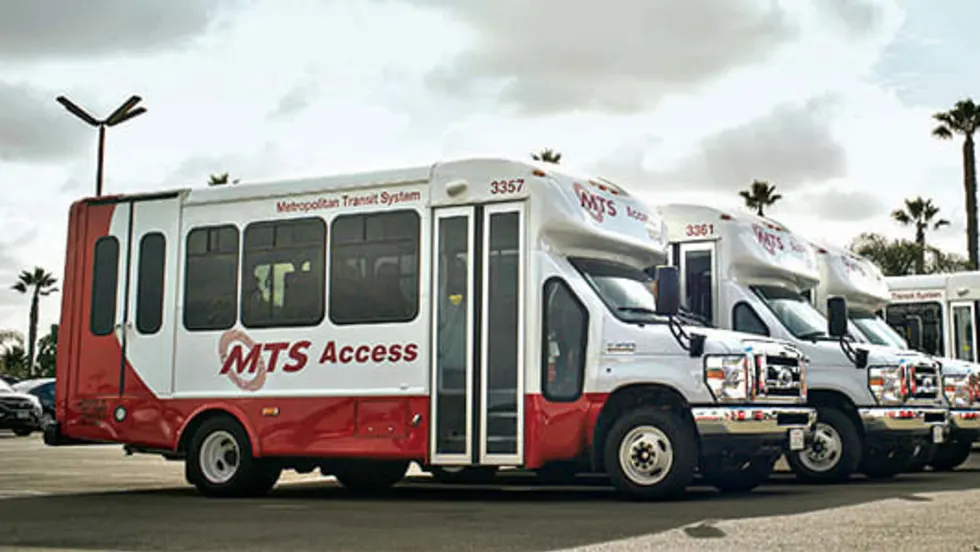
FTA Opens $610M for Transit Fleet Modernization
Propane autogas gives transit agencies a reliable, funding-eligible option for fleet upgrades.
Read More →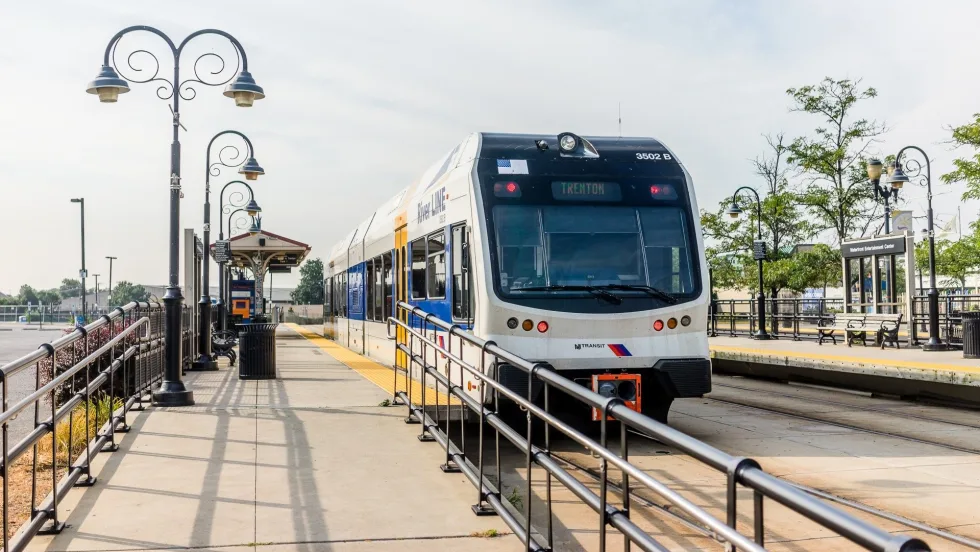
NJ TRANSIT Explores Unified Real-Time Customer Communications Platform
The agency is gathering industry input on AI, real-time data, and integrated communications technology as it prepares to procure a system that delivers faster, more consistent transit updates across every customer channel.
Read More →