



Financing to Boost NFI’s Zero-Emission Bus, Coach Offerings, Production Capabilities
As first announced with NFI’s second quarter 2023 financial results, NFI entered into an agreement for up to C$10 million in interest-free financing from PrairiesCan through Canada’s Jobs and Growth Fund.

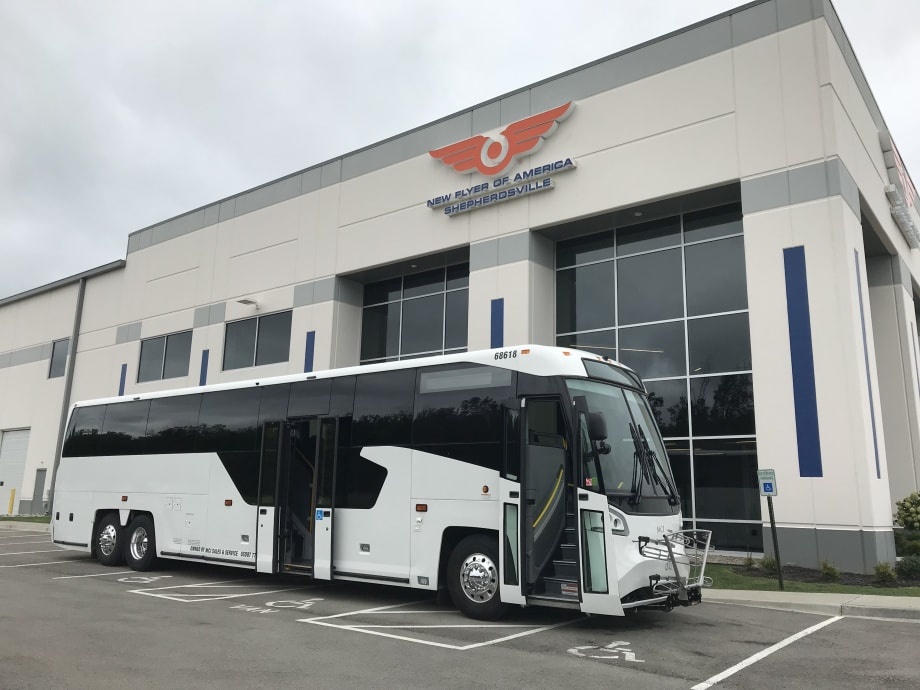
The announcement is the culmination of a multi-year strategy by NFI to expand its zero-emission vehicle offerings.
Photo: NFI
NFI Group Inc. held an event at its Motor Coach Industries (MCI) motorcoach manufacturing facility in Winnipeg to formally announce a C$10 million investment from Prairies Economic Development Canada (PrairiesCan) to support the expansion of NFI’s zero-emission heavy-duty transit and coach offerings, as well as modernization upgrades to the MCI facility.
As first announced with NFI’s second quarter 2023 financial results, NFI entered into an agreement for up to C$10 million in interest-free financing from PrairiesCan through Canada’s Jobs and Growth Fund.
The financing is non-interest-bearing and matures in March 2030. The financing matches investments previously made by NFI into its zero-emission vehicle capabilities from late 2021 into 2023, and funds being invested into facility upgrades in 2024.
PrairieCan’s Vision
The financing is part of PrairiesCan’s Framework to Build a Green Prairie Economy that was tabled in Parliament in December 2023, led by the Honorable Dan Vandal, Minister for PrairiesCan, and supported by nine other federal ministers, which includes a C$100 million commitment to support projects aligned with its five priorities.
The announcement is the culmination of a multi-year strategy by NFI to expand its zero-emission vehicle offerings, which includes the next generation hydrogen fuel-cell electric transit bus, the Xcelsior CHARGE FC; a redesigned 60-foot battery-electric bus with increased range, the Xcelsior CHARGE NG; MCI’s battery-electric high-floor and low-floor commuter coaches the D45 CRT CHARGE and D45 CRT LE CHARGE; and the battery-electric variant of North America’s best-selling touring coach, the J4500 CHARGE.
The financing also supported the integration of a new battery pack into certain North American vehicles, increasing NFI’s technology offering and enhanced supply chain resiliency.
Project Phoenix
In addition, the announcement is also an opportunity to showcase the modernization efforts underway at the MCI facility in Winnipeg, known as Project Phoenix.
Planned since 2020 and launched in 2022, Project Phoenix will see all MCI vehicles for public and private customers start on a common production line, improving workflows, increasing total capacity, generating overhead efficiencies, and lowering labor hours per vehicle. It will also expand electric vehicle production capabilities.
The project is expected to be complete in the second quarter of 2024 and to provide long-term benefits to MCI.
“On behalf of the entire team at NFI, I would like to thank PrairiesCan for their partnership and financial support. NFI is proudly headquartered in Manitoba, where over 2,800 of our team members work and live, and this non-interest-bearing loan has been instrumental in further strengthening our position in the province,” said Paul Soubry, president and CEO, NFI. “The funds have been strategically invested alongside our own funds in continuing innovation of our zero-emissions transit bus and coach offerings and transforming production lines at our MCI facility. This positions us extremely well for our recovery and future success as we lead the evolution to zero-emission transportation.”
More Zero Emissions
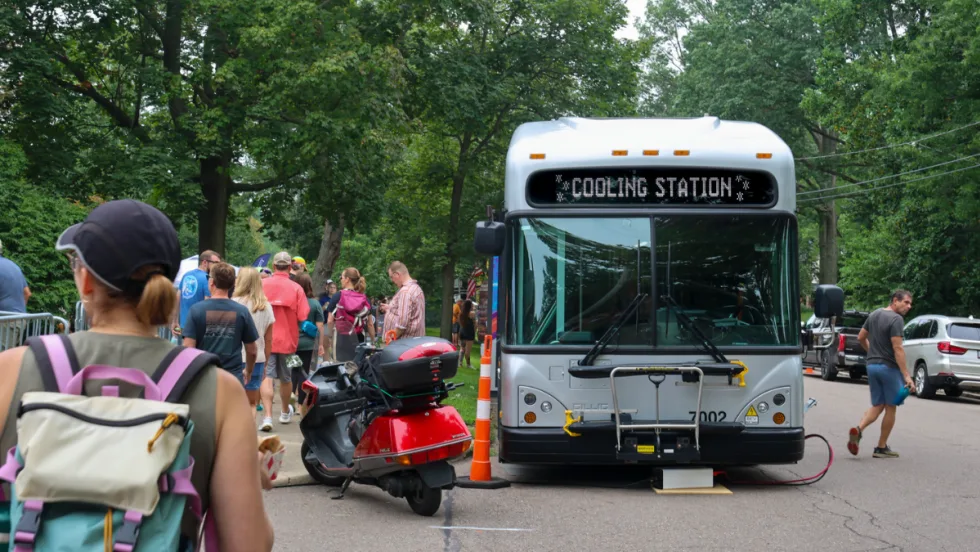
Ohio’s METRO RTA Turns Electric Buses into Mobile Power Sources at PorchROKR
See how three Gillig battery-electric buses powered festival stages while the agency’s new Park & Ride service carried approximately 1,000 attendees, demonstrating another potential use for transit agencies’ electric fleets.
Read More →
CALSTART and Forth Combine to Form Catalyst Mobility
The new name represents a renewed vision for the nonprofit focused on advancing clean, equitable, and affordable transportation solutions that move people and goods.
Read More →
Building a Flexible Path to Transit Electrification
John Hroncich discusses BAE Systems’ modular and scalable approach, lessons learned from decades of real-world operations, and how agencies can identify electrification strategies that fit their fleets.
Read More →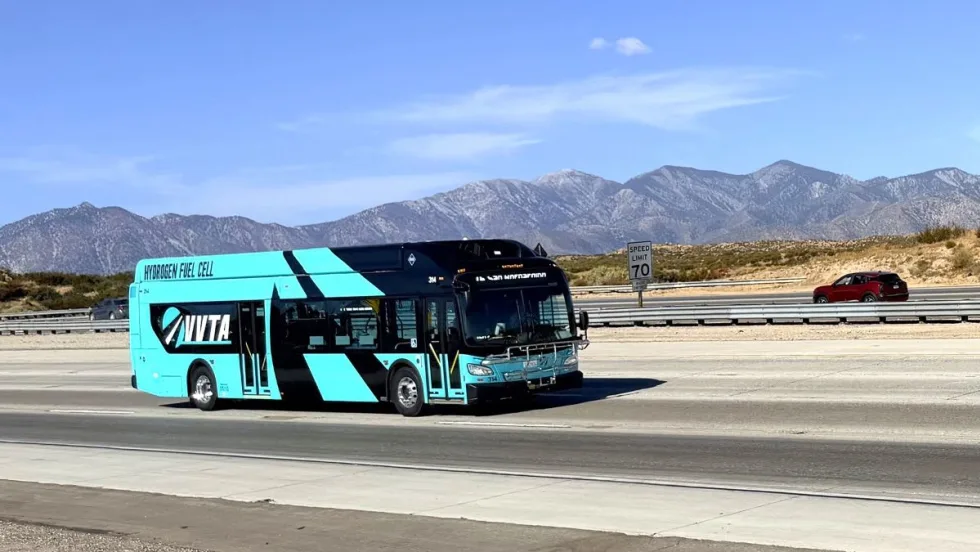
California's VVTA Begins Phased Rollout of Hydrogen Fuel Cell Buses
The agency is introducing 13 zero-emission buses into revenue service while evaluating performance across its urban, rural, and long-distance routes.
Read More →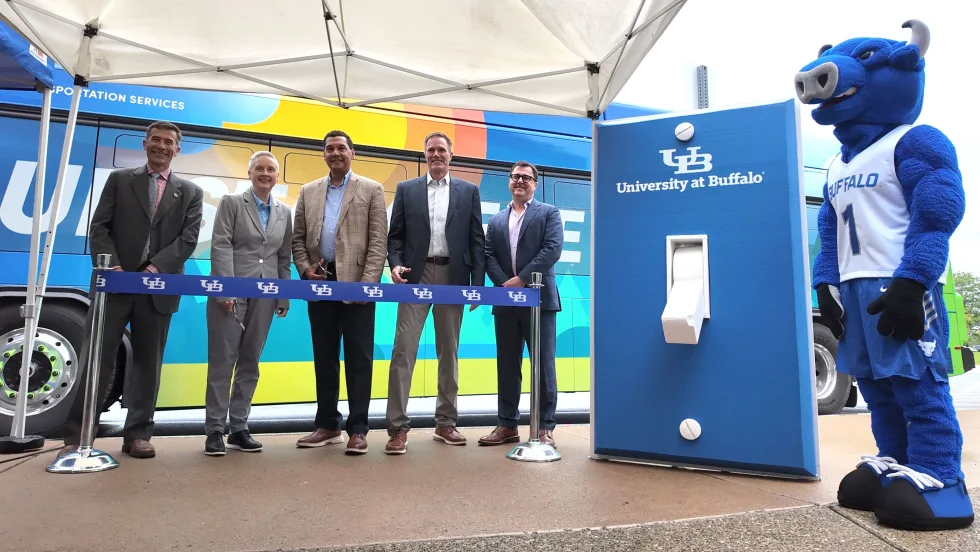
Inside Look: University at Buffalo Puts First 8 Electric Buses Into Stampede Service
UB, transportation solutions provider WeDriveU, and fleet electrification specialist Zenobē marked the deployment in the presence of students, university administrators, and local officials.
Read More →
Biz Briefs: OCTA Taps Clean Energy for Hydrogen Station, Stadler to Supply Via Rail Vehicles, and More
From manufacturers and suppliers to transit agencies and motorcoach operators, these updates offer a snapshot of the projects, partnerships and business moves driving the industry forward.
Read More →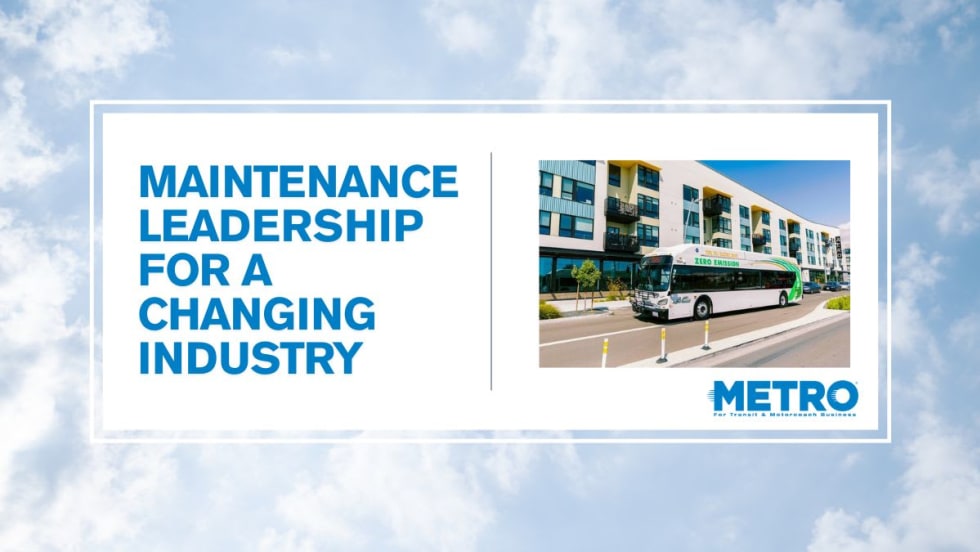
AC Transit’s Cecil Blandon on Building the Next Generation of Transit Maintenance Leaders
The agency’s maintenance chief discusses leadership, workforce development, zero-emission technology, and preparing technicians for the future of public transportation.
Read More →
CTDOT Taps STV for Electric Bus Facility Design
The firm will work with CTDOT and RVT to define the facility layout, operational requirements, and long-term flexibility for RVT’s growing electric fleet.
Read More →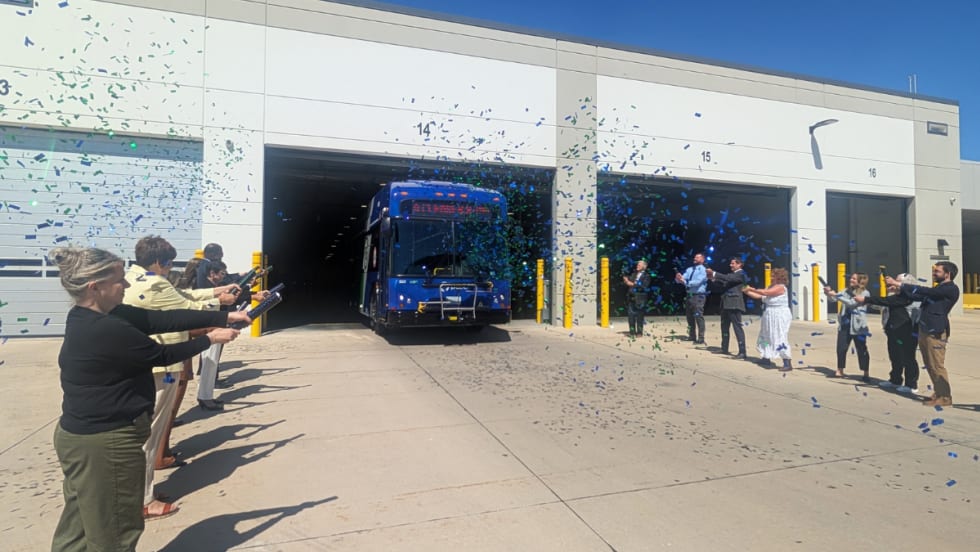
Chicago’s Pace Deploys 24 Hybrid-Electric Buses in Will County
The new buses reduce emissions and fuel consumption while advancing the agency's long-term goal of transitioning to a fully zero-emission fleet.
Read More →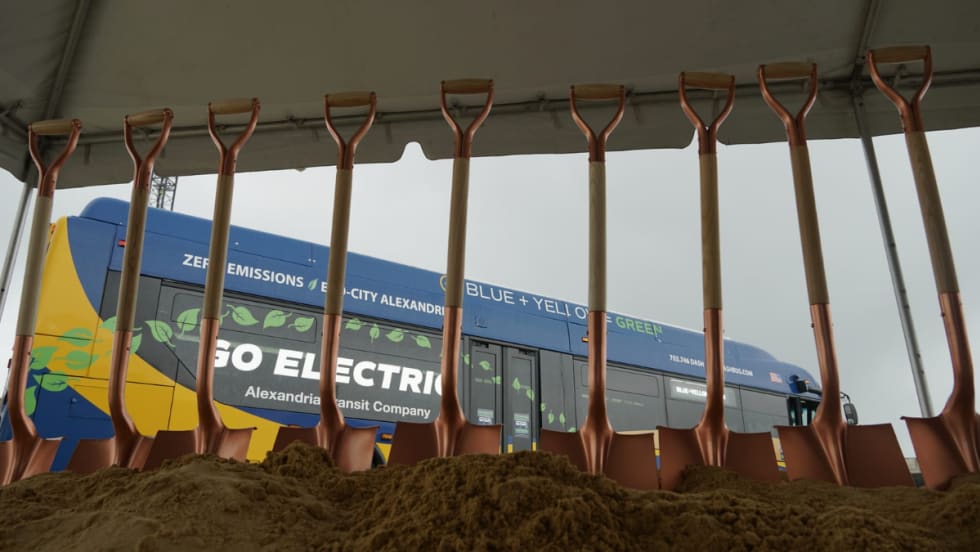
DASH Breaks Ground on First On-Route Electric Bus Chargers in D.C. Region
The fast-charging infrastructure will help extend electric bus range, improve fleet utilization, and support DASH's goal of transitioning to a fully zero-emission fleet.
Read More →