



FMCSA appoints 3 experts to Medical Review Board
Appointed to a two-year term, members must possess expertise in a medical specialty, knowledge of transportation medical issues, experience on panels that develop medical standards and professional service and experience developing teaching programs.

The Federal Motor Carrier Safety Administration's (FMCSA) appointed three new medical experts to its Medical Review Board (MRB). The five-member board reviews FMCSA medical qualifications for commercial vehicle drivers and provides science-based recommendations on medical standards and research that address driver health.
The new board members are Dr. Brian T. Morris, associate corporate medical director, All One Health Resources Inc.; Dr. Albert James Osbahr III, medical director for Occupational Health Services, Catawba Valley Medical Center; and Dr. Gina C. Pervall, medical director for occupational medicine services, John Hopkins University Applied Physics Laboratory Services.
"Healthy commercial drivers are safer drivers," said U.S. Department of Transportation Secretary Ray LaHood. "The Review Board plays a critical role in ensuring that drivers of large commercial trucks and buses are medically qualified to operate on our roads."
Medical Review Board members are appointed to a two-year term. Members must possess expertise in a medical specialty, knowledge of transportation medical issues, experience on panels that develop medical standards and professional service and experience developing teaching programs.
The MRB was authorized by Congress in 2005 by SAFETEA-LU.
More Bus

PSTA Modernizes Workforce Management with Digital Bidding System
The award-winning Workforce Transit Modernization project replaced paper bidding with a transparent digital platform, cutting administrative effort while improving access for operators.
Read More →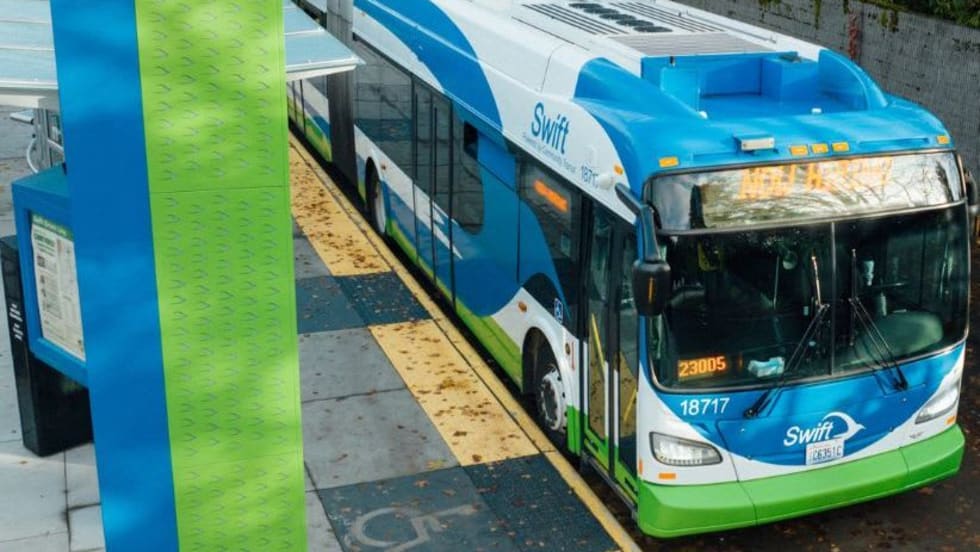
Washington's Community Transit Sets Six-Year Roadmap for Growth, Expansion
Approved TDP targets more bus service, new mobility options, Swift BRT expansion, and a potential Everett Transit annexation.
Read More →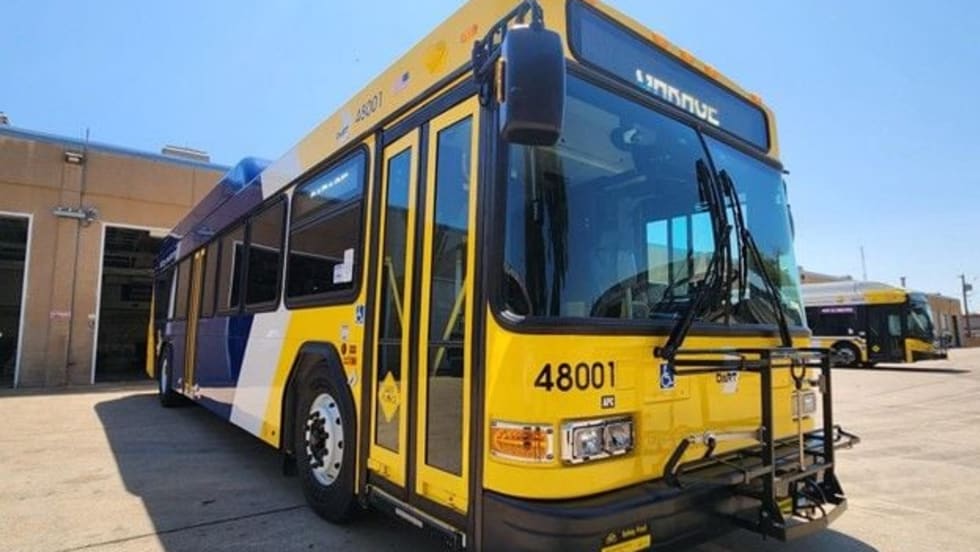
DART Customer Satisfaction Reaches Six-Year High
Overall satisfaction rose to 74.9%, while the agency’s Net Promoter Score reached a record 33.7.
Read More →
How DART's GoPass Is Redefining Regional Mobility
Serving 14 transit agencies, GoPass simplifies multimodal travel by allowing riders to plan, pay for, and manage an entire trip through one app.
Read More →
Biz Briefs: OCTA Taps Clean Energy for Hydrogen Station, Stadler to Supply Via Rail Vehicles, and More
From manufacturers and suppliers to transit agencies and motorcoach operators, these updates offer a snapshot of the projects, partnerships and business moves driving the industry forward.
Read More →
METRO Magazine Announces 2026 Innovative Solutions Awards Winners
Projects Recognized for Advancing Mobility Through Technology, Accessibility, Workforce Innovation, and Operational Excellence
Read More →
Biz Briefs: STV teams with Amtrak, Motorcoach Operators Boost Fleet and Land Contracts, and More
From manufacturers and suppliers to transit agencies and motorcoach operators, these updates offer a snapshot of the projects, partnerships and business moves driving the industry forward.
Read More →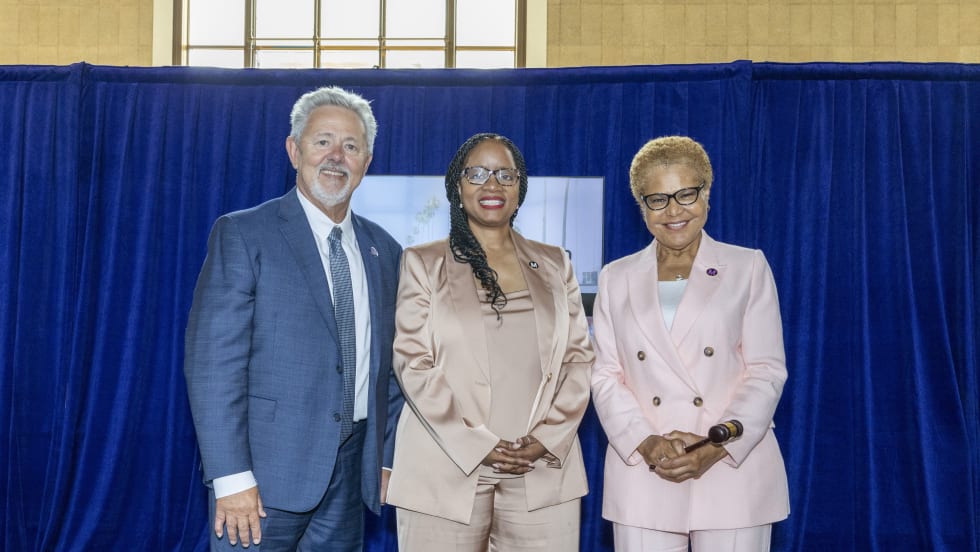
LA Metro Marks Banner Year, Sets Ambitious Goals for New Fiscal Year
Incoming LA Metro Board Chair and Los Angeles Mayor Karen Bass joined outgoing Board Chair Fernando Dutra and LA Metro CEO Stephanie Wiggins to review accomplishments from fiscal year 2026, which included the opening of new rail extensions, advancement of major transit projects, expanded safety programs, and new rider amenities.
Read More →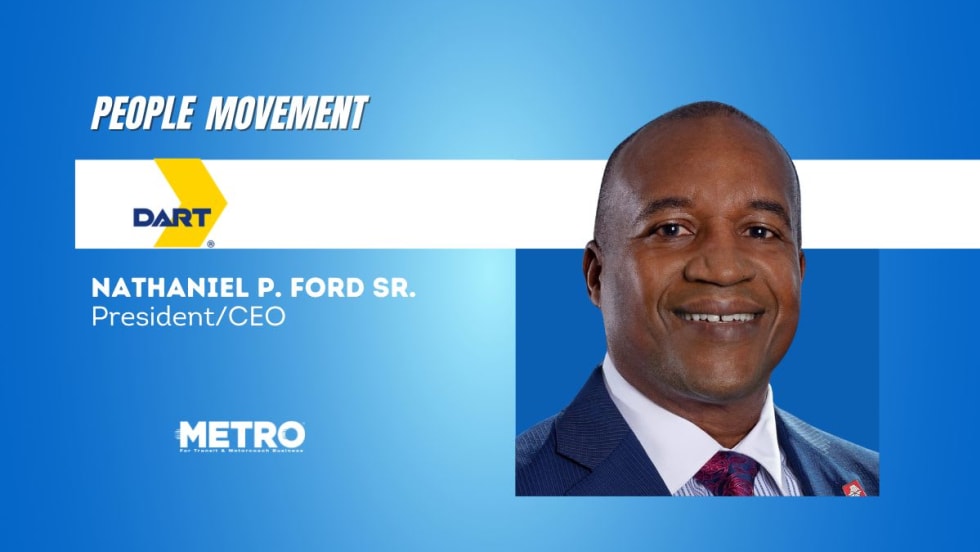
DART Taps Nathaniel P. Ford Sr. as Next President/CEO
Since 2012, Ford has served as the CEO of the Jacksonville Transportation Authority
Read More →
AC Transit’s Cecil Blandon on Building the Next Generation of Transit Maintenance Leaders
The agency’s maintenance chief discusses leadership, workforce development, zero-emission technology, and preparing technicians for the future of public transportation.
Read More →