



FMCSA issues rule to improve small bus, van safety
Regulations will apply to all businesses operating commercial motor vehicles designed or used to transport between nine and 15 passengers in interstate commerce.

The Federal Motor Carrier Safety Administration (FMCSA) Monday disclosed requirements that will improve the safe operation of nine- to 15-passenger commercial vans and small buses in interstate commerce. Under the new rule, Federal Motor Carrier Safety Regulations will apply to all businesses operating commercial motor vehicles (CMV) designed or used to transport between nine and 15 passengers (including the driver) in interstate commerce for direct compensation when the vehicle is operated beyond a 75-air-mile radius from the location where the driver normally works. Affected motor carriers must comply with the requirements of this rule by Nov. 10, 2003. Businesses operating these vehicles will be subject to compliance reviews and the same safety fitness procedures and standards used to evaluate other interstate motor carriers. Carriers that receive an unsatisfactory safety rating will be prohibited from operating CMVs to transport passengers in interstate commerce. The vehicles will be required to meet the same safety requirements as motorcoaches. The National Highway Traffic Safety Administration has twice issued cautionary warnings to users of 15-passenger vans because of an increased risk in these vehicles under certain conditions. The FMCSA estimates that this rulemaking will affect approximately 1,850 for-hire passenger motor carriers who are currently required to have operating authority. The final rule is available on the Internet at www.fmcsa.dot.gov.
More Management
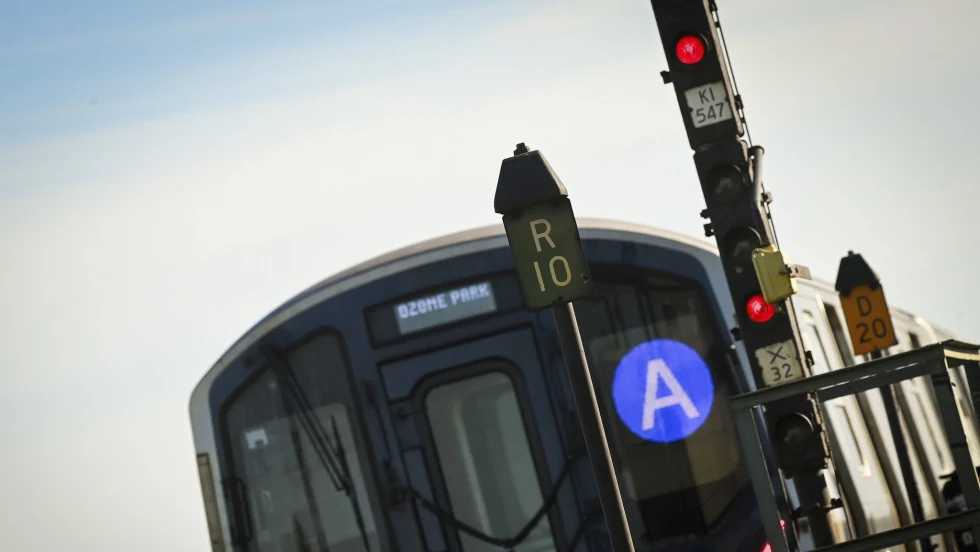
New York MTA Launches Historic $1.9B Signal, Track Modernization Project
Funded in part by congestion pricing revenue, the project will replace nearly century-old signals along the A and C lines in Brooklyn and Queens.
Read More →
Brian Dickson on Building Stronger, More Resilient Transportation Organizations
Bus Business Consultants Founder Brian Dickson discusses the leadership principles, operational discipline, and strategic planning that separate transportation companies positioned for long-term success from those stuck in survival mode.
Read More →
LA Metro Breaks Ground on Vermont BRT Project
The 12.4-mile corridor is projected to serve 66,200 daily riders, reduce travel times by up to 24%, and create the nation's busiest bus rapid transit corridor.
Read More →
Building Stronger Leaders, More Resilient Transit Teams
Dr. Carol Parker Walsh discusses leadership development, employee retention, workplace culture, and preparing transit’s workforce for AI and automation.
Read More →
Roman Cornell on ABC Companies’ Evolution and the Future of Passenger Transportation
The company’s CEO discusses carrying forward a third-generation family legacy, ABC’s continued evolution in passenger transportation, support for increasingly complex fleets, and how technology and continued investment could help operators improve uptime.
Read More →
CATS Launches West Charlotte Microtransit Zone, Expands Transit Services
The new microtransit zone connects residents to key destinations as Charlotte Area Transit System rolls out the first phase of its 2055 Transit System Plan.
Read More →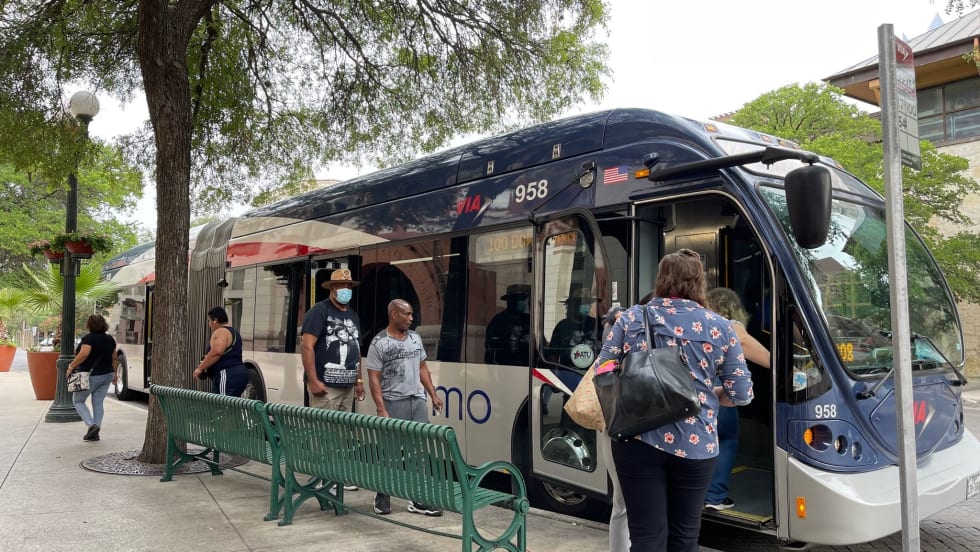
VIA Bus Ridership Grows 10.1% Through August 2026
San Antonio's VIA Metropolitan Transit reported the highest bus ridership growth among major Texas transit systems. Federal Transit Administration data ranked it second among the nation's 50 largest transit systems.
Read More →
CSA Group Releases Climate Resilience Standard for Transit, Passenger Rail
Developed with support from the Standards Council of Canada, CSA D700 guides assessing climate-related risks and planning adaptation measures for transit and passenger rail systems.
Read More →
ETA CEO John Maglio on Transit Technology, Innovation, and Building Agency Trust
ETA founder and CEO John Maglio explores the evolution of transit technology, the importance of reliable systems, and how stronger partnerships can help agencies improve operations and the passenger experience.
Read More →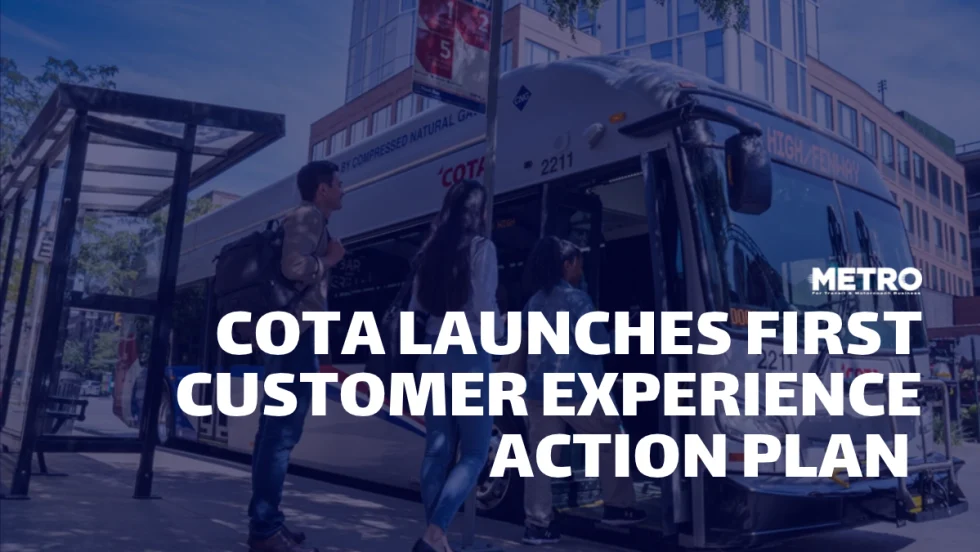
COTA Launches First Customer Experience Action Plan to Improve Transit Service
The new plan outlines improvements to service reliability, accessibility, communication, and the overall rider experience across Central Ohio's transit system.
Read More →