



FMCSA requires performance history for bus driver hiring
Carriers failing to comply will be cited, and may be subject to civil penalties.

The Federal Motor Carrier Safety Administration (FMCSA) announced a final rule to help motor carriers hire bus and truck drivers with the best possible safety records. The rule requires employers to review candidates' professional driving safety records and former employers to make the information available to prospective employers. This final rule enables prospective employers to obtain and use more complete driver safety performance information. By using this information, employers will be able to better assess the potential safety risks of prospective new driver-employees. Prospective employers are required to advise driver applicants that they have the right to review, request correction, or refute what a previous employer provided in the driver's safety history. The rule requires previous employers to respond within 30 days to questions by prospective employers investigating an applicant. Previous employers will be required to go back three years to confirm employment and provide other information about employees such as crash involvement, alcohol and controlled substance violations, rehabilitation efforts, and reversion to illegal alcohol or controlled substances if rehabilitation was unsuccessful. Complaints about failures to comply with this rule will be investigated by the FMCSA. Carriers failing to comply will be cited, and may be subject to civil penalties.
More Management
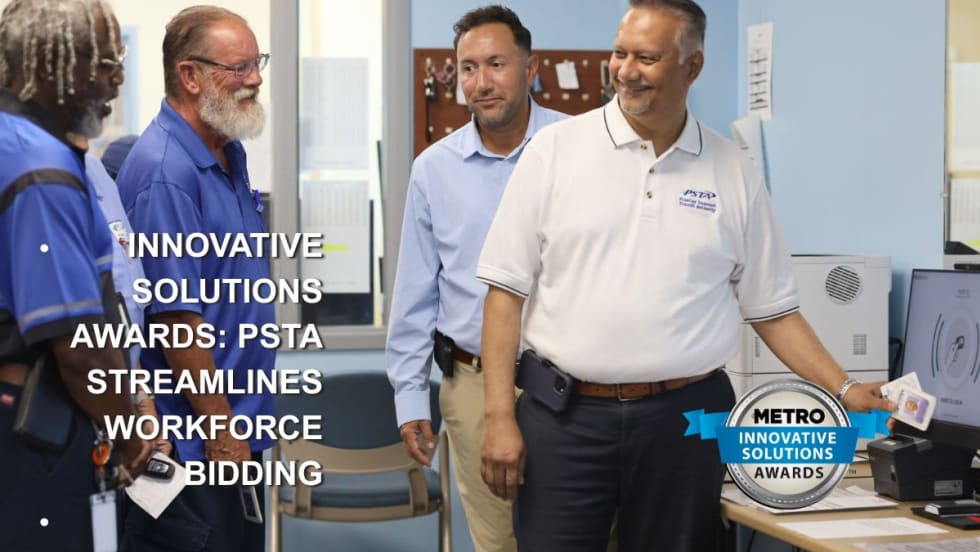
PSTA Modernizes Workforce Management with Digital Bidding System
The award-winning Workforce Transit Modernization project replaced paper bidding with a transparent digital platform, cutting administrative effort while improving access for operators.
Read More →
Chicago to Host Public Transportation's Biggest Gathering at APTA TRANSform & EXPO 2026
North America’s largest public transportation gathering returns to Chicago, connecting transit decision-makers with the technologies, ideas, and partnerships driving the industry forward.
Read More →
New Tricks for Old Bureaucracies: Joshua Schank on Making Transit Innovation Stick
Former LA Metro Chief Innovation Officer Joshua Schank discusses why good ideas aren't enough, how transit agencies can overcome resistance to change, and why today's challenges demand more innovation.
Read More →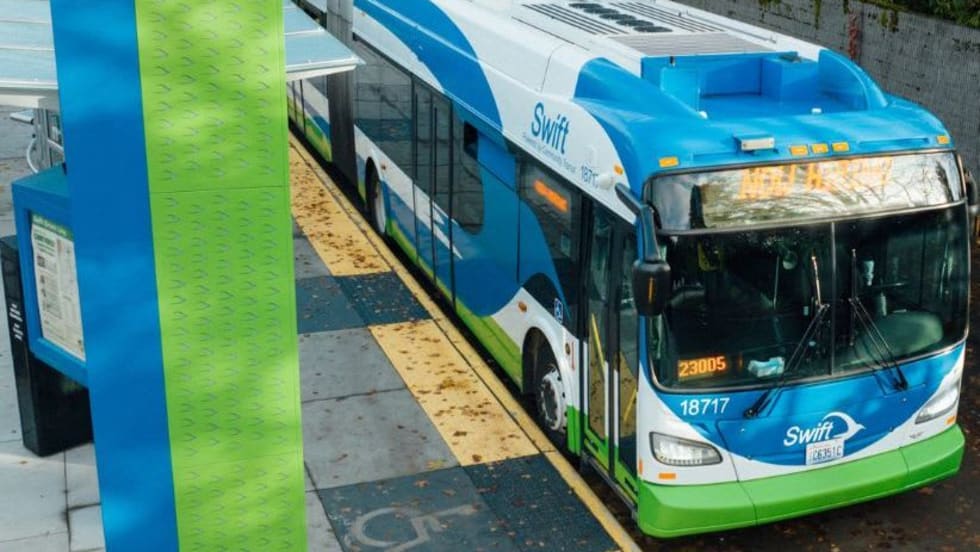
Washington's Community Transit Sets Six-Year Roadmap for Growth, Expansion
Approved TDP targets more bus service, new mobility options, Swift BRT expansion, and a potential Everett Transit annexation.
Read More →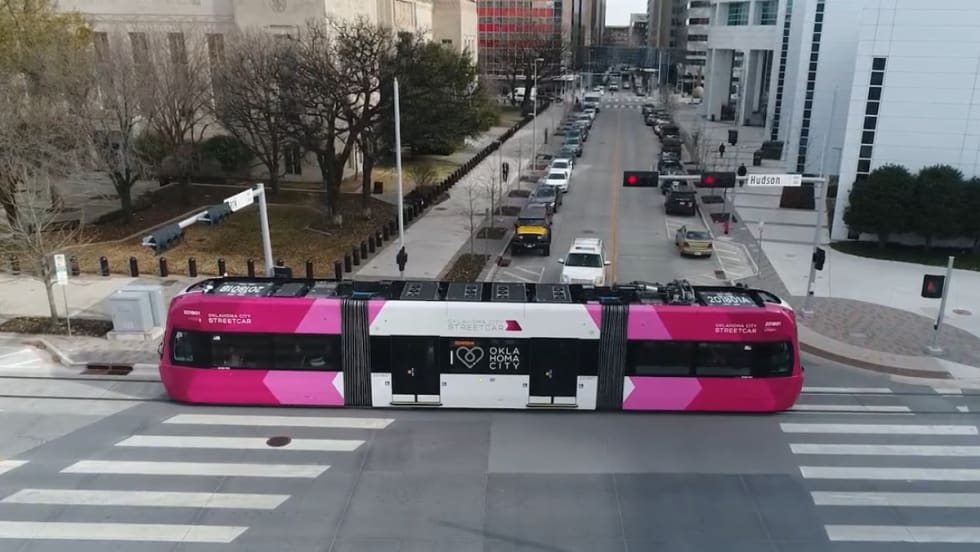
OKC Streetcar Makes Zero-Fare Service Permanent
Ridership increased an average of 71% compared with the same period a year earlier during the fare-free pilot.
Read More →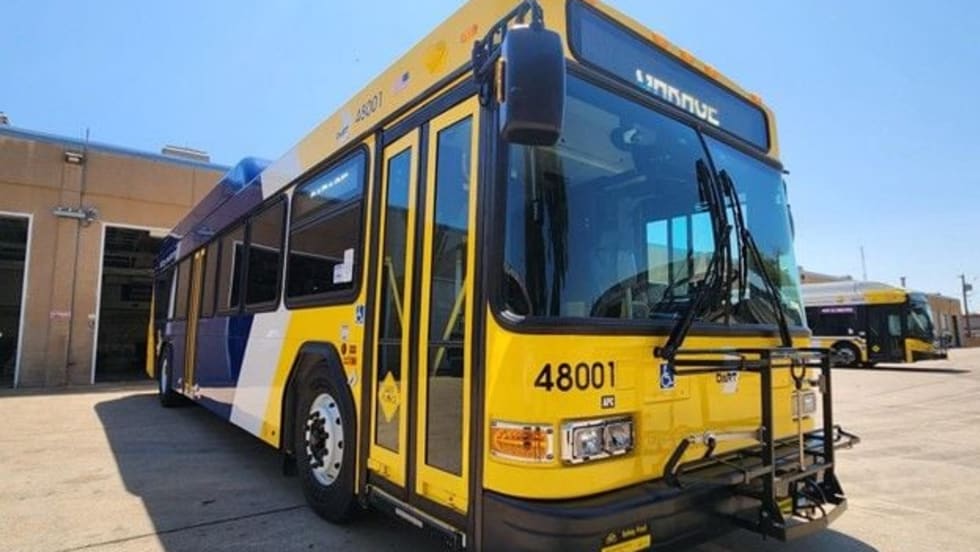
DART Customer Satisfaction Reaches Six-Year High
Overall satisfaction rose to 74.9%, while the agency’s Net Promoter Score reached a record 33.7.
Read More →
House Surface Transportation Bill Advances as Transit Funding Debate Intensifies
A bipartisan transportation package moving through Congress could redefine how the U.S. funds highways, transit, and motorcoach travel, while igniting new fights over electrification, regulation, and federal priorities.
Read More →
How Data, Strategy, and Community Engagement Are Reshaping Transit
In this edition of METROspectives, strada360 CEO Steve Lassey discusses how transit agencies can better align planning with operations, leverage data to improve decision-making, and build public trust as they prepare for the future of mobility.
Read More →
Amtrak Board Advances Plan to Restructure Organization, Seeks Public Input
The proposal, developed by Amtrak management and approved by the board for further consideration, is intended to modernize the organization's structure while improving accountability, operational efficiency, and customer service.
Read More →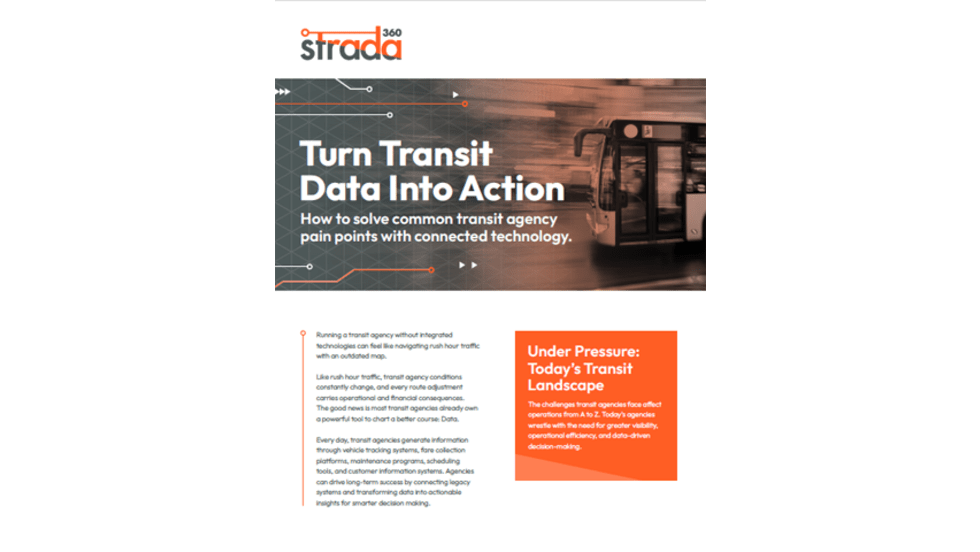
Turn Transit Data Into Action
Discover how leading agencies are using connected technology to gain real-time visibility across operations, improve service reliability, and reduce disruptions.
Read More →