



Founder/CEO of The Braun Corp. dies
Ralph Braun is credited with helping to create the mobility industry, driven initially by his own mobility needs. Innovations include devising a way to install a wheelchair lift on a van, enabling people with disabilities to travel on the road with their wheelchairs.



WINAMAC, Ind. — Ralph Braun, who made important developments in mobility for people with special needs — including himself — has died.
The founder and CEO of The Braun Corp. passed away on Feb. 8 at age 72.
Among his contributions, Braun is remembered for his efforts to ensure that students with disabilities could get to and from school safely.
Driven to move
Braun is credited with helping to create the mobility industry, driven initially by his own mobility needs.
In 1947, Braun was diagnosed with spinal muscular atrophy at 6 years old. He credited his parents with instilling in him the will to overcome the challenges his disability — and society — presented him.
At about age 20, Braun engineered his first mobility product: a motorized scooter, which he dubbed the Tri-Wheeler. The scooter let him conserve energy and keep his job as a quality control inspector at a factory near his home — he could ride the scooter to and from work.
Braun captured the attention of people with disabilities as his mobility increased. His part-time business filling orders for Tri-Wheelers from his parents’ garage grew into Save-A-Step Manufacturing.
When the factory where Braun worked moved a few miles from his home, he outfitted an old postal Jeep with hand controls and a hydraulic lift. The additions allowed him to drive his Tri-Wheeler into and out of the Jeep, giving him reliable transportation to and from work in any weather.
A few years later, when Dodge introduced the first full-size, front-engine van, Braun made another groundbreaking innovation: He devised a way to install a wheelchair lift on the van, enabling people with disabilities to travel on the road with their wheelchairs.
A vital lift
In 1972, Save-A-Step was incorporated under a new name, The Braun Corp. For much of the '70s and '80s, the company's product line focused on the wheelchair lift.
"Not only did this product revolutionize consumer mobility, but it forever changed public transportation as well," company officials said in a statement. "Finally, buses and vans could be outfitted with wheelchair lifts to allow universal public transportation from city and state governments. Most importantly, children across the country were offered accessible transportation to and from school — a benefit that didn’t seem possible when Ralph was a young man encountering multiple roadblocks to his own public education."
Braun Corp. went on to introduce a lowered-floor minivan. Ralph Braun also created a network of dealers across the country to evaluate individuals' needs and circumstances to find the best mobility option for them.
Today, the company offers wheelchair-accessible conversions on various minivans, as well as multiple lift platforms and additional mobility products.
The Braun Corp., which now employs close to 850 people, continues to be based in Ralph Braun's hometown, Winamac.
Moving tributes
Last year, the White House named Ralph Braun a "Champion of Change" for his dedication to improving the lives of people with physical disabilities.
Also last year, the National Mobility Equipment Dealers Association inducted Braun to its Hall of Fame.
A few years ago, Braun wrote an autobiography, titled Rise Above: How One Man's Search for Mobility Helped the World Get Moving. He also formed The Ralph Braun Foundation, which helps people with limited income afford mobility equipment.
"While Ralph made a significant impact in the world of accessibility, he left an even greater imprint on mankind: the proof that, yes, you may be different from most people, but those differences are not limiting," said Nick Gutwein, president of The Braun Corp. "In fact, those differences, combined with the drive to succeed, can lead to greatness."
For more information on Braun's life and legacy, go here.
More Paratransit

King County Metro Makes ADA Paratransit Easier to Navigate
METRO's Innovative Solutions Award winner replaces complex service-area descriptions with an accessible, interactive map that puts paratransit information directly in customers’ hands.
Read More →
Jacksonville’s NAVI Project Charts a New Course for Autonomous Public Transportation
Through its NAVI program, JTA is showing how autonomous vehicles, intelligent infrastructure, and coordinated operations can work together to deliver everyday public transportation.
Read More →
Driving Smarter Paratransit
John Hanlon shares how AlphaRoute is leveraging AI-powered technology to help paratransit providers optimize operations, support frontline staff, and enhance the rider experience.
Read More →
METRO Magazine Announces 2026 Innovative Solutions Awards Winners
Projects Recognized for Advancing Mobility Through Technology, Accessibility, Workforce Innovation, and Operational Excellence
Read More →
Biz Briefs: STV teams with Amtrak, Motorcoach Operators Boost Fleet and Land Contracts, and More
From manufacturers and suppliers to transit agencies and motorcoach operators, these updates offer a snapshot of the projects, partnerships and business moves driving the industry forward.
Read More →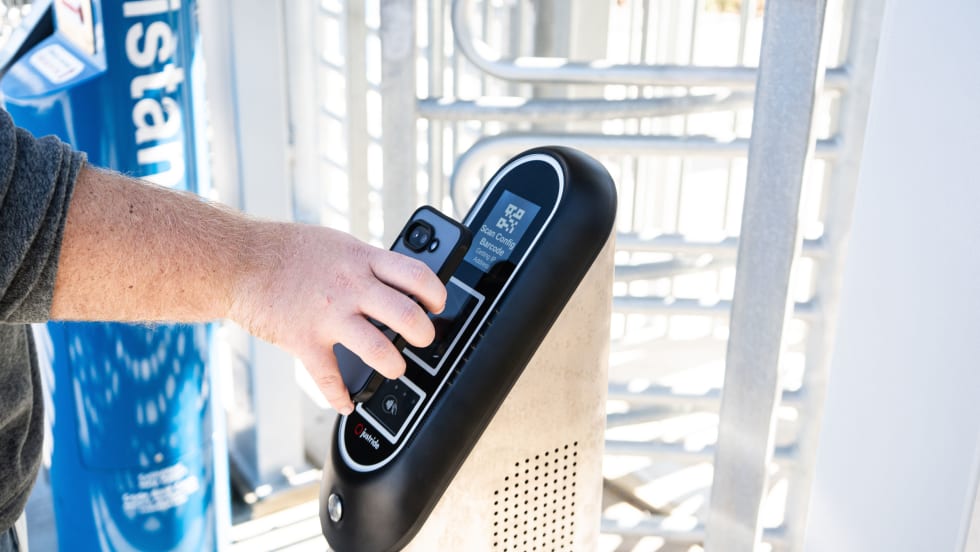
Biz Briefs: Masabi Teams with St. Louis Metro and More
In METRO's latest installment, we take a look at recent news from Transdev, Hitachi, and more partnerships making headlines across the transportation sector.
Read More →
New York MTA Leverages Zoning Program to Advance Station Accessibility
Accessibility enhancements at Nevins St Station will be financed through a development agreement tied to the MTA's Zoning for Accessibility initiative.
Read More →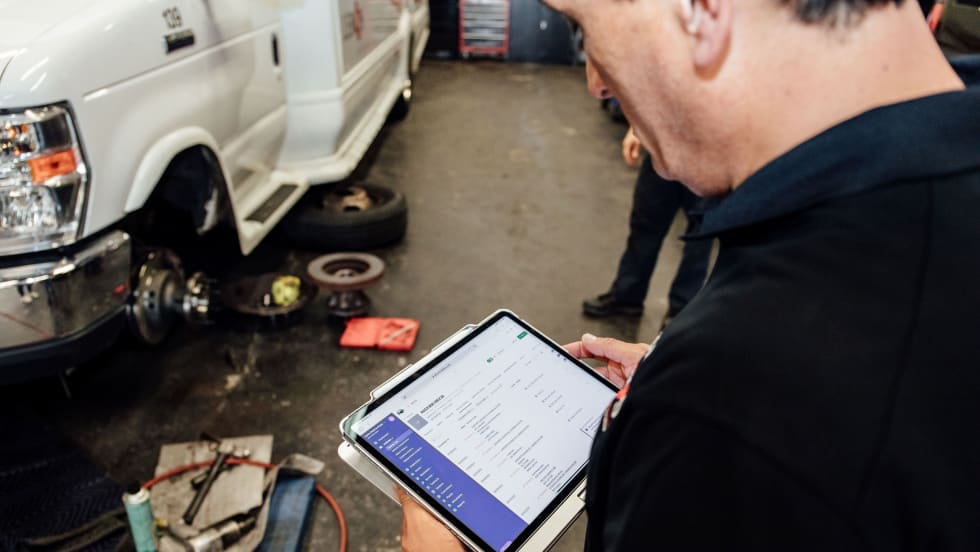
Reinventing Fleet Maintenance with Real-time Visibility and AI
Transit leaders need to know what needs fixing, where to look, who is responsible, when work is completed, and what it costs without having to chase information across disconnected systems.
Read More →
SamTrans Sets Priorities for Potential Connect Bay Area Revenue
The board-approved framework allocates future funding to maintaining service, rider improvements, equity initiatives, and infrastructure repairs.
Read More →
Chicago's NITA Act Moves Into Next Phase as Service Improvements Begin
Rider-focused improvements will begin rolling out across the system immediately as CTA, Metra, and Pace increase service this summer in the six-county region.
Read More →