



FRA Launches New Public Safety Data Portal to Improve Access and Transparency
The redesigned portal consolidates and modernizes information from two legacy FRA websites, including one developed in the 1990s, to deliver an easier, more flexible way for users to view, sort, and analyze safety data across the national rail system.


The new site integrates the FRA’s 30 legacy safety reports and expands on them with interactive dashboards, visualizations, and narrative elements that make the data easier to understand and more actionable.
Photo: METRO
The Federal Railroad Administration (FRA) has officially launched a new, interactive public safety data website to improve transparency, usability, and access to critical rail safety information.
The site, now live, fulfills a mandate under Section 22405 of the Infrastructure Investment and Jobs Act 2021.
The redesigned portal consolidates and modernizes information from two legacy FRA websites, including one developed in the 1990s, to deliver an easier, more flexible way for users to view, sort, and analyze safety data across the national rail system.
“Our new public FRA Safety Data website increases transparency, which is a top priority,” said FRA Acting Administrator Drew Feeley. “The new capabilities introduced will afford users significantly more flexibility when querying our railroad safety data.”
Key Enhancements for Users
The new site integrates the FRA’s 30 legacy safety reports and expands on them with interactive dashboards, visualizations, and narrative elements that make the data easier to understand and more actionable. Improvements include:
Customizable filters and dropdowns for targeted data exploration.
Interactive tables with sortable columns.
Streamlined navigation and descriptive report summaries.
Expanded filtering options standardized across reports.
Embedded resource links for better understanding and context.
The site’s improved layout and intuitive controls result from a collaborative development process that included input from railroads, industry associations, state departments of transportation, researchers, and FRA staff.
Advancing Open Data and Safety Insights
The new platform supports the U.S. Department of Transportation’s broader Open Data Portal initiative by enhancing how stakeholders access and interpret safety data. It aligns with key data priorities, including:
Enhancing data assets by integrating legacy and new datasets.
Improving data accessibility through user-friendly design and export options.
Promoting data literacy with clear definitions and data descriptions.
Boosting data dissemination via OData and API tools that enable real-time updates and automated data pulls.
These capabilities allow users, from transportation planners and researchers to rail operators and public agencies, to make data-informed decisions and more effectively monitor safety trends.
FRA will continue to refine and expand the new public portal throughout 2025 and beyond, incorporating user feedback to enhance functionality and content.
The FRA Safety Data website is part of a broader modernization strategy to strengthen rail safety oversight and improve access to information for the public and industry stakeholders.
More Security and Safety

Transit Agencies Highlight Safety Gains at National Summit
Leaders from 15 major transit systems shared crime-reduction results and safety initiatives while discussing the role of continued federal support.
Read More →
DART Launches Major Security, Fare Enforcement Initiative
The 90-day demonstration will deploy coordinated security teams at five light rail stations while testing controlled access and gathering data to guide future investments.
Read More →
RTD Launches NextRide App to Consolidate Trip Planning, Fares, Security Reporting
The app expands on RTD’s existing NextRide web application and allows customers to view real-time vehicle locations and service alerts, purchase and store digital fares, and access customer support.
Read More →

TAPTCO Updates OSHA Compliance Training for Transit Maintenance Operations
The revamped program addresses 26 OSHA standards for maintenance facilities, with TAPTCO pointing to training, documentation, and everyday shop hazards as continuing challenges for transit operations.
Read More →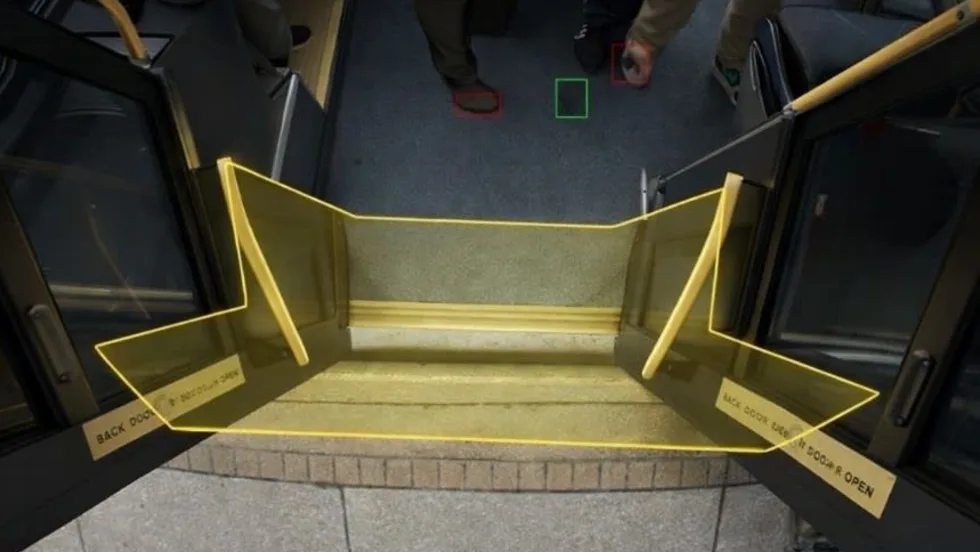
How VaporVision Adds Value to Transit Door Systems
Wabtec engineers explain how the system improves doorway detection, strengthens diagnostics and gives transit agencies and OEMs greater operating flexibility.
Read More →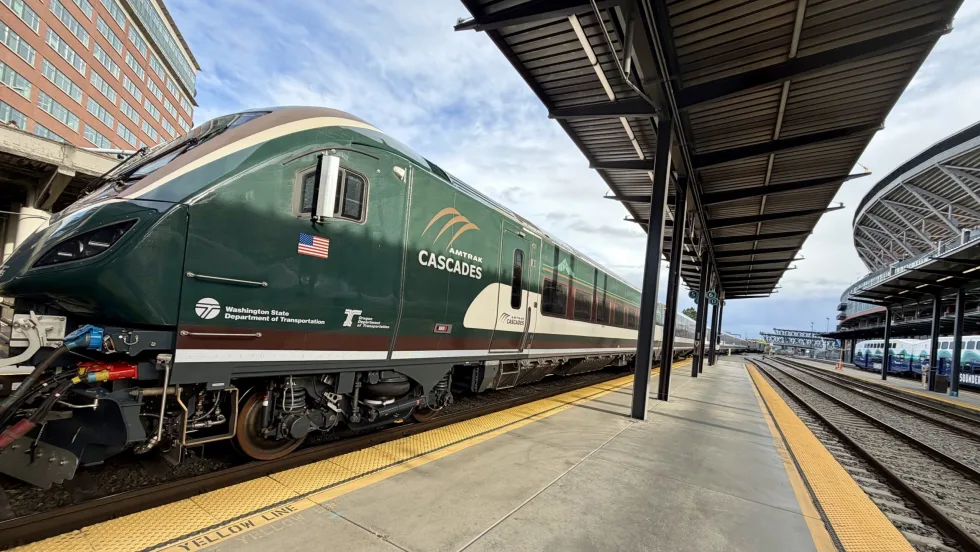
FRA Announces $5.3B in Rail Investments, Including $2B for Amtrak
Funding will support grade-crossing improvements, infrastructure upgrades, and new Amtrak equipment in 23 states.
Read More →
Chicago, Maryland Expand Non-Law-Enforcement Safety, Rider Support
The CTA and MTA are launching new programs aimed at de-escalation, crisis response, rider assistance, and greater transparency.
Read More →
LA Metro, City of West Hollywood, and Partners Advance Smarter Bus Lane Enforcement
The award-winning partnership combines AI-powered detection with human oversight to improve bus reliability, accessibility, and enforcement efficiency.
Read More →
LA Metro Reports 57% Decline in Homelessness on Transit System Since 2024
The agency's latest homelessness count offers new data on how care-based services and cross-sector partnerships can complement traditional transit security strategies.
Read More →
FTA Launches 'Transit Moves America' Dashboard to Highlight Agency Safety and Performance
The online dashboard transforms National Transit Database information into a public-facing resource that allows users to compare transit agencies on key operational and safety metrics.
Read More →