




More Help: FTA to Help Communities Prosper with Funding Opportunity
FTA Announces $1.7B Available to Modernize Fleets
This Notice of Funding Opportunity (NOFO) is for two programs that help transit agencies replace old buses, provide good-paying jobs, and more.
January 27, 2023
With this year’s new round of funding, more transit agencies across the country will be able to build, repair, expand, and improve fleets and the facilities that support them.
Photo: FTA
3 min to read
The U.S. Department of Transportation’s Federal Transit Administration (FTA) announced the availability of nearly $1.7 billion to support state and local efforts to modernize aging transit fleets with low- and no-emission buses, renovate and construct bus facilities, and support workforce development, according to the administration's news release.
Made possible by the President’s Bipartisan Infrastructure Law, this Notice of Funding Opportunity (NOFO) is for two programs that help transit agencies replace old buses, provide good-paying jobs, improve transit affordability and reliability, invest in community health and environmental justice, and contribute to the President’s goal of net-zero emissions by 2050.
The first year of these programs under the Bipartisan Infrastructure Law allocated funding that will nearly double the number of no-emission transit buses on America’s roads.
“The historic funding opportunity we are announcing today is helping communities across the country purchase new buses, which will cut harmful pollution, and train workers for good-paying jobs,” said Pete Buttigieg, U.S. Transportation secretary. “With these new, cleaner buses, Americans will have better options to get where they need to go and people everywhere will benefit from cleaner air.”
The funding opportunity, which covers FTA’s Low or No Emission (Low-No) Program and Grants for Buses and Bus Facilities Program, is structured to advance national priorities.
Five percent of each grant for zero-emission projects must be used for workforce development and training.
This funding opportunity also gives priority consideration to projects that advance environmental justice under the Administration’s Justice40 Initiative, and to projects that will catalyze a broader shift towards low- and zero-emission options across the transit sector.
“Buying new buses, including many vehicles that use new technology to fight climate change, will promote cleaner, faster, and safer rides as we move toward a better future,” said Nuria Fernandez, FTA administrator. “Thanks to the strong commitment of this Administration to not leave anyone behind, we will be able to connect more people in their communities and improve the reliability of transit service.”
FTA’s Low or No Emission (Low-No) Program helps transit agencies buy or lease U.S.-built zero-emission and low-emission transit buses along with charging equipment and supporting facilities. The Bipartisan Infrastructure Law provides $5.5 billion over five years for the program, and approximately $1.22 billion will be available for grants under this program.
FTA’s Grants for Buses and Bus Facilities Program supports transit agencies in buying and rehabilitating buses, vans, and related equipment and building bus facilities. The Bipartisan Infrastructure Law provides nearly $2 billion over five years for the program. For Fiscal Year 2023, approximately $469 million for grants will be available. Both programs support buses that reduce air pollution and help meet President Biden’s goal of net-zero emissions by 2050.
Last year, FTA announced the first round of selections for these programs with Bipartisan Infrastructure Law Funding. These selections will put approximately 1,800 new American-made buses on the roads, with over 1,100 of those using zero-emissions technology. Selections included:
The New York Metropolitan Transportation Authority was awarded $116 million to buy approximately 230 battery-electric buses to replace older diesel buses and launch a workforce training and development program.
The Memphis Area Transit Authority was awarded $54 million to build an operations and maintenance facility. The facility is designed to accommodate more than 300 vehicles, improving safety.
The Colorado Department of Transportation was awarded $34.7 million on behalf of Summit Stage, a rural transit agency that provides bus service in Summit, Park, and Lake counties in northeast Colorado, to build a bus depot for electrical charging and storage.
More Zero Emissions

Caltrain’s Electrification Drives a New Era of Ridership Growth
The railroad’s shift to electric service has brought more frequent trains, stronger customer satisfaction, and increased ridership, earning it APTA’s Outstanding Public Transportation System award.
Read More →
Building a Flexible Path to Transit Electrification with BAE's John Hroncich
John Hroncich discusses BAE Systems’ modular and scalable approach, lessons learned from decades of real-world operations, and how agencies can identify electrification strategies that fit their fleets.
Read More →
LA Metro Board Awards 220 Battery-Electric Bus Contract to ENC
The contract, which is the largest base award of battery-electric buses by a U.S. transit agency, will be built in Southern California, sustaining good jobs as LA prepares to welcome the world in 2028
Read More →
Public Transit Conference Returning to GFX in 2027, Call for Papers Now Open
The Call for Papers is now open, allowing transit agency professionals and industry experts to help shape the PTC educational program by submitting session ideas for consideration.
Read More →
Report: Transit Bus Manufacturing Supports 34,100 Jobs, $5.1B in GDP
The “Buses Mean Business” report examines the transit bus manufacturing industry’s economic footprint, supply chain, and rising demand for vehicle replacements.
Read More →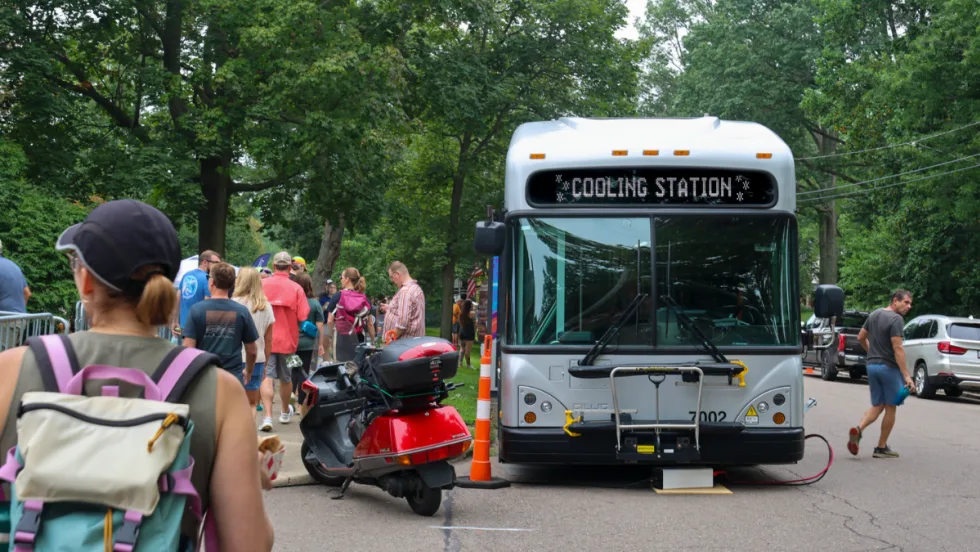
Ohio’s METRO RTA Turns Electric Buses into Mobile Power Sources at PorchROKR
See how three Gillig battery-electric buses powered festival stages while the agency’s new Park & Ride service carried approximately 1,000 attendees, demonstrating another potential use for transit agencies’ electric fleets.
Read More →
CALSTART and Forth Combine to Form Catalyst Mobility
The new name represents a renewed vision for the nonprofit focused on advancing clean, equitable, and affordable transportation solutions that move people and goods.
Read More →
Building a Flexible Path to Transit Electrification
John Hroncich discusses BAE Systems’ modular and scalable approach, lessons learned from decades of real-world operations, and how agencies can identify electrification strategies that fit their fleets.
Read More →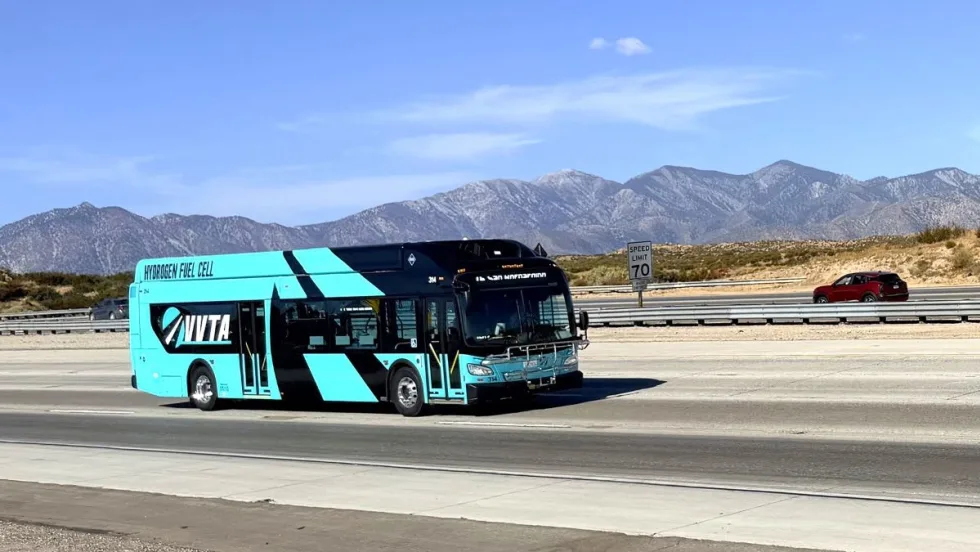
California's VVTA Begins Phased Rollout of Hydrogen Fuel Cell Buses
The agency is introducing 13 zero-emission buses into revenue service while evaluating performance across its urban, rural, and long-distance routes.
Read More →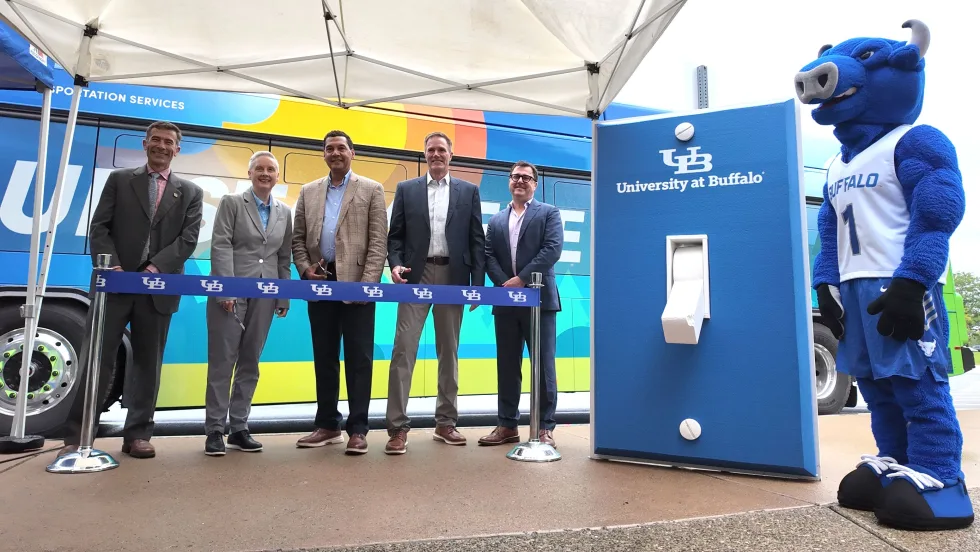
Inside Look: University at Buffalo Puts First 8 Electric Buses Into Stampede Service
UB, transportation solutions provider WeDriveU, and fleet electrification specialist Zenobē marked the deployment in the presence of students, university administrators, and local officials.
Read More →