



GILLIG Partnering to Add Hydrogen Fuel Cell Bus
The GILLIG hydrogen fuel cell bus, which is currently in development with BAE System and Ballard Power Systems, will provide transit agencies with zero-emission operational range, rapid refueling capabilities, and reliable performance in diverse climates and terrains.

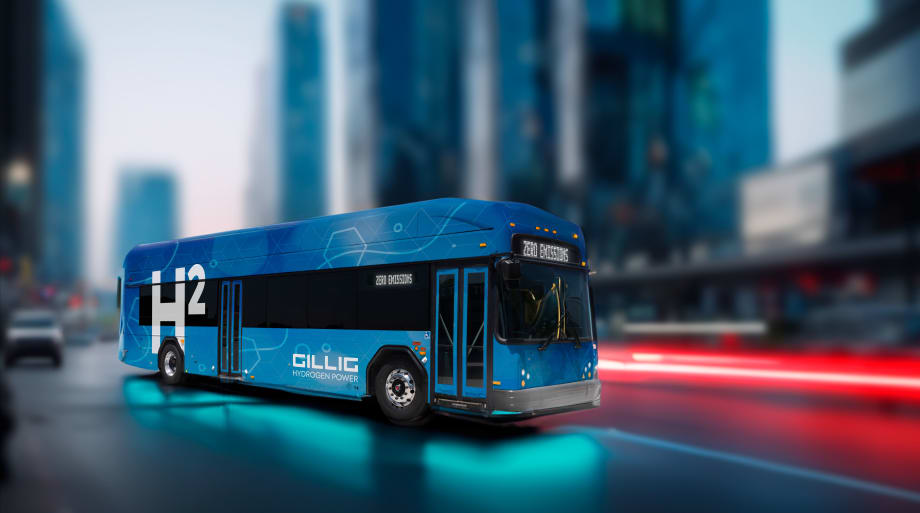
Scheduled to begin production in 2026, the GILLIG hydrogen fuel cell bus underscores the company’s unwavering dedication to designing, building, and supporting the nation’s safest and most reliable transit buses, according to a GILLIG press release.
Photo: GILLIG
GILLIG will expand its diverse transit bus portfolio with a hydrogen fuel cell-powered bus, to be developed in collaboration with BAE Systems and Ballard Power Systems.
The innovative venture underlines GILLIG's ongoing commitment to innovation, sustainability, and delivering adaptable, high-quality transit solutions tailored to the diverse needs of fleets nationwide.
"Understanding the unique operational challenges faced by each transit agency — from varying duty cycles and geographic terrains to diverse climates and depot locations — is fundamental to our vision of improving quality of life through transformative mass transit solutions," said Benjamin Grunat, GILLIG’s VP, product planning and strategy. "Introducing the hydrogen fuel cell bus into our product lineup signifies GILLIG's commitment to advancing sustainable public transportation technologies. It's about offering a solution that's not only flexible enough to fit every fleet but also matured through our thoughtful approach to product development, ensuring reliability and readiness for the demands of today's transit environment.”
GILLIG’s Hydrogen Fuel Cell Bus
The GILLIG hydrogen fuel cell bus, which is currently in development, will provide transit agencies with zero-emission operational range, rapid refueling capabilities, and reliable performance in diverse climates and terrains. As agencies evaluate their options for the future, this new offering broadens the horizon for those considering hydrogen as a zero-emission solution.
"Our collaboration with Ballard Power Systems and BAE Systems embodies our commitment to leading the industry through thoughtful innovation and intentional partnerships," said Grunat. "By integrating Ballard’s state-of-the-art fuel cell technology and BAE Systems' versatile electric powertrain with GILLIG's trusted Low Floor Platform, we are creating a long-range, zero-emission solution that does not compromise on safety, efficiency, or quality that transit agencies have come to expect from GILLIG.”
With the technical expertise of BAE Systems and Ballard Power Systems complementing GILLIG's zero-emissions leadership, GILLIG's new hydrogen fuel cell bus will be a significant step forward for sustainability in the American transit industry.
GILLIG’s Hydrogen Fuel Cell Partnership
The dynamic partnership aims to provide a market-leading, zero-emissions transit solution for fleets looking to leverage hydrogen fueling while maintaining operational efficiency and service quality, all with a bus manufacturer they know and trust.
"Reflecting on our decade of work with GILLIG, integrating our advanced powertrain systems has set a precedent for excellence and reliability in public transit," said Rob Dykema, director, North American transit accounts for power & propulsion Solutions at BAE Systems. "This new opportunity to deliver our technology for use on GILLIG’s hydrogen fuel cell bus is a thrilling next step that leverages our collective expertise for sustainable innovation. We're proud to continue this journey, enhancing the environmental footprint of public transportation together."
Scheduled to begin production in 2026, the GILLIG hydrogen fuel cell bus underscores the company’s unwavering dedication to designing, building, and supporting the nation’s safest and most reliable transit buses, according to a GILLIG press release.
More Zero Emissions
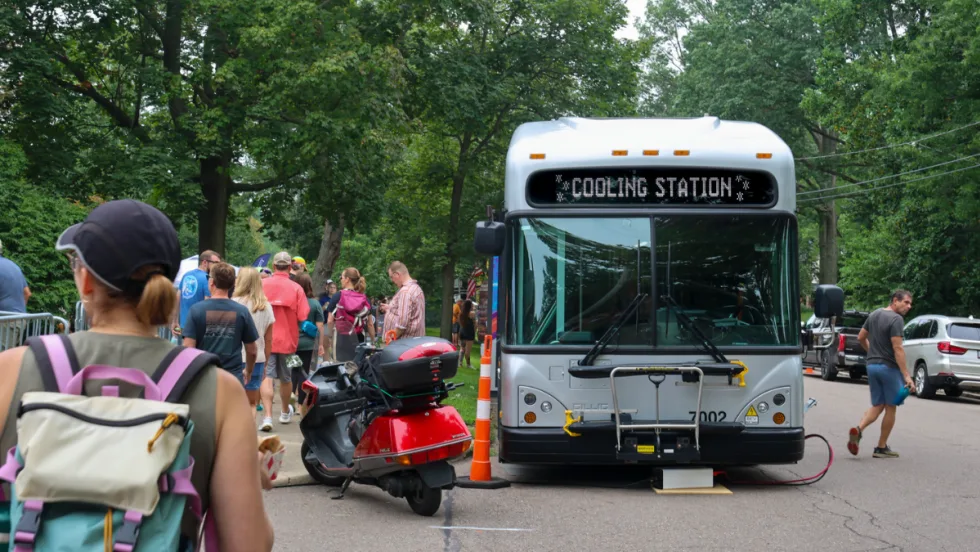
Ohio’s METRO RTA Turns Electric Buses into Mobile Power Sources at PorchROKR
See how three Gillig battery-electric buses powered festival stages while the agency’s new Park & Ride service carried approximately 1,000 attendees, demonstrating another potential use for transit agencies’ electric fleets.
Read More →
CALSTART and Forth Combine to Form Catalyst Mobility
The new name represents a renewed vision for the nonprofit focused on advancing clean, equitable, and affordable transportation solutions that move people and goods.
Read More →
Building a Flexible Path to Transit Electrification
John Hroncich discusses BAE Systems’ modular and scalable approach, lessons learned from decades of real-world operations, and how agencies can identify electrification strategies that fit their fleets.
Read More →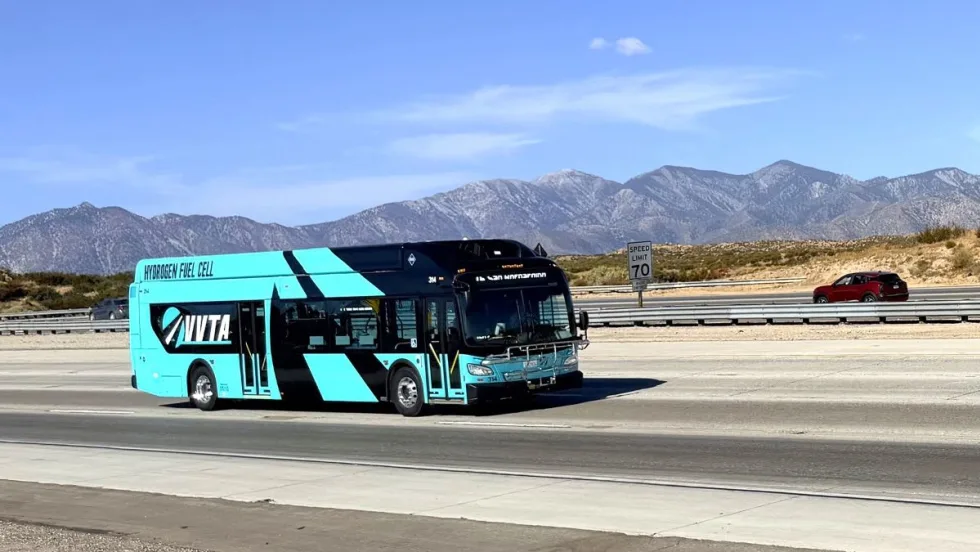
California's VVTA Begins Phased Rollout of Hydrogen Fuel Cell Buses
The agency is introducing 13 zero-emission buses into revenue service while evaluating performance across its urban, rural, and long-distance routes.
Read More →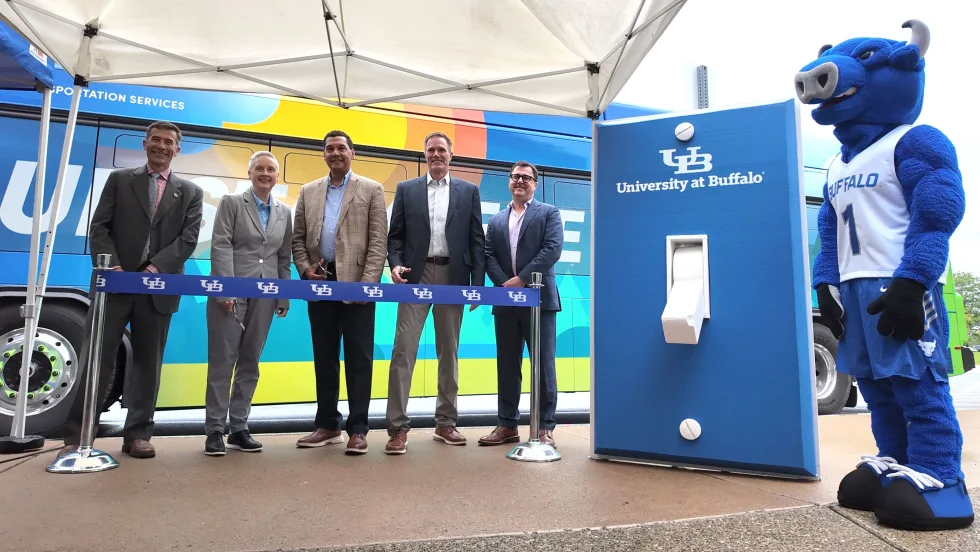
Inside Look: University at Buffalo Puts First 8 Electric Buses Into Stampede Service
UB, transportation solutions provider WeDriveU, and fleet electrification specialist Zenobē marked the deployment in the presence of students, university administrators, and local officials.
Read More →
Biz Briefs: OCTA Taps Clean Energy for Hydrogen Station, Stadler to Supply Via Rail Vehicles, and More
From manufacturers and suppliers to transit agencies and motorcoach operators, these updates offer a snapshot of the projects, partnerships and business moves driving the industry forward.
Read More →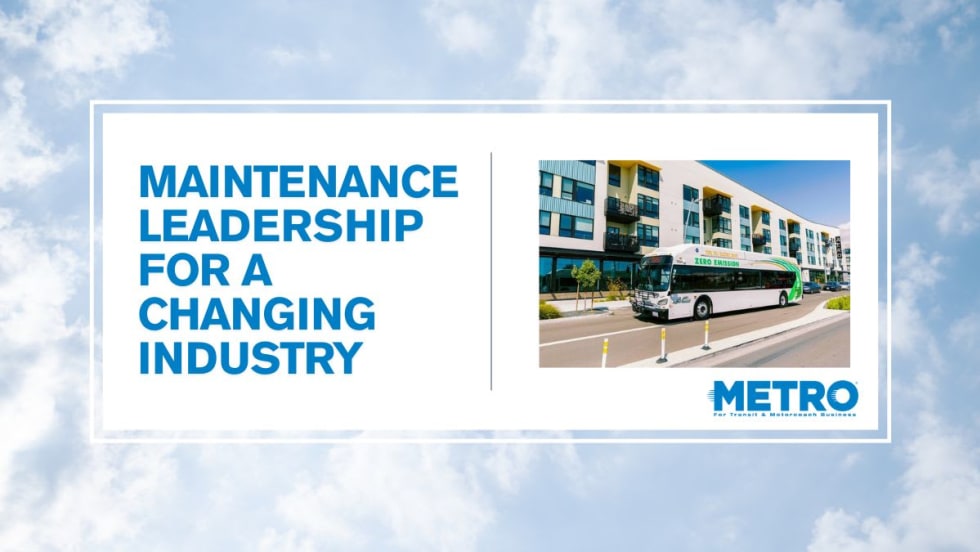
AC Transit’s Cecil Blandon on Building the Next Generation of Transit Maintenance Leaders
The agency’s maintenance chief discusses leadership, workforce development, zero-emission technology, and preparing technicians for the future of public transportation.
Read More →
CTDOT Taps STV for Electric Bus Facility Design
The firm will work with CTDOT and RVT to define the facility layout, operational requirements, and long-term flexibility for RVT’s growing electric fleet.
Read More →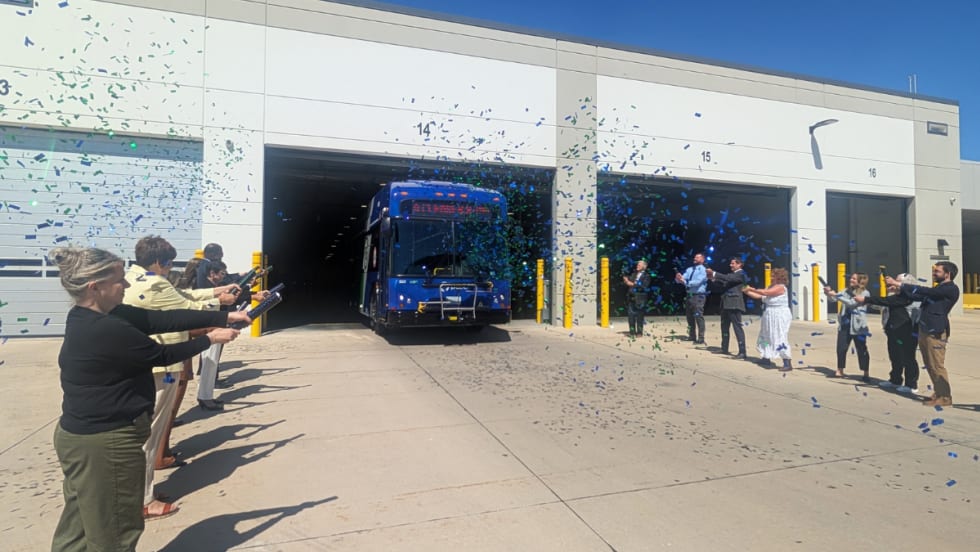
Chicago’s Pace Deploys 24 Hybrid-Electric Buses in Will County
The new buses reduce emissions and fuel consumption while advancing the agency's long-term goal of transitioning to a fully zero-emission fleet.
Read More →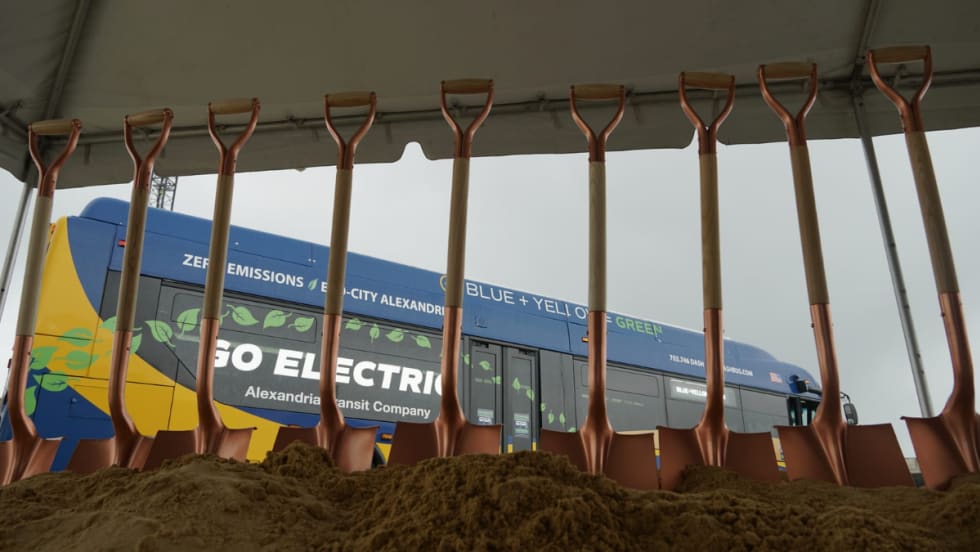
DASH Breaks Ground on First On-Route Electric Bus Chargers in D.C. Region
The fast-charging infrastructure will help extend electric bus range, improve fleet utilization, and support DASH's goal of transitioning to a fully zero-emission fleet.
Read More →