



GILLIG's Battery Electric Bus Clears Altoona Testing
The test report provides information that transit authorities can utilize to compare a vehicle against a standard of performance when making purchasing decisions.
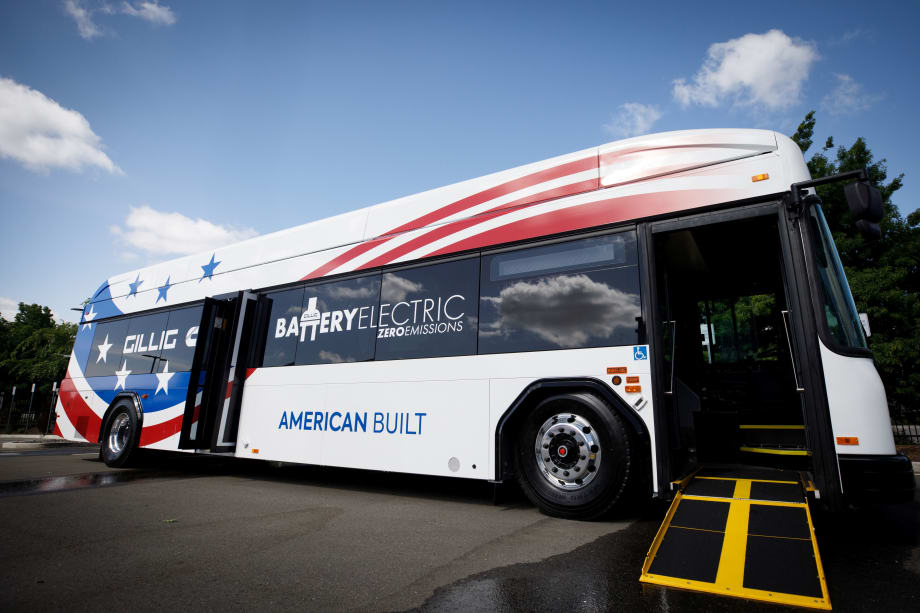
GILLIG's electric bus scored extremely well in all evaluated categories, turning in notable results in durability and performance.
GILLIG
GILLIG’s second-generation battery-electric bus completed the Federal Transit Administration’s Bus Test Program at the Larson Transportation Institute's Bus Research and Testing Center located in Altoona, Pa. The company’s electric bus scored extremely well in all evaluated categories, turning in notable results in durability and performance.
Altoona testing evaluates how well vehicles perform under conditions representative of the demanding duty cycles required of transit buses. The testing assesses areas of maintainability, reliability, safety, performance, vehicle structure, noise, and fuel economy. The test report provides information that transit authorities can utilize to compare a vehicle against a standard of performance when making purchasing decisions.
“We’re very pleased with these results which reinforce that we’re building an electric bus with industry-leading durability and performance,” said GILLIG President/CEO Derek Maunus. “With each generation of bus, we’re building upon capabilities while consistently delivering a reliable, cost-effective product to market.”
Built upon GILLIG’s proven Low Floor Platform, the bus underwent a robust design validation program prior to the Altoona test. The assessment included environmental testing in extreme climates, performance validation on challenging terrain, and a comprehensive structural analysis conducted on a shaker table and on an accelerated test track. The bus was also evaluated through finite-element predictive computer model analysis. Rigorous testing is a hallmark product development practice for GILLIG, with its proven engineering designs and all-American manufacturing going into the production of its buses.
“Transit agencies are telling us they appreciate the bus’s quality craftmanship, its safe and quiet operation, and how cost effective they are to operate,” added Maunus. “The exacting standards and disciplined validation program our team employed has resulted in an electric bus that can meet the daily demands of our customers.”
GILLIG’s experience with product electrification dates back to 2001 with diesel-electric hybrid and overhead trolley electric buses. The zero-emission battery-electric builds upon the legacy of excellence and proven transit performance of the more than 27,000 GILLIG buses in service throughout the U.S.
More Zero Emissions
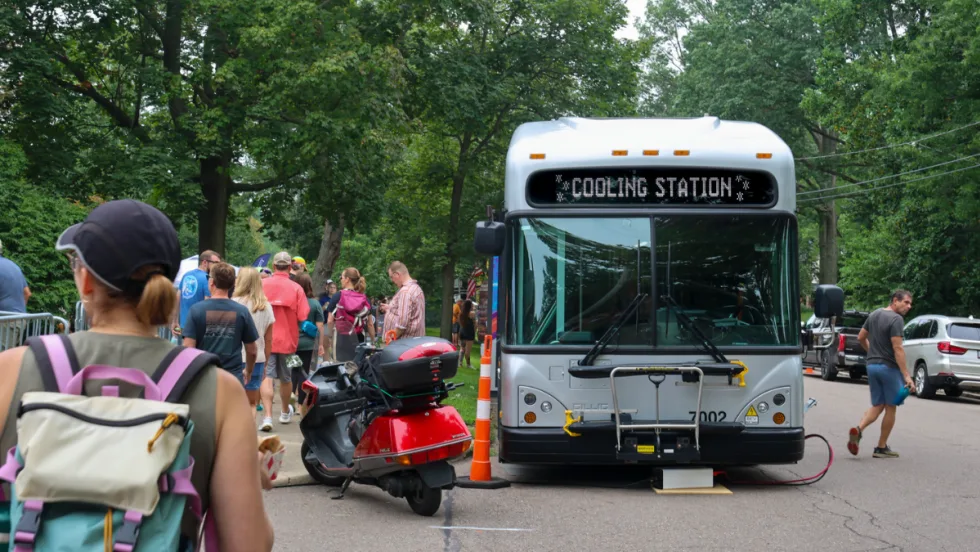
Ohio’s METRO RTA Turns Electric Buses into Mobile Power Sources at PorchROKR
See how three Gillig battery-electric buses powered festival stages while the agency’s new Park & Ride service carried approximately 1,000 attendees, demonstrating another potential use for transit agencies’ electric fleets.
Read More →
CALSTART and Forth Combine to Form Catalyst Mobility
The new name represents a renewed vision for the nonprofit focused on advancing clean, equitable, and affordable transportation solutions that move people and goods.
Read More →
Building a Flexible Path to Transit Electrification
John Hroncich discusses BAE Systems’ modular and scalable approach, lessons learned from decades of real-world operations, and how agencies can identify electrification strategies that fit their fleets.
Read More →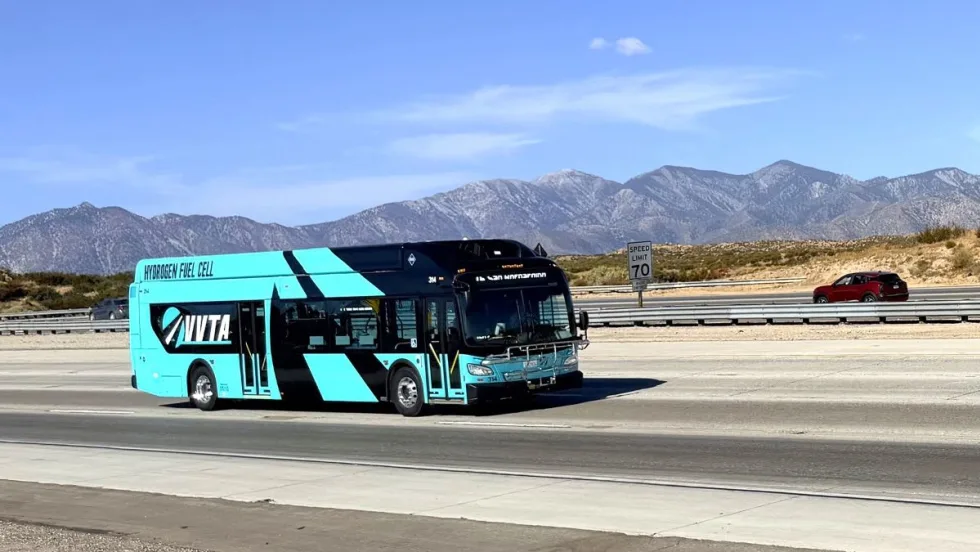
California's VVTA Begins Phased Rollout of Hydrogen Fuel Cell Buses
The agency is introducing 13 zero-emission buses into revenue service while evaluating performance across its urban, rural, and long-distance routes.
Read More →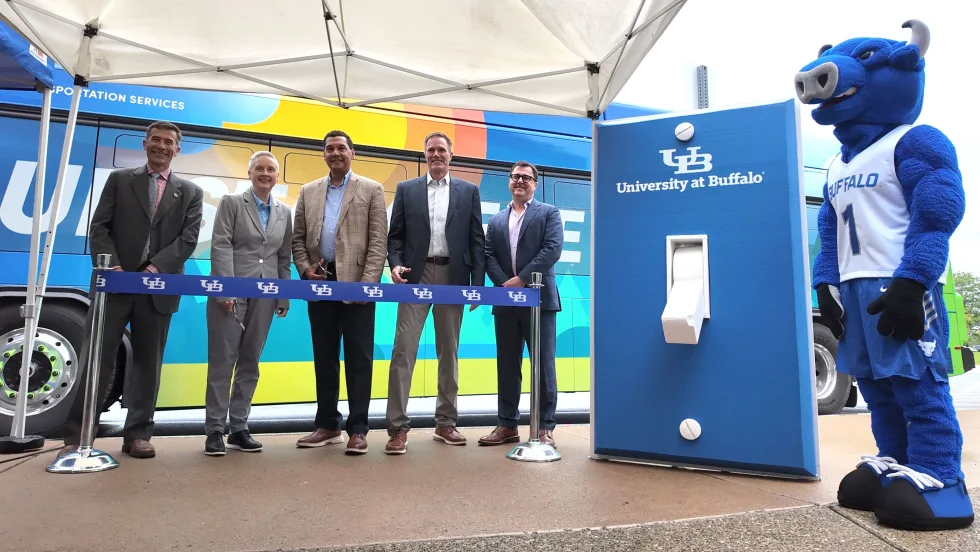
Inside Look: University at Buffalo Puts First 8 Electric Buses Into Stampede Service
UB, transportation solutions provider WeDriveU, and fleet electrification specialist Zenobē marked the deployment in the presence of students, university administrators, and local officials.
Read More →
Biz Briefs: OCTA Taps Clean Energy for Hydrogen Station, Stadler to Supply Via Rail Vehicles, and More
From manufacturers and suppliers to transit agencies and motorcoach operators, these updates offer a snapshot of the projects, partnerships and business moves driving the industry forward.
Read More →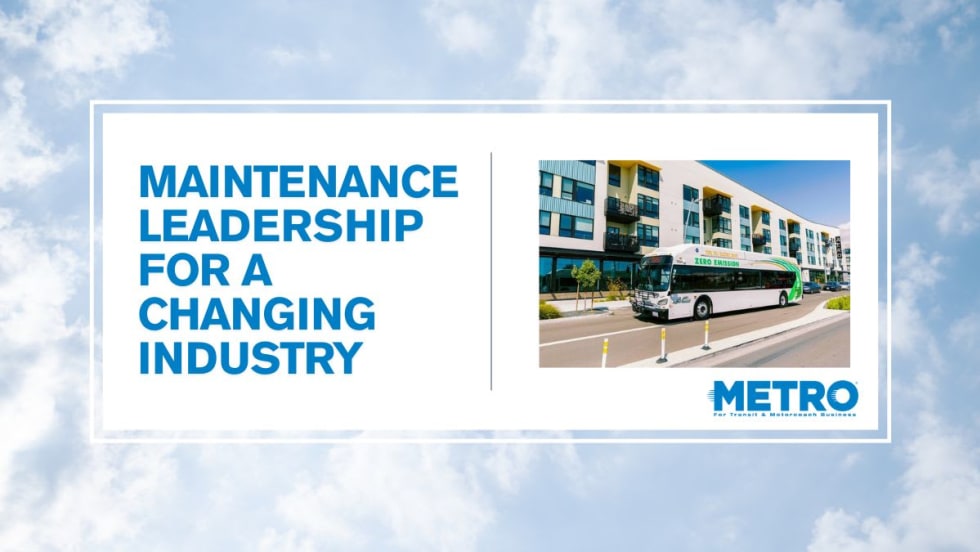
AC Transit’s Cecil Blandon on Building the Next Generation of Transit Maintenance Leaders
The agency’s maintenance chief discusses leadership, workforce development, zero-emission technology, and preparing technicians for the future of public transportation.
Read More →
CTDOT Taps STV for Electric Bus Facility Design
The firm will work with CTDOT and RVT to define the facility layout, operational requirements, and long-term flexibility for RVT’s growing electric fleet.
Read More →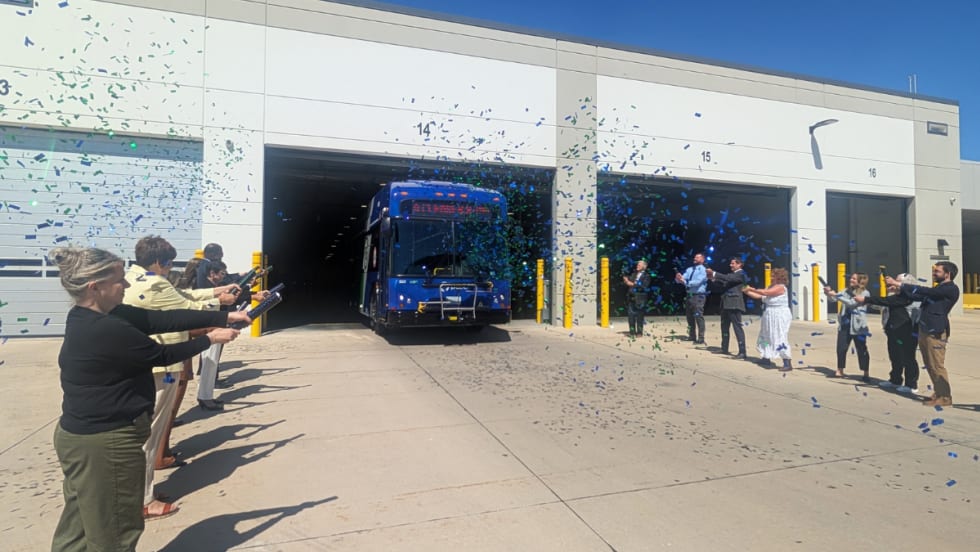
Chicago’s Pace Deploys 24 Hybrid-Electric Buses in Will County
The new buses reduce emissions and fuel consumption while advancing the agency's long-term goal of transitioning to a fully zero-emission fleet.
Read More →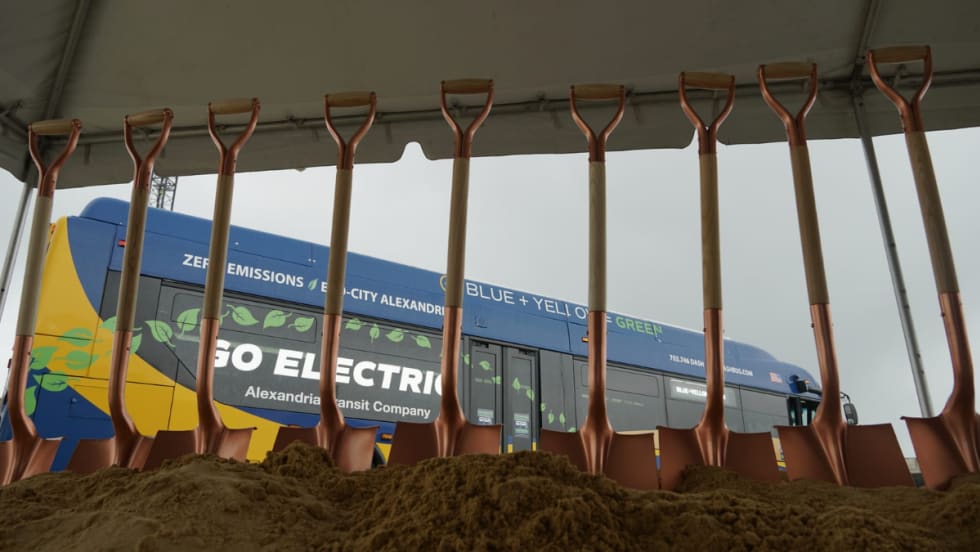
DASH Breaks Ground on First On-Route Electric Bus Chargers in D.C. Region
The fast-charging infrastructure will help extend electric bus range, improve fleet utilization, and support DASH's goal of transitioning to a fully zero-emission fleet.
Read More →