



High-speed rail event provides overview of current, future systems
During his keynote speech at the regional seminar held in Los Angeles, Federal Railroad Administrator Szabo said that high-speed rail was a "once in a lifetime opportunity to change the way American's travel."

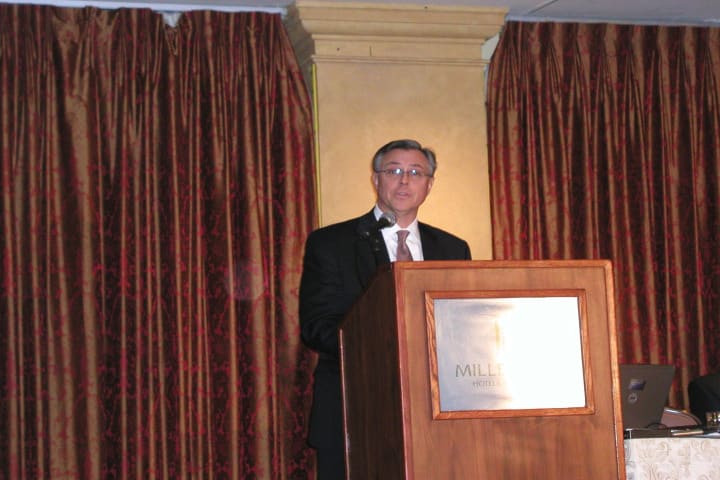
[IMAGE]szabo.jpg[/IMAGE]Last week, approximately 500 decision-makers attended three regional seminars — Washington, D.C.; Chicago and Los Angeles - on high-speed rail organized by the American Public Transportation Association (APTA) and the International Union of Railways (UIC), which included experts from around the world sharing their experience and knowledge, and FRA Administrator Joseph Szabo and FRA Deputy Administrator Karen Rae as keynote speakers.
The three high-speed regional workshops are the first set of seminars developed under a new partnership between APTA and UIC. The two groups signed a memorandum of understanding to work together in extensive information-sharing, covering the various technical, finance and management aspects of planning, building and operating high-speed rail systems.
"Each seminar was the equivalent of a graduate-level course in high-speed rail," said APTA President William Millar. "The first high-speed rail line was launched in Japan over 45 years ago, and there are 12 countries that operate high-speed rail systems today. The experience of UIC and the international high-speed rail experts is invaluable to the United States as we implement and adapt high-speed rail to our operating environment."
During his keynote speech in Los Angeles, Federal Railroad Administrator Szabo said that high-speed rail was a "once in a lifetime opportunity to change the way American's travel." Szabo also discussed the projects that received $8 billion in government funds and the points of focus for the upcoming National Rail Plan, as well as the importance for freight and passenger rail to work together for mutual success.
Other notable speakers during the three separate seminars, included Rep. Daniel Lipinski (D-Ill); Chicago Mayor Richard Daley; Anaheim, Calif. Mayor Curt Pringle; Frank Busalacchi, secretary of the Wisconsin Department of Transportation; and David Crane, special advisor to California Gov. Arnold Schwarzenegger.
While discussing the importance for a high-speed rail system and his excitement about its possibilities during a roundtable interview, APTA's Millar likened the upcoming rail plan as what it must have felt like in the 1950s when the U.S. embarked on creating a highway system or how NASA felt in the 1960s when they were sending men to the moon.
APTA and UIC developed the three regional seminars to provide U.S. decision-makers with the information necessary to implement high-speed rail. The seminars, titled "International Practicum on Implementing High-Speed Rail in the United States," gave participants a comprehensive overview of what it will take to build and operate high- and higher-speed rail systems in the U.S. and the planning and operational models that exist around the world.
More Rail
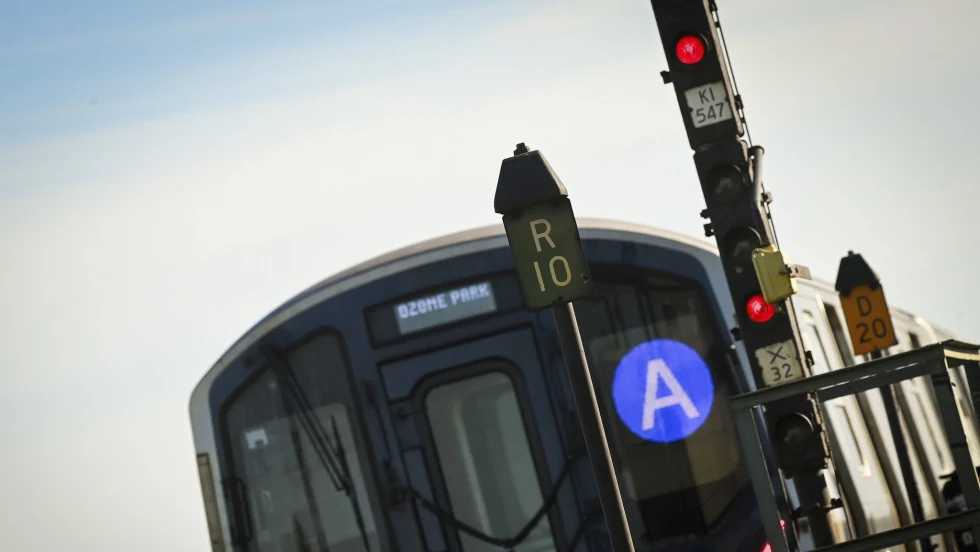
New York MTA Launches Historic $1.9B Signal, Track Modernization Project
Funded in part by congestion pricing revenue, the project will replace nearly century-old signals along the A and C lines in Brooklyn and Queens.
Read More →
LA Metro Breaks Ground on East San Fernando Valley Light Rail Project
The 6.7-mile line will add 11 stations along Van Nuys Boulevard, expand access to jobs and regional transit connections, and support Metro’s broader efforts to improve mobility as rail ridership grows.
Read More →
CSA Group Releases Climate Resilience Standard for Transit, Passenger Rail
Developed with support from the Standards Council of Canada, CSA D700 guides assessing climate-related risks and planning adaptation measures for transit and passenger rail systems.
Read More →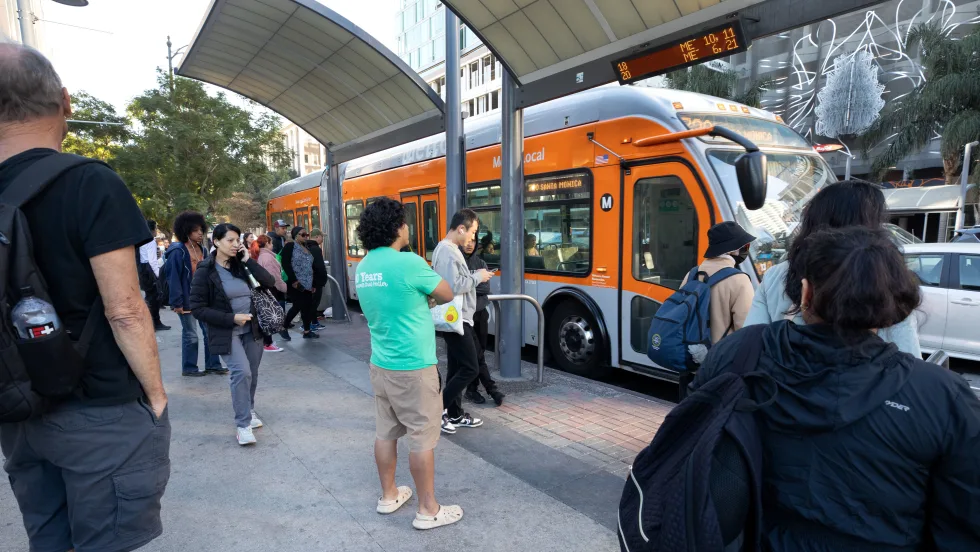
LA Metro September Ridership Climbs 3.9%, Led by Rail Growth
The agency recorded more than 27.2 million boardings, with rail ridership increasing 12.4% year over year and the D Line posting the largest gains.
Read More →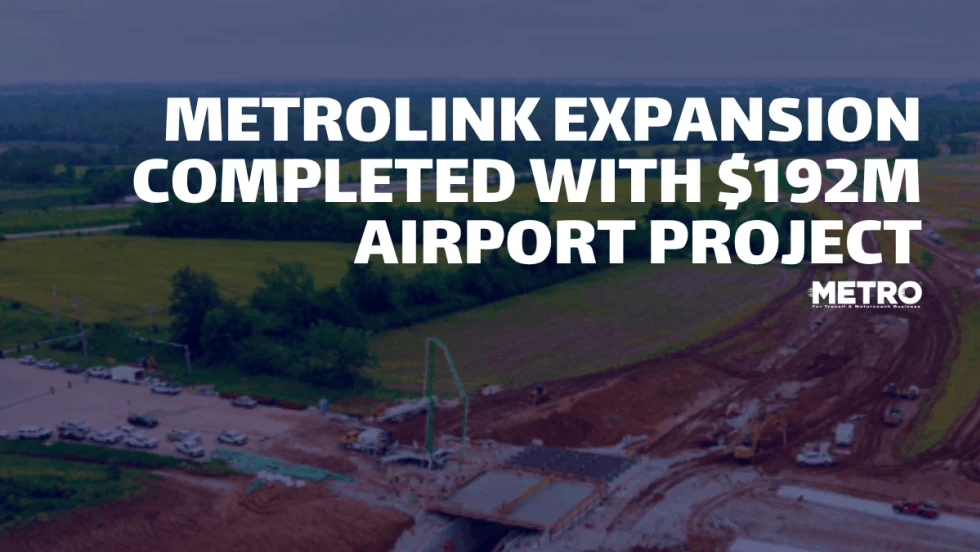
First Full MetroLink Rail Expansion Completed in 20 Years with $192M Airport Project
The project links two St. Louis-area airports by light rail while adding roadway and bike trail connections to improve regional access and mobility.
Read More →
Utilimarc Launches SmartReplace to Optimize Fleet Replacement Decisions
AI-powered SmartReplace helps fleets prioritize vehicle replacements, model budget scenarios, and build more defensible long-term strategies.
Read More →
Scenes from APTA TRANSform & EXPO 2026
Transit leaders, manufacturers, and industry professionals gathered in Chicago to explore new technologies, share ideas, and discuss the future of public transportation.
Read More →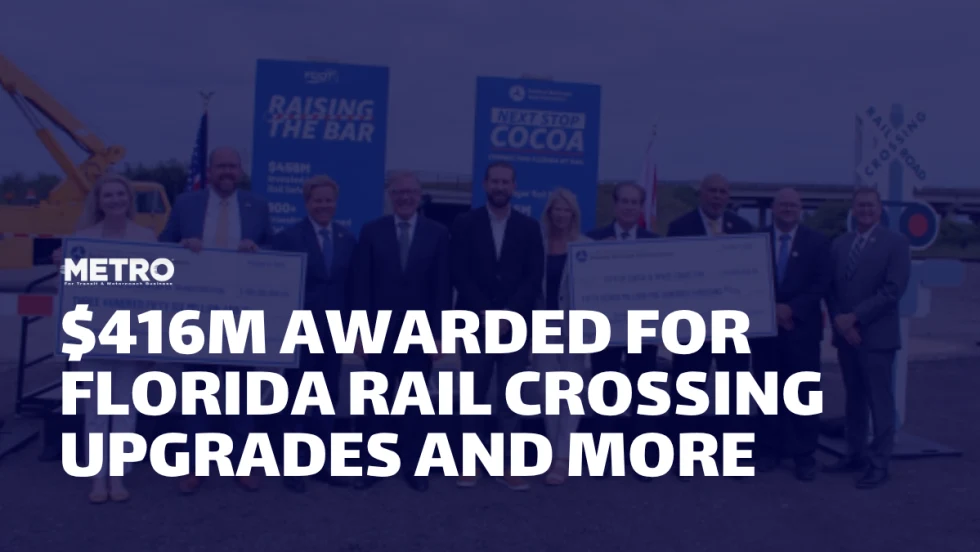
USDOT Awards $416 Million for Florida Rail Crossing Safety Upgrades, New Brightline Station
The projects aim to reduce risks for motorists and pedestrians at rail crossings while expanding passenger rail access along Florida’s Space Coast.
Read More →
OCTA Declares Emergency to Protect Rail Corridor From Coastal Erosion
The California agency is accelerating shoreline protection and plans to place approximately 690,000 cubic yards of sand along the San Clemente coast to protect a key passenger and freight rail link.
Read More →
More Than a Summer Job: Building the Next Generation of Transit Talent
The Delaware River Port Authority and PATCO have transformed their internship program into a hands-on professional development experience that introduces students to the breadth of transportation careers — and creates a pipeline for future employees.
Read More →