



Hybrid fuel cell bus enters service in California
The ThunderPower LLC bus achieves 7 to 11 miles per gallon, double the mileage of convential buses.

Coachella Valley, Calif.-based SunLine Transit Agency launched the first ever hybrid fuel cell bus to be put into revenue service in California last week. The ThunderPower LLC bus, a joint venture between Thor Industries and ISE Research, uses a fuel cell instead of an engine. The fuel cell runs on hydrogen from renewable sources (such as wind or solar power) and air to produce electricity to power the 30-foot bus. The electricity produced by the fuel cell is routed to electric motors that turn the wheels through the differential. The bus achieves 7 to 11 miles per gallon, double the mileage of convential buses. A regenerative braking technology increases operating efficiency 20% to 30% by using motors to generate electricity during the braking process. The electricity is then stored in battery packs until acceleration is necessary. Other key funding and technology partners in the project include the U.S. Department of Transportation, Sacramento Municipal Utility District, CalStart, South Coast Air Quality Mangement District, El Dorado National, UTC Fuel Cells, Siemens, Quantum Technologies and SunLine Transit Agency.
More Management

CTDOT Taps STV for Electric Bus Facility Design
The firm will work with CTDOT and RVT to define the facility layout, operational requirements, and long-term flexibility for RVT’s growing electric fleet.
Read More →
USDOT Awards $170M for Transit Projects in Latest BUILD Grants
Federal funding will support maintenance facility upgrades and other projects aimed at improving transit safety and reliability across the U.S.
Read More →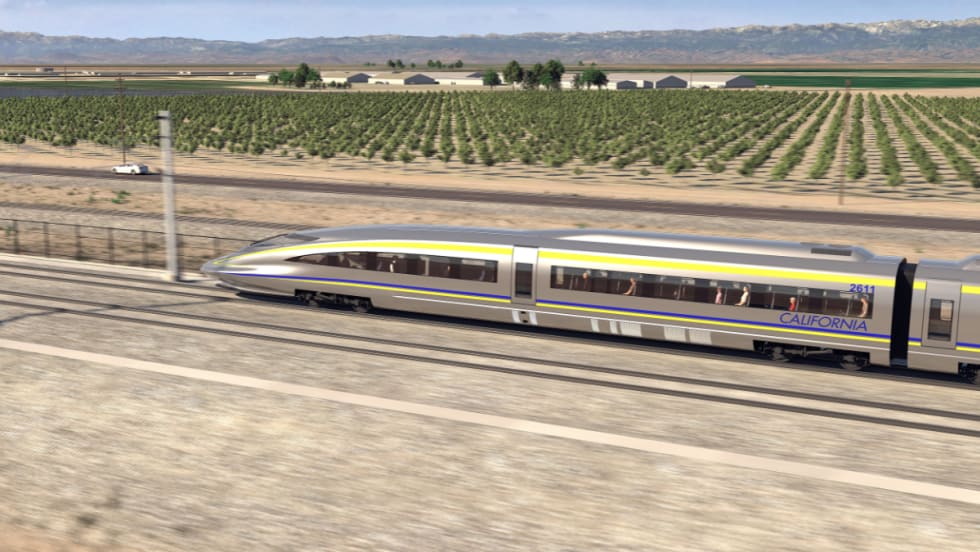
Keolis and SNCF Voyageurs Bring Rail Expertise to California High-Speed Rail
The CDA establishes a collaborative predevelopment partnership intended to evaluate future delivery opportunities through public-private partnership models.
Read More →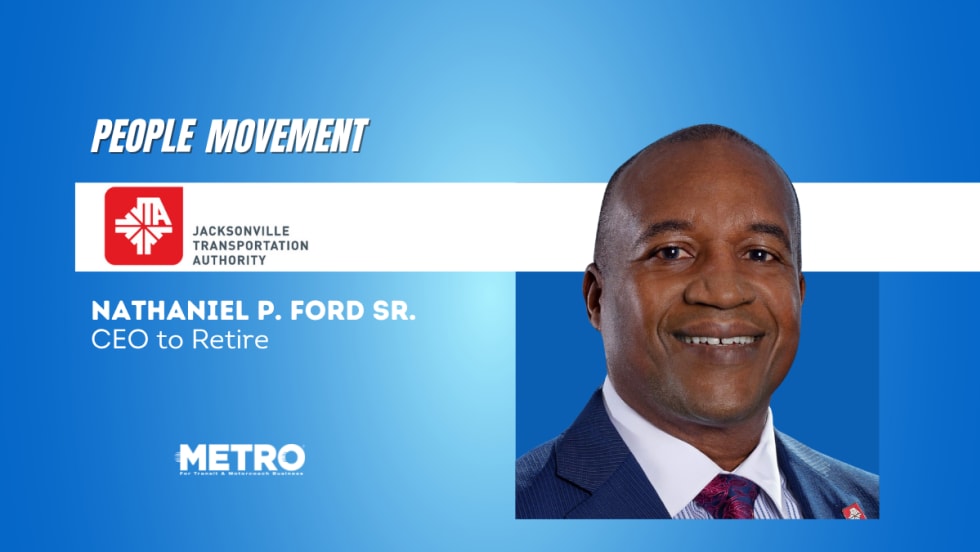
Ford to Leave JTA After More Than 10 Years as CEO
He plans to continue his work advancing innovative mobility solutions to improve the quality of life in communities across the nation. He did not announce specific plans.
Read More →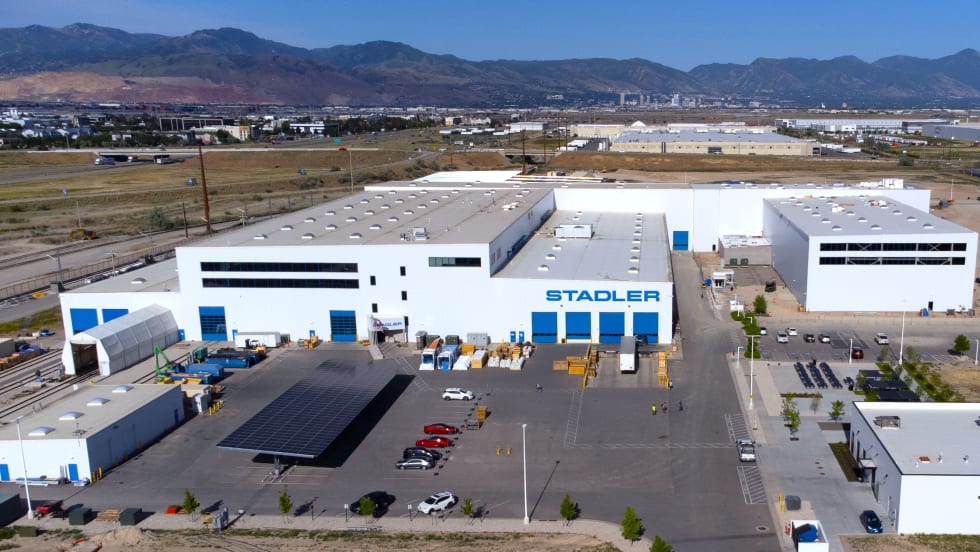
Stadler Marks 10 Years in the U.S. with Salt Lake City Expansion
The expansion is expected to create up to 300 new local jobs, some of which are youth apprenticeships, said Stadler officials.
Read More →
Hitachi Rail Completes Acquisition of Intelligent Transportation Systems Provider Clever Devices
The acquisition expands Hitachi Rail's North American presence and multimodal capabilities, combining rail and bus technologies to deliver more integrated digital solutions for transit agencies.
Read More →
Utah Transit Authority Adopts New Governance Model
State leaders said the changes will improve oversight, coordinate transportation investments, and support expanding transit service across the Wasatch Front.
Read More →
Federal Highway Administration Seeks Public Input on Future of Interstate System
The initiative invites feedback on new routes, major upgrades, and emerging transportation needs, including issues that could affect public transit and motorcoach operations.
Read More →
New York MTA to Replace Three East End LIRR Bridges
Each structure, built between 1895 and 1921, serves vehicular traffic over the LIRR’s Montauk Branch.
Read More →
Transit Pilot Offers Lessons for Expanding Mobility Access
An Urban Institute evaluation found that a fare-free transit program increased ridership, reduced transportation barriers, and improved access to jobs, healthcare, and other essential services.
Read More →