



It's Diesel vs. Natural Gas in Harvard Study, Calif., NY Look at Phasing Out Diesel
There is no clear advantage between choosing diesel fuel or natural gas for heavy-duty vehicles, said a study done by the Harvard Center for Risk Analysis.

There is no clear advantage between choosing diesel fuel or natural gas for heavy-duty vehicles, said a study done by the Harvard Center for Risk Analysis. Although diesel is the fuel of choice, natural gas has sprung up as an environmentally efficient alternative for fuel. The study shows that diesel may not be as bad and natural gas not as good as many imagine. "Neither fuel is clearly superior," said Edmond Toy, lead author of the study. "It depends on what the transit agency is most interested in." When it comes to pollution, diesel is better for reducing greenhouse gases and natural gas for reducing particulate and oxides of nitrogen (NOx) pollution. Natural gases produce ultra fine particles that have a more negative impact on health than those produced by diesel. Natural gas also combusts more completely than other fuels because it is made primarily of methane, a relatively simple molecule. On the other hand, methane is about 20 times more potent as a greenhouse gas than carbon dioxide (CO2). Diesel leads in efficiency, as it converts a large fraction of the available energy into useable work. In that way, diesel engines consume less fuel overall. Natural gas has a poor fuel economy as well as limited sites for refueling. Diesel also has safety advantages over natural gas, which is a more flammable and explosive fuel to handle and store, said the study. In Europe, diesel is favored to help stabilize CO2 and other greenhouse gas emissions, according to the study. European regulators are using tax incentives and emissions standards to encourage the use to new cleaner-burning diesel fuels. The study was commissioned by Navistar International and can be viewed in its entirety at www.hsph.harvard.edu. The study has lead major transit agencies to rethink their policies. In California, the merits of using cleaner burning diesel and alternative fuels are being looked at by the California Air Resources Board. CARB proposed a rule to require public bus fleets—specifically transit and urban buses—to use those two fuel types. If adopted, transit agencies would be able to choose between clean diesel and alternative fuels to help reduce the amount of soot emitted by diesel buses. Such a move could have widespread economic implications, especially since California's economy is in many ways reliant on diesel, California Chamber of Commerce Vice President, Government Relations Jeanne Cain told CARB. "Ultimately, we believe reductions in diesel emissions are important to achieve clear air, but should be done in a way that does not jeopardize the state's economic base or place us at a competitive disadvantage with other states," Cain said. "We believe standards should provide flexibility while getting the most 'bang-for-the-buck.'" Cain recommended that CARB further study the economic impacts of the proposal and to set an overall state policy regarding diesel fuel and alternative fuel standards. Converting buses from diesel to natural gas costs anywhere from $35,000 to $70,000. Under CARB's proposal, 85% of the soot emitted by new diesel buses would be eliminated over the next decade. In anticipation of such changes, ARCO Products Co. began offering a cleaner burning diesel fuel, aimed specifically at helping reduce soot emissions from urban municipal fleets in Southern California. "ARCO, in supporting CARB's efforts, continues to see diesel as a viable fuel of the future, and is committed to providing a diesel product in Southern California that will enable engine and bus manufacturers to meet the new, very tight emission standards that will likely be set next year," said Roger Truitt, president of ARCO Products Co. Meanwhile, the staff of the New York City Transit Authority has recommended, "Until more is known, NYCT should not be required to commit fully to CNG buses." This report also cited the tremendous infrastructure conversion costs and safety questions surrounding CNG. "Considering the explosive growth in bus ridership since 1996, NYCT needs buses now and cannot wait several years to expand its fleet...Cost is a consideration. NYCT would need to spend hundreds of millions of dollars to convert its depots and to replace the bus capacity that would be lost under an all-CNG plan. Annual operating and maintenance expenses appear to be higher for CNG buses than they are for diesel buses. Other agencies have encountered similar issues and have cancelled their CNG programs as a result," the report added.
More Management
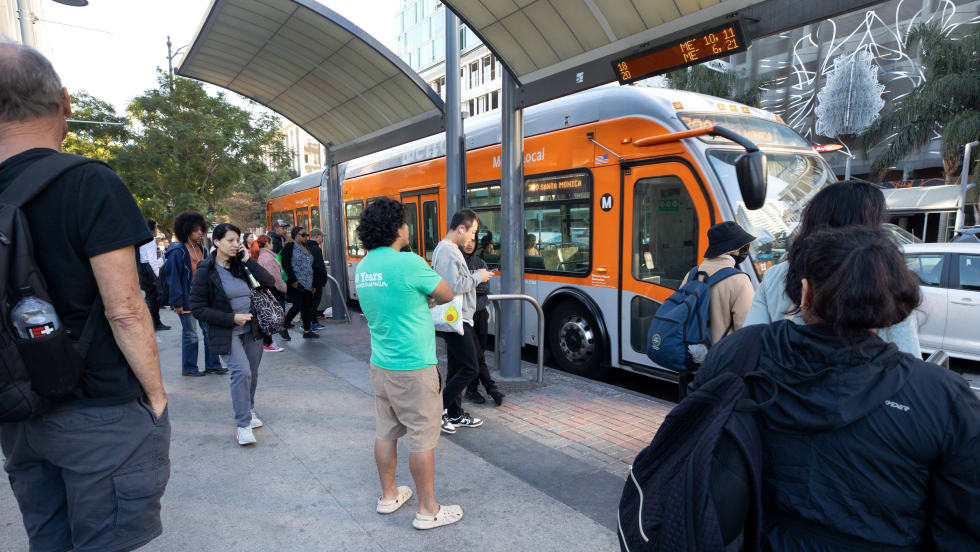
LA Metro Ridership Continues Growth as Rail Gains Accelerate
New rail connections and major events help drive continued ridership gains, with Metro recording its eighth consecutive month of year-over-year rail growth.
Read More →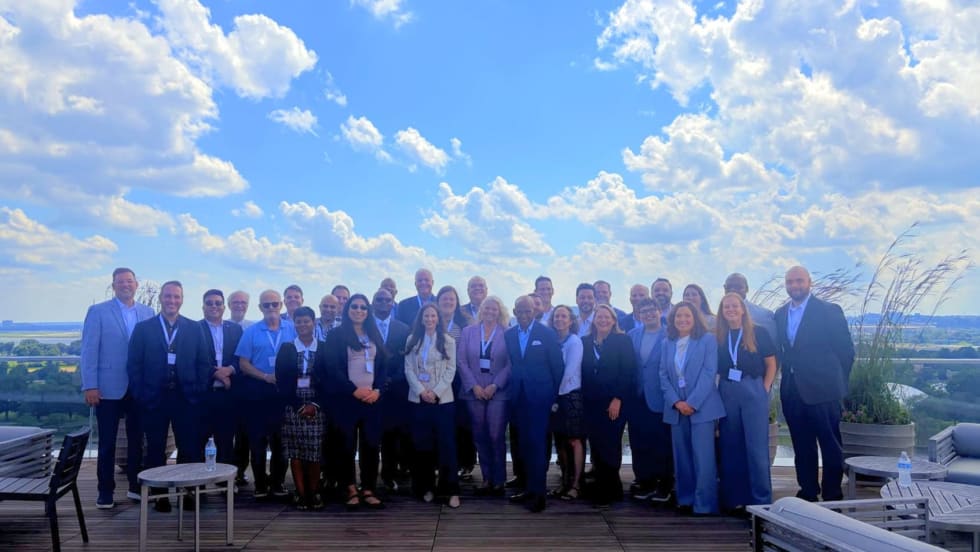
TransDASH Summit Focuses on Measuring What Matters in Transit
Transit agencies unveil a national performance platform designed to benchmark customer experience, safety, community value, and other outcomes.
Read More →
Jacksonville’s NAVI Project Charts a New Course for Autonomous Public Transportation
Through its NAVI program, JTA is showing how autonomous vehicles, intelligent infrastructure, and coordinated operations can work together to deliver everyday public transportation.
Read More →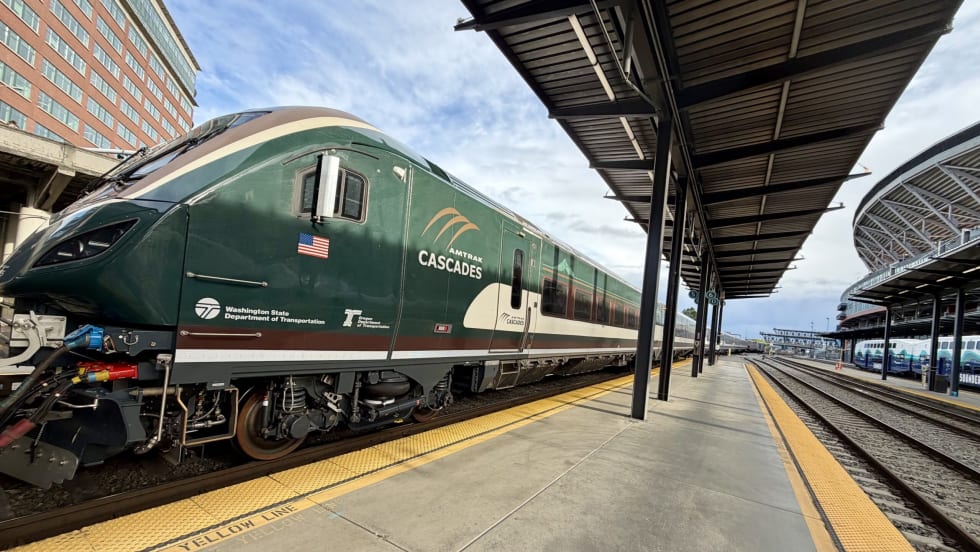
FRA Announces $5.3B in Rail Investments, Including $2B for Amtrak
Funding will support grade-crossing improvements, infrastructure upgrades, and new Amtrak equipment in 23 states.
Read More →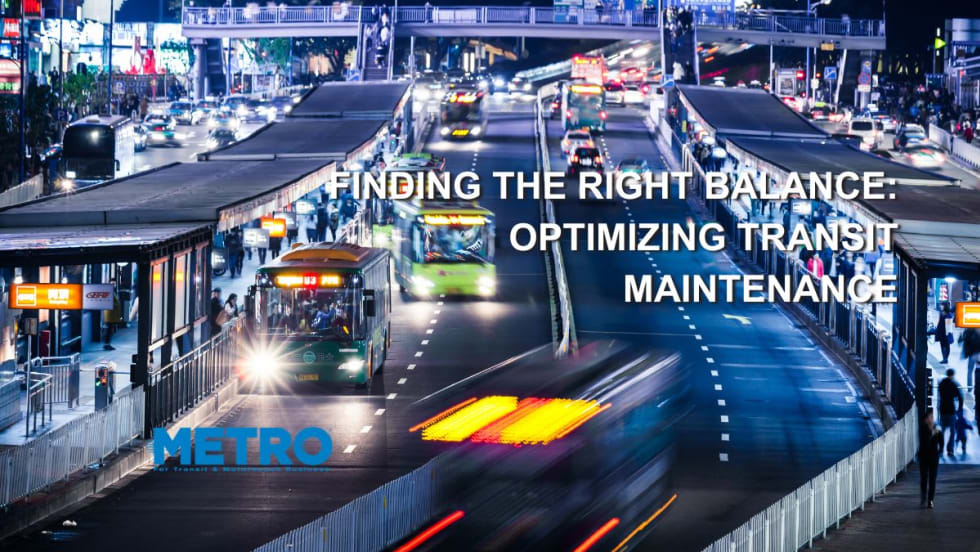
Finding the ‘Happy Medium’: Optimizing Maintenance Without Sacrificing Reliability
The key to maintenance optimization isn’t doing less work—it’s doing the right work at the right time on the right assets.
Read More →
People Movement: MARTA Drops Interim Tag on GM/CEO Hunt and More
In this edition, METRO covers recent appointments and announcements at the FMCSA, HDR, SilverRide, and more, showcasing the individuals helping to shape the future of transportation.
Read More →
VIA Metropolitan Transit Reports 2 Million More Passenger Trips as Better Bus Plan Gains Momentum
San Antonio's transit agency said accelerated service improvements are driving ridership growth, offering another example of how increased frequency and workforce investments can translate into stronger transit performance.
Read More →
ABAF Study Reveals Growing Insurance Crisis for Motorcoach Operators
Preliminary findings show 98% of operators faced premium increases over the past five years, while shrinking insurer participation is putting added pressure on businesses and customers.
Read More →
PSTA Modernizes Workforce Management with Digital Bidding System
The award-winning Workforce Transit Modernization project replaced paper bidding with a transparent digital platform, cutting administrative effort while improving access for operators.
Read More →
Chicago to Host Public Transportation's Biggest Gathering at APTA TRANSform & EXPO 2026
North America’s largest public transportation gathering returns to Chicago, connecting transit decision-makers with the technologies, ideas, and partnerships driving the industry forward.
Read More →