



L.A. Metro breaks ground on TOD project
The project is part of Metro's Joint Development Program, which seeks to secure the most appropriate private and/or public sector development on Metro-owned property at and adjacent to transit stations and corridors.

The Los Angeles County Metropolitan Transportation Authority (Metro), McCormack Baron Salazar, the Los Angeles Housing Partnership, Polis Builders and Goldman Sachs Urban Investment Group announced the construction start on Phase I of a new mixed-income, mixed-use, transit-oriented development (TOD) located one block east of Metro's Westlake/MacArthur Park Metro Rail Station entrance.
The project is part of Metro's Joint Development Program, which seeks to secure the most appropriate private and/or public sector development on Metro-owned property at and adjacent to transit stations and corridors.
The Westlake/MacArthur Park neighborhood, located just two miles west of Downtown Los Angeles, has seen housing costs rise and quality affordable housing diminish. The neighborhood is one of the most densely populated in the city with a significant lower income population. The majority of residents are recent immigrants from Central America, who rely heavily on public transportation.
Phase I, the initial phase of a two-phased development effort, will contain 90 units of affordable rental housing above approximately 15,000 square feet of ground floor retail space and residential, retail and commuter parking. The commuter parking will consist of 100 spaces, partially funded by Metro, that are intended for use by Metro Rail commuters. The total development costs for Phase I is approximately $45 million.
The second phase of the development will be constructed directly over the Metro Rail station entrance, and will be comprised of 82 affordable housing units, a retail component and associated parking.
In addition to offering residents the convenience of multiple modes of public transit, Phase I will be a "green" design meeting LEED Silver requirements that include using recycled materials, high energy efficient heat and cooling systems and dual glazed windows, water saving fixtures, non-toxic paints and materials, and R-19 insulation. Market rate amenities such as washer and dryer, dishwasher, central air and heat, free high-speed internet are standard in each unit. In addition, each household will receive a free monthly Metro pass.
More Bus

Finding the ‘Happy Medium’: Optimizing Maintenance Without Sacrificing Reliability
The key to maintenance optimization isn’t doing less work—it’s doing the right work at the right time on the right assets.
Read More →
LA Metro, City of West Hollywood, and Partners Advance Smarter Bus Lane Enforcement
The award-winning partnership combines AI-powered detection with human oversight to improve bus reliability, accessibility, and enforcement efficiency.
Read More →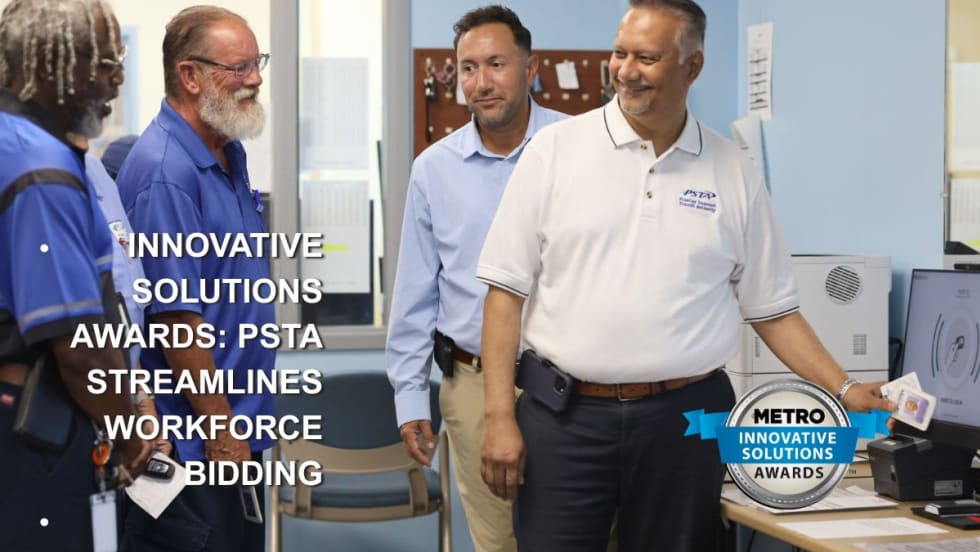
PSTA Modernizes Workforce Management with Digital Bidding System
The award-winning Workforce Transit Modernization project replaced paper bidding with a transparent digital platform, cutting administrative effort while improving access for operators.
Read More →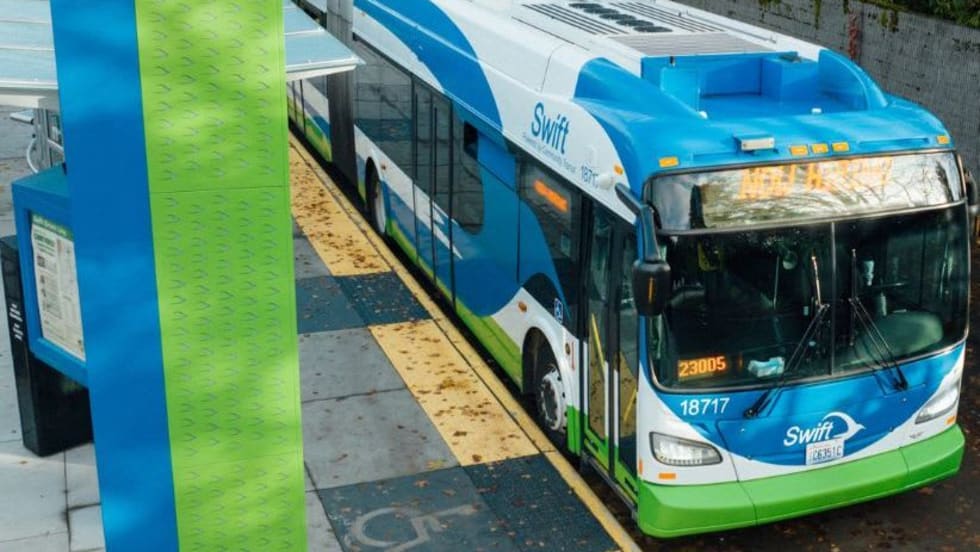
Washington's Community Transit Sets Six-Year Roadmap for Growth, Expansion
Approved TDP targets more bus service, new mobility options, Swift BRT expansion, and a potential Everett Transit annexation.
Read More →
DART Customer Satisfaction Reaches Six-Year High
Overall satisfaction rose to 74.9%, while the agency’s Net Promoter Score reached a record 33.7.
Read More →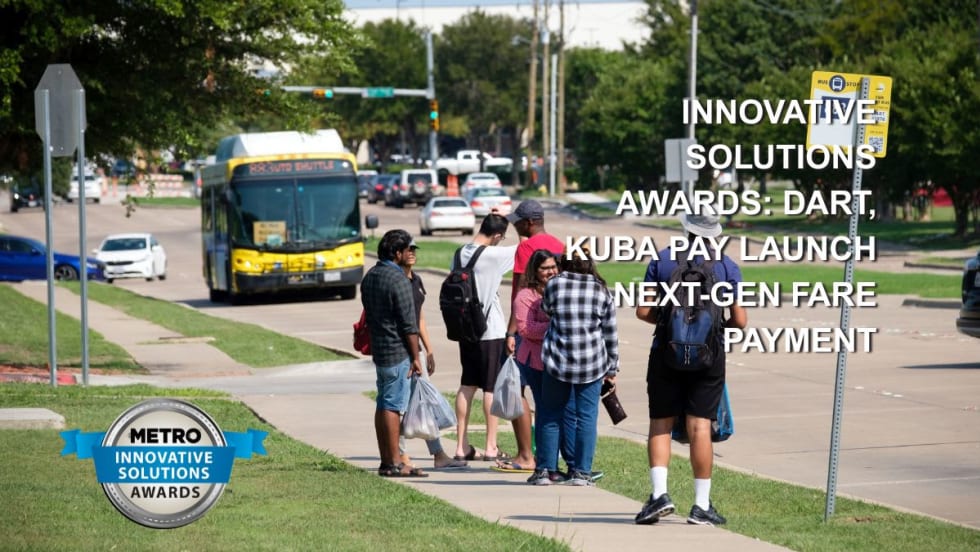
How DART's GoPass Is Redefining Regional Mobility
Serving 14 transit agencies, GoPass simplifies multimodal travel by allowing riders to plan, pay for, and manage an entire trip through one app.
Read More →
Biz Briefs: OCTA Taps Clean Energy for Hydrogen Station, Stadler to Supply Via Rail Vehicles, and More
From manufacturers and suppliers to transit agencies and motorcoach operators, these updates offer a snapshot of the projects, partnerships and business moves driving the industry forward.
Read More →
METRO Magazine Announces 2026 Innovative Solutions Awards Winners
Projects Recognized for Advancing Mobility Through Technology, Accessibility, Workforce Innovation, and Operational Excellence
Read More →
Biz Briefs: STV teams with Amtrak, Motorcoach Operators Boost Fleet and Land Contracts, and More
From manufacturers and suppliers to transit agencies and motorcoach operators, these updates offer a snapshot of the projects, partnerships and business moves driving the industry forward.
Read More →
LA Metro Marks Banner Year, Sets Ambitious Goals for New Fiscal Year
Incoming LA Metro Board Chair and Los Angeles Mayor Karen Bass joined outgoing Board Chair Fernando Dutra and LA Metro CEO Stephanie Wiggins to review accomplishments from fiscal year 2026, which included the opening of new rail extensions, advancement of major transit projects, expanded safety programs, and new rider amenities.
Read More →