



LaHood: Detroit's M-1 project can move forward
The funds support construction of a planned 3.3-mile streetcar line to help revitalize Detroit’s historic Woodward Avenue corridor.

U.S. Transportation Secretary Ray LaHood announced Detroit’s M-1 Rail project can move forward immediately using the $25 million TIGER grant previously awarded for transit.
The funds support construction of a planned 3.3-mile streetcar line to help revitalize Detroit’s historic Woodward Avenue corridor. M-1 Rail, a coalition of private-sector philanthropic and business leaders, has committed more than $100 million toward construction and operation of the $137 million project. The remainder will be funded by state and local sources.
LaHood also announced an additional $6.5 million in Federal Transit Administration (FTA) planning funds available from prior fiscal years to help Michigan develop a bus rapid transit (BRT) network to expand transit options connecting downtown Detroit with its suburbs and key destinations in the region.
The streetcar funding announcement comes just weeks after Gov. Rick Snyder signed into law critical legislation creating a Regional Transportation Authority (RTA) to develop and more efficiently operate public transportation projects in metropolitan Detroit and across the state.
The Woodward Avenue streetcar line will be constructed and initially operated by the nonprofit M-1 Rail Corporation – a consortium of local private businesses, foundations, and public and private institutions committed to improving mobility and supporting economic development along lower Woodward Avenue. Investors include the Kresge Foundation, the Penske Corporation, Quicken Loans and a dozen other benefactors.
The streetcar line is expected to include 11 stations, with connections to Campus Martius, Comerica Park (home of the Detroit Tigers), the Detroit Medical Center area and Wayne State University. The City of Detroit, the Michigan Department of Transportation and the Southeastern Michigan Council of Governments will also be involved in moving the project through development and construction.
FTA’s planning funds will help to develop a BRT network to connect downtown Detroit with Macomb County along the region’s busiest transit corridor; expand east-west transit service between Macomb and Oakland counties, and extend transit service between downtown, Detroit Metropolitan Wayne County Airport and Washtenaw County.
More Bus
Biz Briefs: New Flyer Delivers in Columbus, Houston, Beep and Freebee Merge, and More
In this edition of Biz Briefs, we spotlight the latest developments shaping the future of mobility.
Read More →
People Movement: Dan Dipert Coaches Adds Third-Generation Leader, Keolis Names New Valley Metro VP/GM, and More
In this edition, we also cover recent appointments and announcements at the Wabtec, SilverRide, HNTB, and more, showcasing the individuals helping to shape the future of transportation.
Read More →
New York MTA Plans Largest Bus Fleet Upgrade in More Than a Decade
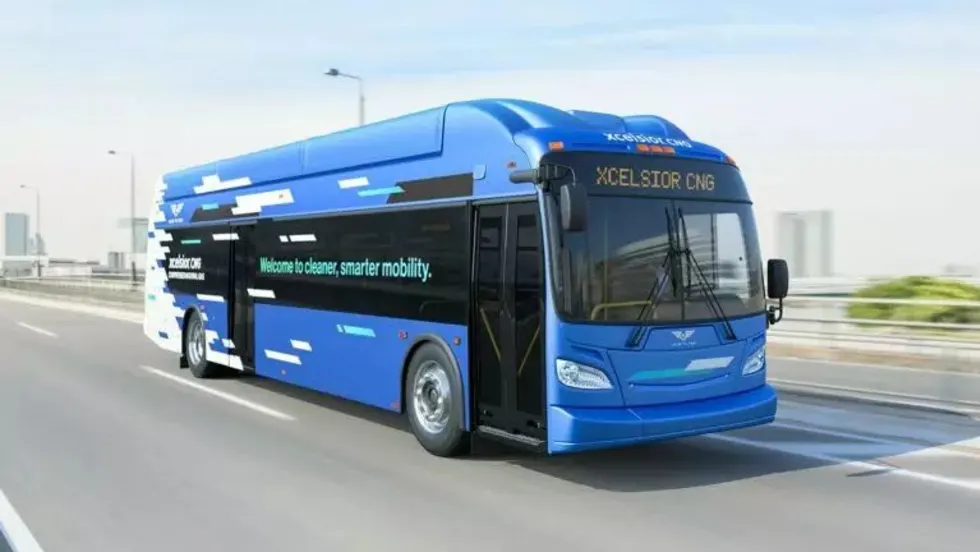
The agency is seeking manufacturers for 650 new CNG buses to replace aging vehicles, improve reliability, and advance its broader fleet modernization strategy.
Read More →
Building a Flexible Path to Transit Electrification
John Hroncich discusses BAE Systems’ modular and scalable approach, lessons learned from decades of real-world operations, and how agencies can identify electrification strategies that fit their fleets.
Read More →
Bus Tech Talk: Keeping Transit Technicians Ahead of the Technology Curve
LA Metro’s Obed Mejia discusses technician training, evolving maintenance technology, fleet replacement, and strategies for getting the most out of today’s transit fleets.
Read More →
Biz Briefs: RIPTA Unveils New Frontrunners, Clevland RTA Adds New Siemens, and More
In METRO's latest installment, we take a look at recent news from Siemens, Prevost, Dodge, and more partnerships making headlines across the transportation sector.
Read More →
People Movement: Holly Arnold Joins Transdev and More
In this edition, we also cover recent appointments and announcements at Pace, CamTran, MCI, and more, showcasing the individuals helping to shape the future of transportation.
Read More →
The High Cost of Transit Buses: Industry Leaders Look to Procurement Reform
Transit leaders and policymakers examine how standardized bus designs, streamlined procurement, and predictable funding could help agencies stretch budgets and deliver better service.
Read More →
The Business Voice Behind Public Transportation
As chair of APTA’s Business Members Board of Governors, Ray Melleady explains how more than 850 business members are partnering with transit agencies to advance funding, innovation, and industry-wide collaboration.
Read More →
From Surviving to Thriving: Building Stronger Transportation Organizations
Bus Business Consultants founder Brian Dickson shares lessons on leadership, organizational health, and creating options for long-term success in a changing transportation industry.
Read More →