



LaHood: Streamline major transit awards, cut red tape
By giving greater emphasis to evaluation criteria concerning environmental benefits and local economic impact, it would be possible for FTA to consider a variety of smaller-scale projects that might better meet a community's needs, including streetcars and rapid bus services.

During his State of the Union Address, President Obama called on federal agencies to cut red tape in construction projects. Accepting that challenge, U.S. Transportation Secretary Ray LaHood proposed a significant change in the way major transit projects compete for federal funds by streamlining the process and making decisions more responsive to local needs.
"This proposal would move more job-generating bus, rail and ferry projects from the drawing boards into construction sooner and with less red tape along the way," said Secretary LaHood. "President Obama has asked government agencies to cut red tape, eliminate waste and streamline bureaucracy wherever possible, and that's exactly what we're doing."
The proposed changes could potentially shave six months or more off the time that is now required to move major projects through the Federal Transit Administration's (FTA) New Starts pipeline. This new approach may also result in financial savings for the federal government and local taxpayers by allowing approved projects to begin construction sooner, thereby saving on finance charges and other costs.
The streamlined proposal would allow the FTA to focus more on local needs, such as economic development, revitalization and responding to historically underserved populations while reducing or eliminating certain time-consuming technical requirements that are duplicative or unnecessary.
"Our process for selecting big capital projects is historically successful, but at times painfully and unnecessarily complicated," said FTA Administrator Peter Rogoff. "We're aiming to make common-sense changes that will make a big difference to communities throughout the United States that need more mobility, and better access to jobs, sooner rather than later."
Other benefits from the changes would include increased transparency and continued rigorous scrutiny of each project proposal. By giving greater emphasis to evaluation criteria concerning environmental benefits and local economic impact, it would be possible for FTA to consider a variety of smaller-scale projects that might better meet a community's needs, including streetcars and rapid bus services.
The proposed changes are described in FTA's Notice of Proposed Rulemaking (NPRM) to streamline the evaluation and rating of New Starts and Small Starts projects, published in two separate notices in the Federal Register are the Notice of Proposed Rulemaking, http://www.gpo.gov/fdsys/pkg/FR-2012-01-25/pdf/2012-1198.pdf and Notice of Availability, http://www.gpo.gov/fdsys/pkg/FR-2012-01-25/pdf/2012-1195.pdf.
A 60-day public comment period on the proposed rule begins today. Comments may be formally submitted to the federal government's docket website at Regulations.gov. FTA also plans to hold a number public listening sessions and an online informational webinar; details will be announced in a future Federal Register notice. All received input will be taken into consideration before a final rule is issued.
The New Starts and Small Starts program is one of the largest discretionary grant programs in the U.S. Government. FTA's final Fiscal Year 2012 appropriation includes more than $2 billion in capital projects requested by President Obama under FTA's capital investment program. Proposed projects such as rapid rail, light rail, commuter rail, bus rapid transit, and ferries are evaluated and rated on a number of measures at several steps in the process as they seek FTA approval for a federal funding commitment to finance project construction.
FTA's streamlining effort was undertaken in response to an announcement in January 2010 by Transportation Secretary LaHood to change how major transit projects are selected to receive federal financial assistance from FTA. As part of this initiative, FTA rescinded restrictions issued by the Bush Administration in March of 2005 that greatly limited the factors that would be considered when evaluating transit projects seeking federal matching dollars.
More Bus
Biz Briefs: New Flyer Delivers in Columbus, Houston, Beep and Freebee Merge, and More
In this edition of Biz Briefs, we spotlight the latest developments shaping the future of mobility.
Read More →
People Movement: Dan Dipert Coaches Adds Third-Generation Leader, Keolis Names New Valley Metro VP/GM, and More
In this edition, we also cover recent appointments and announcements at the Wabtec, SilverRide, HNTB, and more, showcasing the individuals helping to shape the future of transportation.
Read More →
New York MTA Plans Largest Bus Fleet Upgrade in More Than a Decade
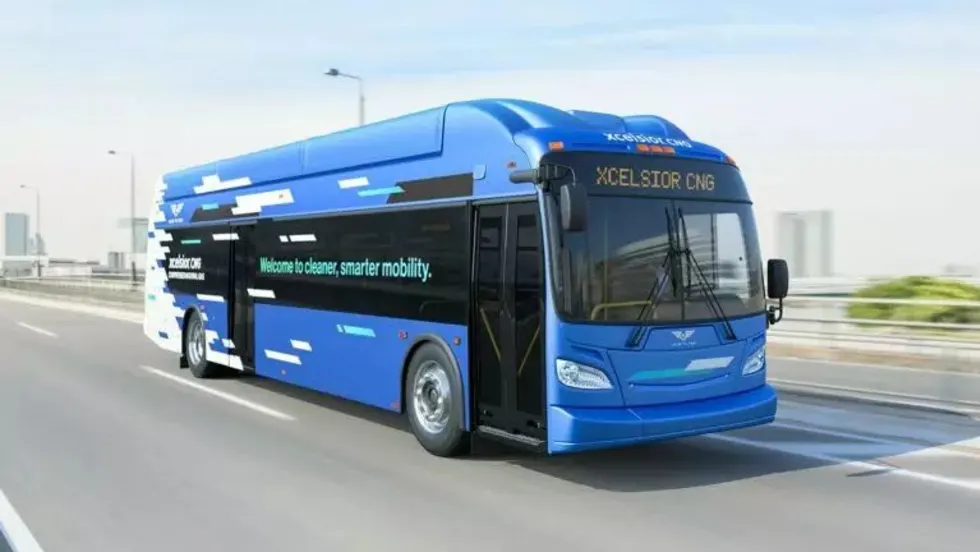
The agency is seeking manufacturers for 650 new CNG buses to replace aging vehicles, improve reliability, and advance its broader fleet modernization strategy.
Read More →
Building a Flexible Path to Transit Electrification
John Hroncich discusses BAE Systems’ modular and scalable approach, lessons learned from decades of real-world operations, and how agencies can identify electrification strategies that fit their fleets.
Read More →
Bus Tech Talk: Keeping Transit Technicians Ahead of the Technology Curve
LA Metro’s Obed Mejia discusses technician training, evolving maintenance technology, fleet replacement, and strategies for getting the most out of today’s transit fleets.
Read More →
Biz Briefs: RIPTA Unveils New Frontrunners, Clevland RTA Adds New Siemens, and More
In METRO's latest installment, we take a look at recent news from Siemens, Prevost, Dodge, and more partnerships making headlines across the transportation sector.
Read More →
People Movement: Holly Arnold Joins Transdev and More
In this edition, we also cover recent appointments and announcements at Pace, CamTran, MCI, and more, showcasing the individuals helping to shape the future of transportation.
Read More →
The High Cost of Transit Buses: Industry Leaders Look to Procurement Reform
Transit leaders and policymakers examine how standardized bus designs, streamlined procurement, and predictable funding could help agencies stretch budgets and deliver better service.
Read More →
The Business Voice Behind Public Transportation
As chair of APTA’s Business Members Board of Governors, Ray Melleady explains how more than 850 business members are partnering with transit agencies to advance funding, innovation, and industry-wide collaboration.
Read More →
From Surviving to Thriving: Building Stronger Transportation Organizations
Bus Business Consultants founder Brian Dickson shares lessons on leadership, organizational health, and creating options for long-term success in a changing transportation industry.
Read More →