



LIRR Names New Acting President
Rob Free succeeds Metro-North Railroad President Catherine Rinaldi who had served as Interim LIRR President since February of 2022.

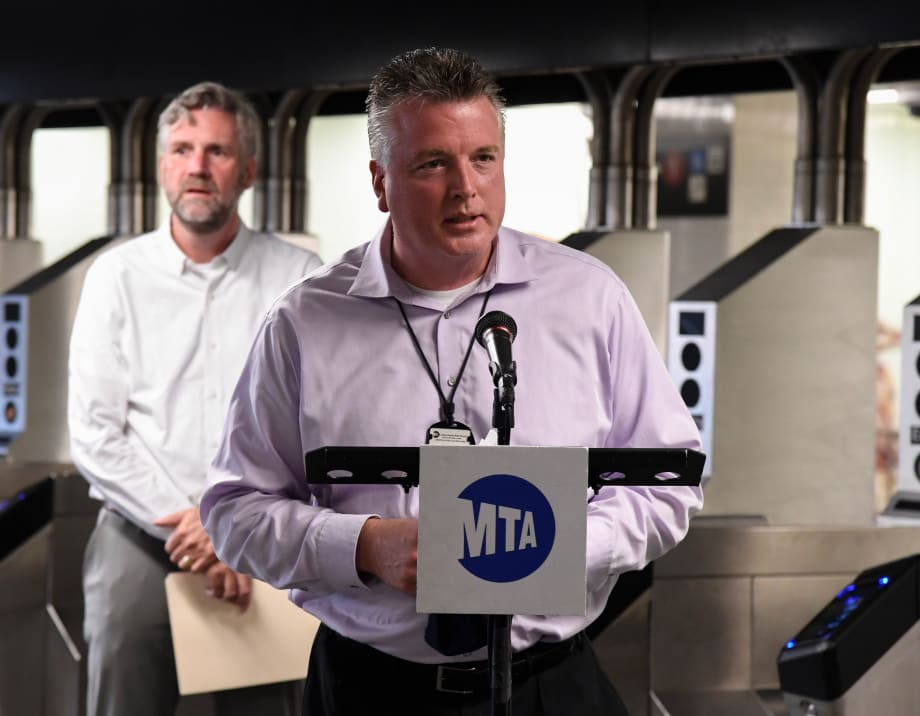
As acting president of LIRR, Rob Free will oversee the continuing recovery of ridership following the COVID-19 pandemic and any necessary schedule adjustments to adapt to new ridership patterns.
Photo:MTA/LIRR
New York’s Metropolitan Transportation Authority (MTA) Chair and CEO Janno Lieber announced Rob Free as acting president of the Long Island Rail Road (LIRR). Free succeeds Metro-North Railroad President Catherine Rinaldi who had served as Interim LIRR President since February of 2022.
Rinaldi, who will continue her role as President of Metro-North, will also serve as sr. advisor, MTA Railroads.
LIRR’s Interim President
Free grew up in Centereach and Patchogue and started working at the LIRR 31 years ago as a Station Cleaner. He worked alongside Anthony Simon, who now serves as general chair of the Sheet Metal, Air, Rail Transportation (SMART) Union. As fate would have it, both men have risen to lead their respective organizations. Free previously served as sr. VP, operations, at LIRR.
As acting president of LIRR, Free has said he will prioritize three things:
Safety for customers and employees
Reliability
Improving the Customer Experience
“We have to ensure the safety of our employees and customers while providing a reliable system with consistently improving on time performance and a strong service plan,” said Free. “I am always looking at ways to improve the customer experience, from planning your trip, by improving the TrainTime app, and making sure train service is meeting our customer’s needs. From the moment you arrive to the moment you depart our facilities I want it to be the best experience possible.”
As acting president of LIRR, Free will oversee the continuing recovery of ridership following the COVID-19 pandemic and any necessary schedule adjustments to adapt to new ridership patterns brought about by the service expansion created when the Main Line Third Track and Grand Central Madison opened earlier this year.
History of Past Successes
Free has led initiatives to improve the customer experience by tasking crews with changing 1,100 lights and replacing more than 12,000 seat cushions over the last two years. He takes his management priorities personally, regularly going up on the platforms to watch the operation and make suggestions to staff on how to improve, and even routinely opening bathroom doors to make sure that they’re clean and in working order.
Before serving as sr. VP, operations, Free was LIRR chief transportation officer, where he oversaw more than 2,000 employees and was charged with maintaining efficient systemwide train operations, coordinating the many track outages that allowed significant projects, such as Ronkonkoma Branch Double Track and state of good repair maintenance to progress.
As sr. VP, he was responsible for over 7,000 employees in Rolling Stock Maintenance, Train Movement, Maintenance of Way, Service Planning, Security, and Station Operations. Free led operations through the COVID-19 pandemic, ensuring train service for essential workers and also helped advance capital megaprojects that have expanded the LIRR, the Main Line Third Track, and start of service to Grand Central Madison. This oversight included areas such as operations and service planning, staffing, and maintenance which, upon the projects’ successful launch, resulted in a historic 40% increase in train service.
More Management
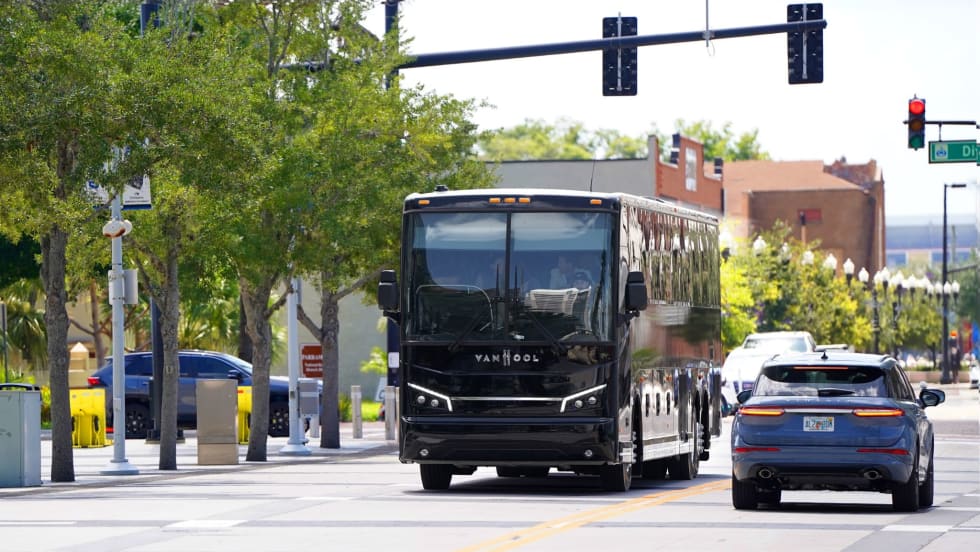
Financing, Fleet Replacement Requires a More Strategic Approach
Executives from ABC Companies and MCI discuss how rising costs, changing market conditions, and post-pandemic challenges are prompting motorcoach operators to rethink financing strategies, fleet replacement cycles, and long-term planning.
Read More →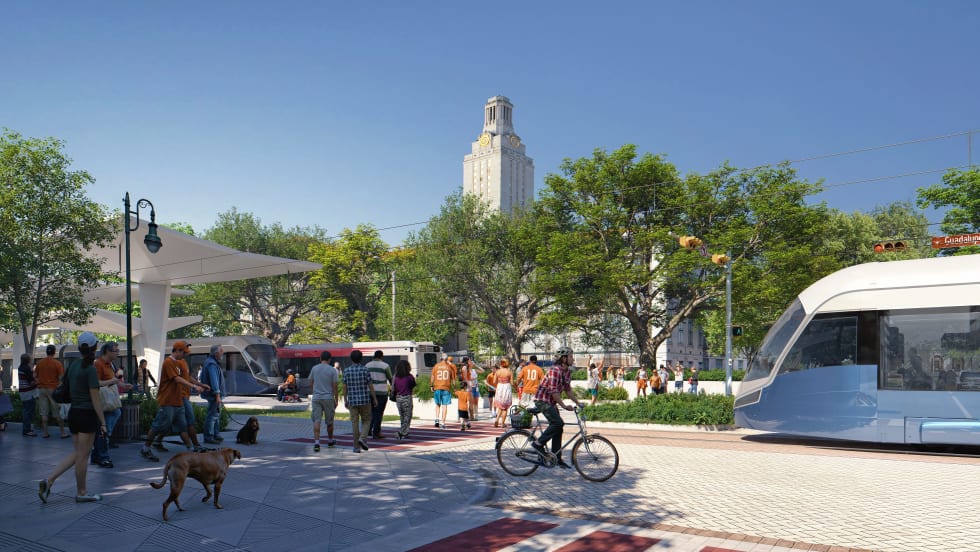
Bringing Austin’s First Light Rail System to Life
Austin Transit Partnership CEO Greg Canally discusses the city's nearly 10-mile light rail project, its collaborative approach to project delivery, the importance of community engagement, and the milestones ahead as construction approaches in 2027.
Read More →
ETA CEO John Maglio on Transit Technology, Innovation, and Building Agency Trust
ETA founder and CEO John Maglio explores the evolution of transit technology, the importance of reliable systems, and how stronger partnerships can help agencies improve operations and the passenger experience.
Read More →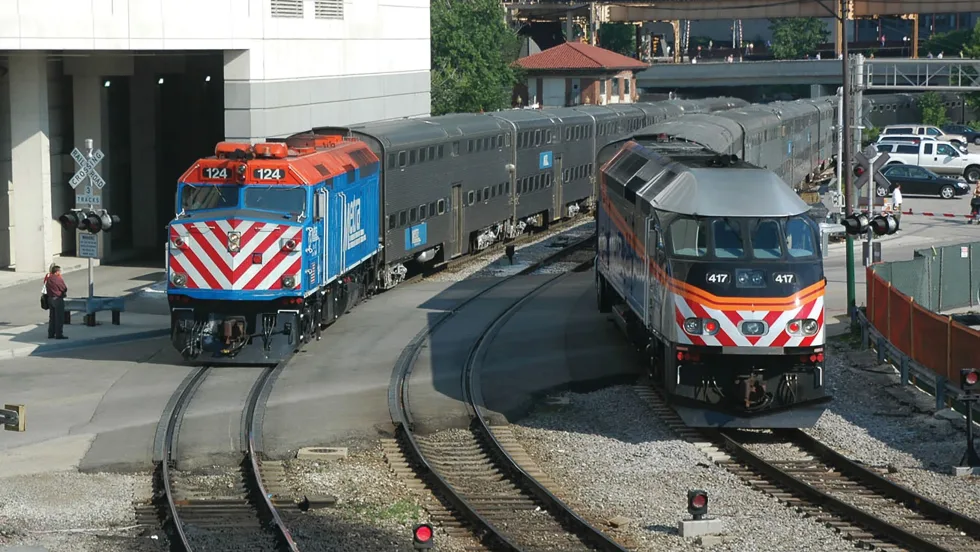
Metra Draft Plan Outlines Costs, Service Improvements for Regional Rail
The Systemwide Network Plan identifies infrastructure needs and potential investments to expand all-day, bidirectional rail service across the Chicago region.
Read More →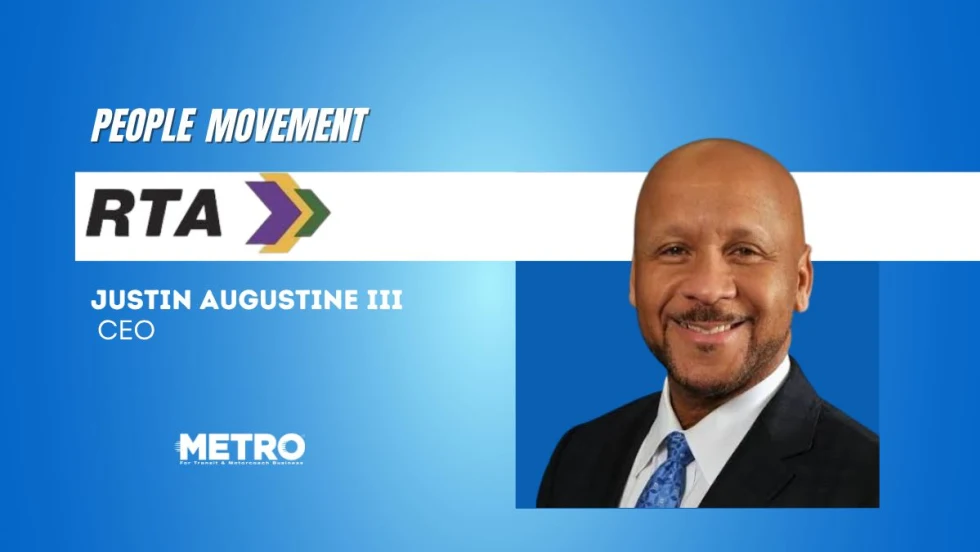
New Orleans RTA Names Augustine III as New CEO
In this edition, we also spotlight recent personnel moves at HDR, PATH, STV, and more, highlighting the people taking on new roles across the transportation industry.
Read More →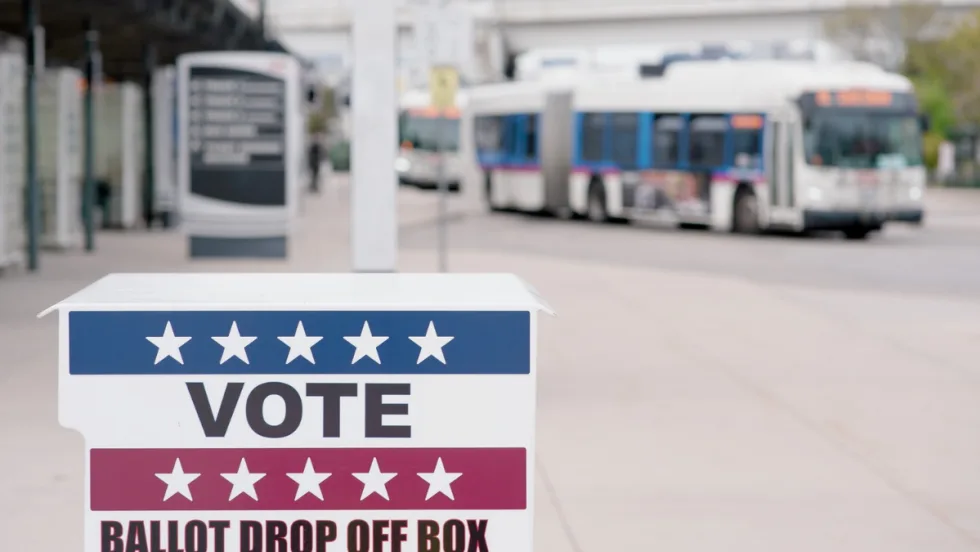
How Transit Agencies Are Using Free Rides to Improve Voting Access
Transit agencies are using fare-free service, trip-planning tools, and targeted rides to improve voting access. See what other agencies can learn from these efforts.
Read More →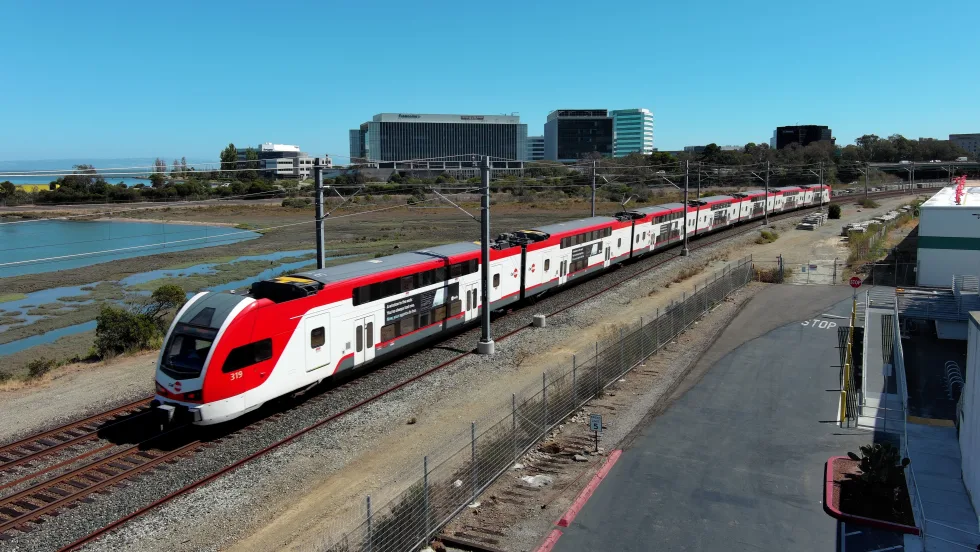
Caltrain’s Electrification Drives a New Era of Ridership Growth
The railroad’s shift to electric service has brought more frequent trains, stronger customer satisfaction, and increased ridership, earning it APTA’s Outstanding Public Transportation System award.
Read More →
Chicago, Charlotte Transit Agencies Expand Rider Support Programs
CTA launched crisis intervention teams as CATS prepares to deploy fare ambassadors, expanding customer assistance and security efforts across both systems.
Read More →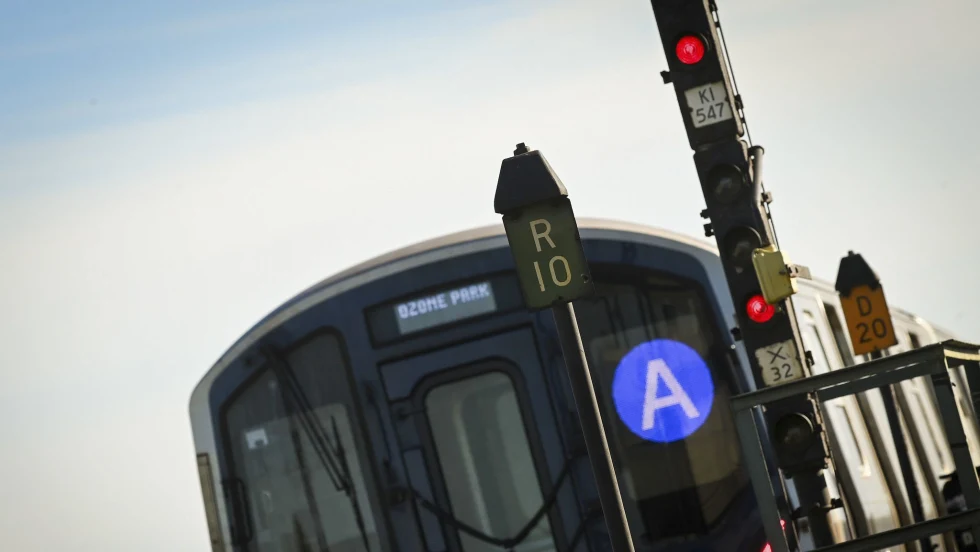
New York MTA Launches Historic $1.9B Signal, Track Modernization Project
Funded in part by congestion pricing revenue, the project will replace nearly century-old signals along the A and C lines in Brooklyn and Queens.
Read More →
Brian Dickson on Building Stronger, More Resilient Transportation Organizations
Bus Business Consultants Founder Brian Dickson discusses the leadership principles, operational discipline, and strategic planning that separate transportation companies positioned for long-term success from those stuck in survival mode.
Read More →