



LIRR Shatters Post-Pandemic Ridership Record
Both milestones contributed to the railroad’s busiest seven-day period since the pandemic, with a total of 1.72 million passengers riding between July 17 and July 23.

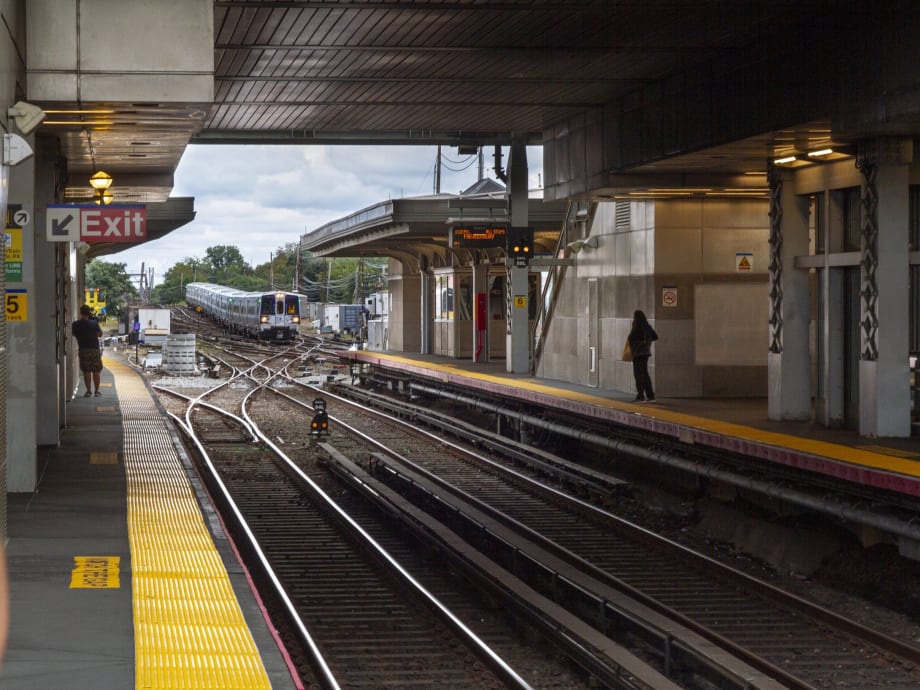
The LIRR's record ridership highs reflect the railroad’s increasing customer satisfaction rate and record-breaking on-time performance statistics.
Photo: LIRR
New York’s Long Island Rail Road (LIRR) shattered its post-pandemic daily ridership record twice this week, carrying 298,419 passengers on Wednesday, July 23, and 295,419 passengers on Tuesday, July 22.
Both milestones contributed to the railroad’s busiest seven-day period since the pandemic, with a total of 1.72 million passengers riding between July 17 and July 23. Before this week, the previous post-pandemic ridership high was 287,437 on June 19. The pre-pandemic 2019 average weekday ridership of 316,692 was the highest since 1949.
Customer Satisfaction Equals Ridership Gains
The ridership highs reflect the railroad’s increasing customer satisfaction rate and record-breaking on-time performance statistics. Through the first half of the year, 96.6% of trains reached their destination on time, the railroad’s best rate in its history outside of pandemic years, and nine-tenths of a percentage point above last year’s rate of 95.7% covering the same period of the year.
Overall customer satisfaction with the railroad reached 81% in the spring of 2025, up five percentage points from the fall of 2024, when it stood at 76%, which was itself a six-point increase from the spring 2024 rate of 70%.
“The LIRR is consistently delivering clean, safe, and reliable service for all New Yorkers,” said Rob Free, LIRR’s president. “Ridership numbers like this show that people know that the LIRR is the best way to travel to work, school, and everything that Long Island has to offer.”
Strong Performance Mirrors Trends at NYCT
The substantial LIRR ridership numbers follow the Metropolitan Transportation Authority’s (MTA) announcement that it achieved its best summer subway ridership week since 2019, hitting four million subway riders three days in a row in a summer season — a first since the start of the pandemic.
On July 15, New York City Transit (NYCT) recorded 4,046,610 subway riders; on July 16, the agency recorded 4,121,751 subway riders; and on July 17, it recorded 4,029,692 riders.
The milestone was also achieved during the same week NYC experienced a near-record rainfall on July 14, and transit crews worked expeditiously to restore service the evening of the storm and through the night to ensure a smooth commute the next day.
Moreover, the 4,121,751 subway riders on July 16 is a new post-pandemic ridership high for the summer.
More Rail

New York MTA Advances Final Contract for Second Avenue Subway Expansion
Contract Four is the largest in the Second Avenue Subway Phase 2 project and includes construction of station infrastructure, tracks, and signals for the subway expansion, MTA officials said. Work on Contract Four will begin in 2027.
Read More →
San Diego MTS Breaks Monthly Trolley Ridership Record
Agency officials said July’s ridership indicates MTS’s continued recovery from the pandemic.
Read More →
Report Examines NJ TRANSIT Reliability, Funding Challenges
The Garden State Initiative analysis examines the roles of Amtrak infrastructure, fleet management, and agency operations while recommending a more performance-based approach to improving reliability.
Read More →
Stadler, CapMetro Sign Long-Term Rail Fleet Support Agreement
Beginning in 2027, Stadler will provide on-site technical expertise, spare parts support, training, and obsolescence management to help extend the reliability and longevity of CapMetro’s GTW fleet.
Read More →
Biz Briefs: Alstom Lands Canadian Contract, LYT to Supply California TSP, and More
In METRO's latest installment, we take a look at recent news from Complete Coach Works, Beep, FlixBus, and more partnerships making headlines across the transportation sector.
Read More →
CATS Gold Line Marks 5 Years of Service, 2.8M Passenger Trips
With a six-mile expansion planned, the Charlotte streetcar is positioned to connect more neighborhoods and major transit hubs across the region.
Read More →
Why Simulating Pedestrian Movement Has Become Essential for Modern Rail Stations
Pedestrian microsimulation is helping rail planners identify bottlenecks, test station designs, and prepare complex transit hubs for growing passenger volumes.
Read More →
Amtrak Begins Major Construction at New York’s Sunnyside Yard
The new maintenance facility will support Amtrak’s Airo trainsets while improving maintenance efficiency and turnaround times in New York.
Read More →
Chicago Leaders Unveil Plans for O’Hare Airport Express Train
The privately developed project would offer a 15-minute trip between downtown and O’Hare’s Terminal 2, with trains operating every 15 minutes on a dedicated track. The service would use battery-electric trains and three existing freight rail rights-of-way.
Read More →
OCTA Maps Out 30-Year Strategy to Protect Coastal Rail Corridor
The draft feasibility report identifies strategies to protect the coastal rail line for decades as the agency continues near-term stabilization and sand placement efforts.
Read More →