



Long Island Rail Road Names 42nd President
Rob Free has served as LIRR’s acting president for the last six months.


As acting president, Rob Free promised to prioritize three things: safety for riders and employees, increased reliability, and higher customer satisfaction.
Photo: Marc A. Hermann/MTA
New York Metropolitan Transportation Authority (MTA) Chair/CEO Janno Lieber appointed Rob Free as the 42nd president of the Long Island Rail Road (LIRR).
Free served as LIRR’s acting president for the last six months. He began his career with the railroad as a station cleaner 31 years ago, rising through the ranks to become chief transportation officer and sr. VP, operations, before becoming president.
Rob Free’s Impact Already Felt at LIRR
Free was instrumental in the rollout of LIRR service to Grand Central Madison, helping to oversee a 41% increase in service that accompanied the terminal’s opening, the largest service increase in LIRR history.
During his time in LIRR leadership, the MTA also completed the Main Line Third Track project that enabled a 41% service increase, opened the first new LIRR station in 50 years at (Elmont-UBS Arena), and completed an overhaul of the LIRR concourse at Penn Station while continuing to run robust train service all throughout construction.
As President, Free will oversee LIRR’s 24/7 service, 700 miles of tracks, and 126 stations — which includes three of the top five busiest commuter railroad stations in North America. Free says a top goal is to boost ridership and continue to adjust schedules to improve on-time performance even more.
“When I joined the LIRR as a 22-year-old station cleaner, I never imagined that one day I would be running this incredible organization,” said Free. “It’s been an amazing journey so far and I am excited to continue to build on our successes and make the riding experience even better for Long Islanders. Ridership continues to climb, with weekdays routinely carrying 230,000-plus riders, as is on-time performance which has been above 95% for three straight months.”
Continuing to Propel LIRR Forward
As acting president, Free promised to prioritize three things: safety for riders and employees, increased reliability, and higher customer satisfaction.
Over the past six months, Free has delivered in all three areas. MTAPD increased its presence on the rails bringing a greater sense of security to everyone on trains and in stations. LIRR enjoyed it’s best February in 12 years with 96.3% of trains arriving on-time, which is also the sixth-best month in LIRR history.
As a result of the rising ridership and improved on-time performance, customer satisfaction has increased. He’s also previously led initiatives that improved customer satisfaction such as replacing more than 12,000 seat cushions over the last two years and regularly personally surveys platform operations and checks bathrooms to ensure they are clean and in good working order.
More Management
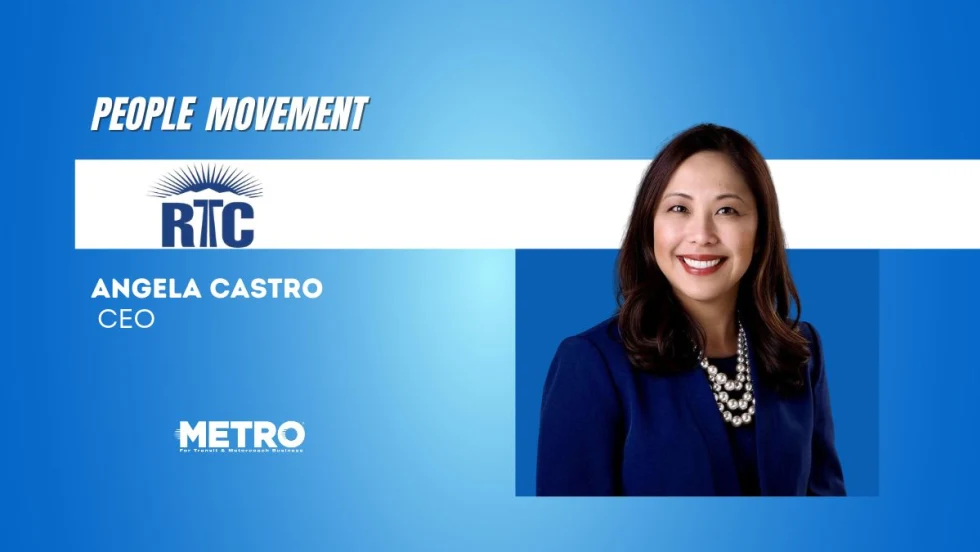
Castro to Lead RTC of Southern Nevada and More in People Movement
In this edition, we also cover recent appointments and announcements at the STV, MCI, and more, showcasing the individuals helping to shape the future of transportation.
Read More →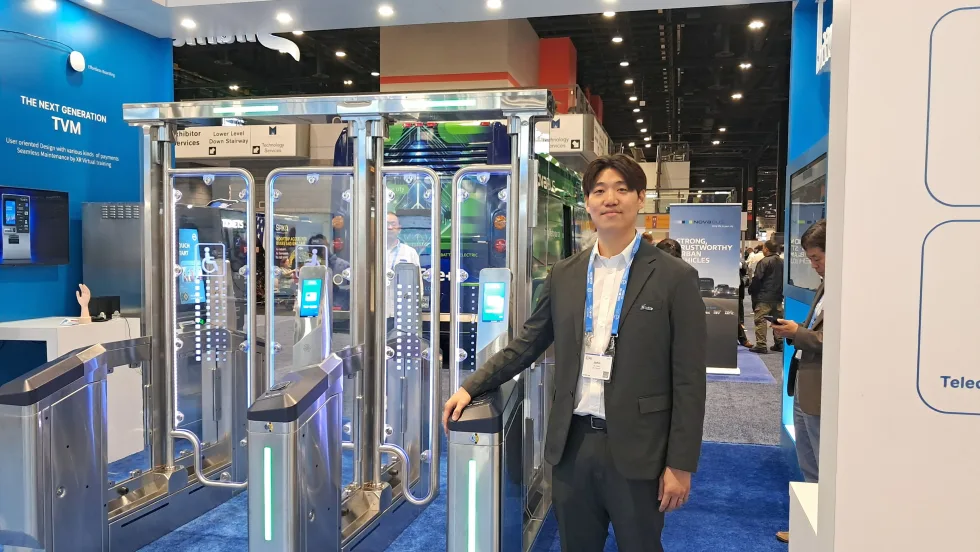
STraffic Expands North American Presence with Fare Collection Technology
John Moon, Associate Director, Product Strategy at STraffic, discusses the company's growth in North America, its efforts to reduce fare evasion, and more.
Read More →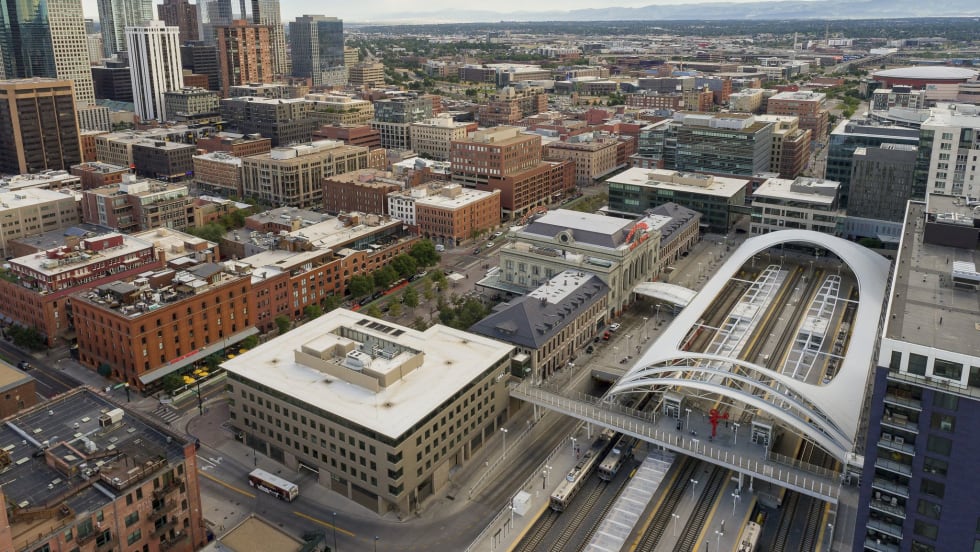
Study: Denver RTD Generates $2.1 Billion in Annual Economic Activity
An economic impact study finds the agency supports approximately 17,500 jobs, delivers $1.6 billion in annual community and mobility benefits, and generates $2.42 in economic value for every dollar invested.
Read More →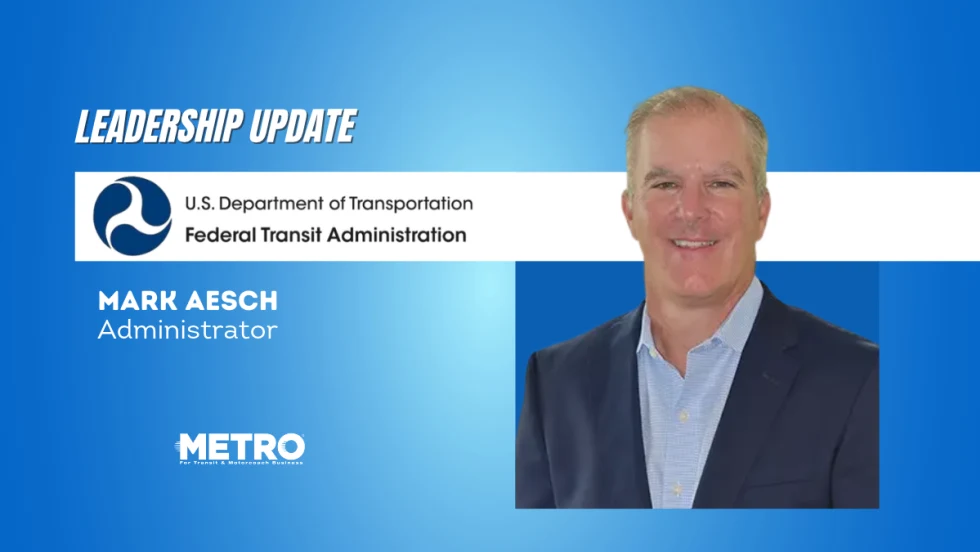
Mark Aesch Nominated to Lead Federal Transit Administration
The former Rochester transit chief and TransPro founder, who has also contributed to METRO Magazine, brings decades of industry experience and a focus on performance, accountability, and financial sustainability to the nomination.
Read More →
Best and Worst U.S. Cities for Public Transportation in 2026
A new analysis of 50 major U.S. urban areas ranks public transit systems based on accessibility, affordability, usefulness, and safety, highlighting where transit performs best and where challenges remain.
Read More →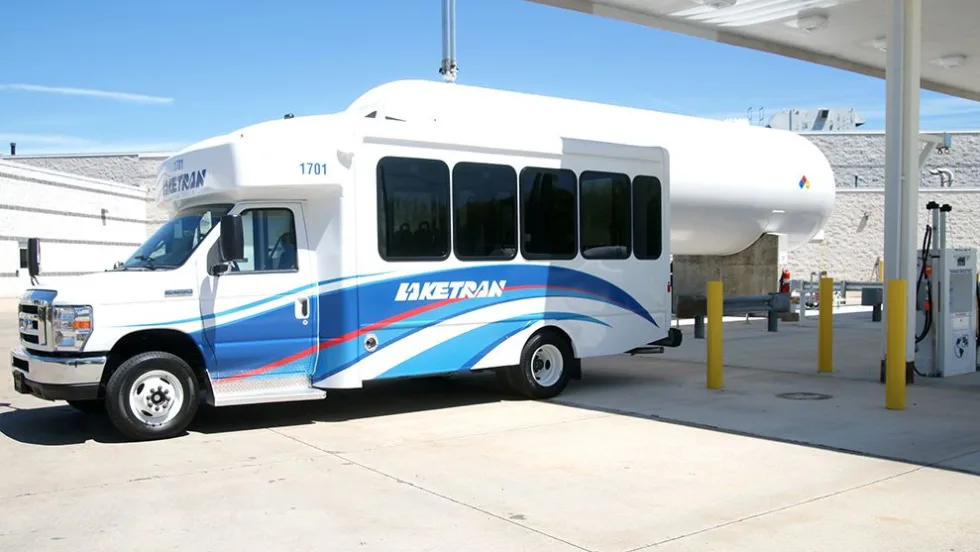
Laketran Cuts Fuel Costs, Boosts Efficiency with Propane-Powered Fleet
The Ohio transit agency is using propane-powered vehicles and on-site fueling infrastructure to cut fuel and maintenance costs while meeting growing demand for paratransit services.
Read More →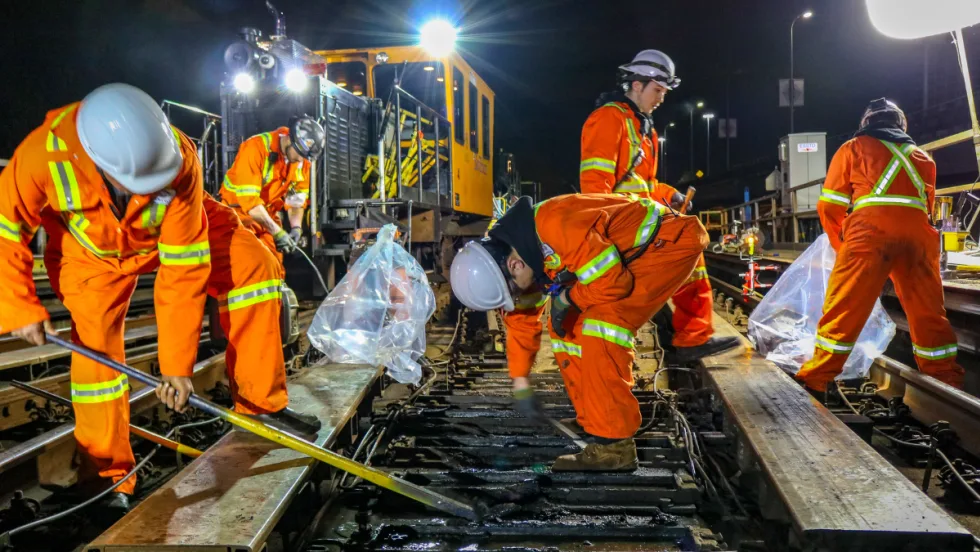
Canada’s Public Transit Supports $65.6 Billion in Annual GDP
New research from the Canadian Chamber of Commerce examines transit's economic contributions, including job creation and the financial implications of transportation investment.
Read More →
Pierce Transit Moves to Expand Fleet Following Proposition 1 Approval
The agency authorized the purchase or refurbishment of up to 60 buses to support a 47% service expansion, as voters nationwide approved billions in new transit funding.
Read More →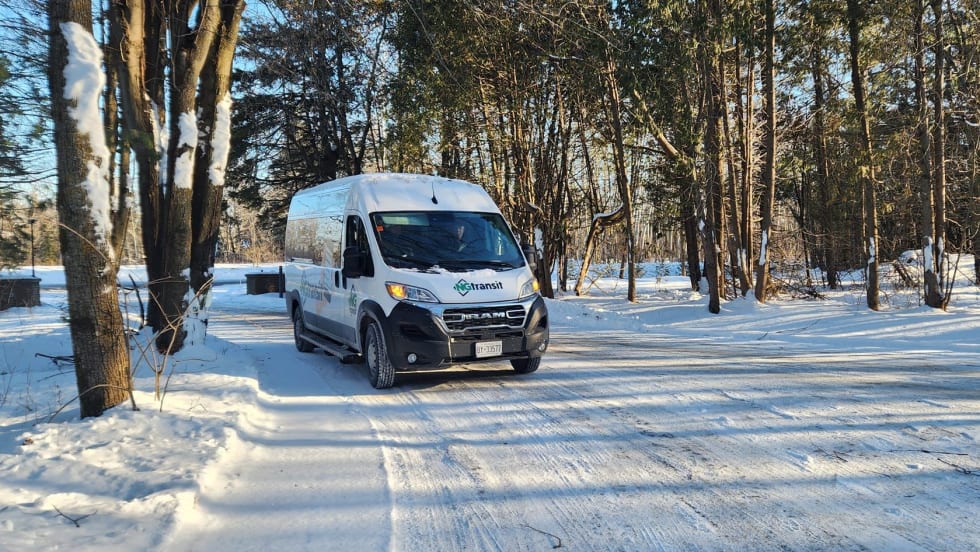
Right-Sizing Rural Transit: Lessons from North Grenville’s On-Demand Model
A small municipality shows how flexible service, rider needs, and public accountability can expand mobility with limited resources.
Read More →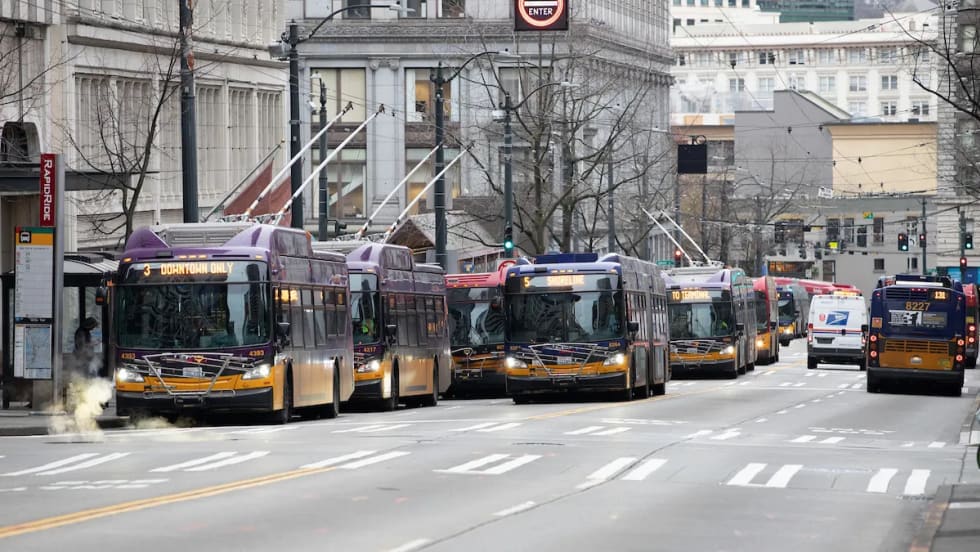
Transit Ballot Victories Signal Strong Voter Support: What Comes Next?
Voters approved billions in public transportation investments in 2026, giving agencies opportunities to preserve service, expand operations, and strengthen regional connections amid a changing political landscape.
Read More →