



MARTA board approves FY 2011 budget
Totaling $710.44M, the budget includes a net transit operating budget of $389.64 million and a total capital budget of $320.8 million, with $132.8 million allocated for debt service.

During a special board meeting Monday, the Metropolitan Atlanta Rapid Transit Authority (MARTA) board of directors approved the FY 2011 Operating and Capital Budget, which includes the preservation of some bus and rail service that had originally been proposed for elimination.
The approved FY 2011 budget, totaling $710.44 million, includes a net transit operating budget of $389.64 million and a total capital budget of $320.8 million, with $132.8 million allocated for debt service. The FY 2011 budget takes effect on July, 1 2010, with service, fare and internal cost containment measures taking effect at various times over the next several months.
The original budget deficit of $120 million was reduced to $69.34 million due to the MARTA's significant cost reduction measures, a better-than-projected sales tax forecast from Georgia State University and the Georgia Legislature lifting the "50/50 restriction" for three years
"Facing a significant budget deficit for FY 2011, which required the consideration of major service cuts, MARTA immediately began discussions with the public at the beginning of this year in an effort to minimize the negative impacts," said MARTA GM/CEO Dr. Beverly A. Scott. "After holding nine community meetings, four public hearings and receiving approximately 10,000 public comments, the MARTA board listened and responded to customers by adopting a budget that maintains core service and enables us to continue serving the public to the best of our ability."
MARTA's FY 2011 budget includes a number of internal cost containment measures:
a 10.2 percent reduction in bus service (131 routes to 91 routes)
a 14.2 percent reduction in rail service
an increase in weekly, monthly and Mobility pass prices
closure of two RideStores
reduced customer service call center hours
a reduction in the number of station agents assigned throughout the system
and designation of public restrooms at nine major transfer points and end-of-line stations
Service modifications were developed based on MARTA's guiding principles to develop a core service that is reliable and sustainable and maintain connections to major activity centers and critical "lifeline" facilities.
Internal cost containment measures include the elimination of 734 positions, no merit-based or annual cost of living increases for employees, and mandatory 10-day furloughs for non-represented employees (excluding police and operating supervisors).
Service modifications will be implemented on September 25th and pass price increases will go into effect on October 3rd.
More Bus

Finding the ‘Happy Medium’: Optimizing Maintenance Without Sacrificing Reliability
The key to maintenance optimization isn’t doing less work—it’s doing the right work at the right time on the right assets.
Read More →
LA Metro, City of West Hollywood, and Partners Advance Smarter Bus Lane Enforcement
The award-winning partnership combines AI-powered detection with human oversight to improve bus reliability, accessibility, and enforcement efficiency.
Read More →
PSTA Modernizes Workforce Management with Digital Bidding System
The award-winning Workforce Transit Modernization project replaced paper bidding with a transparent digital platform, cutting administrative effort while improving access for operators.
Read More →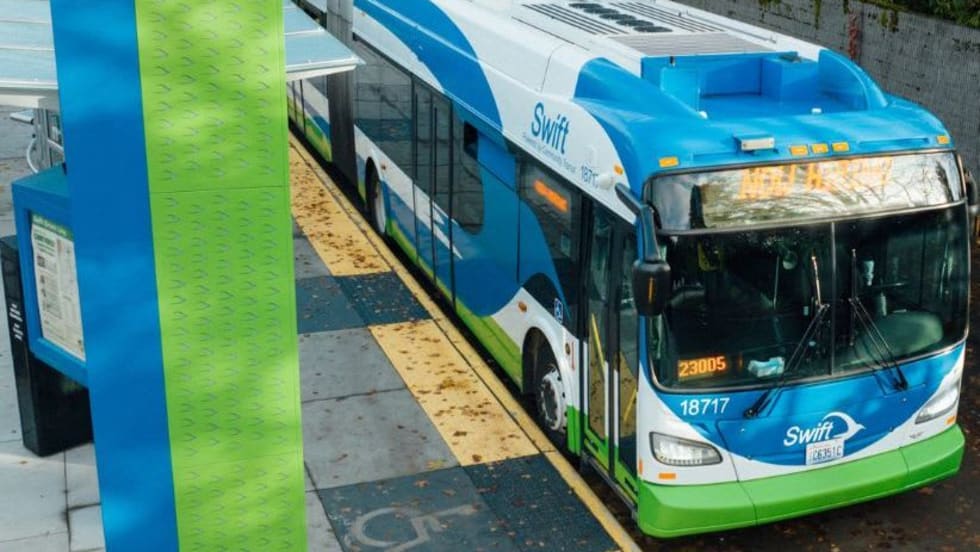
Washington's Community Transit Sets Six-Year Roadmap for Growth, Expansion
Approved TDP targets more bus service, new mobility options, Swift BRT expansion, and a potential Everett Transit annexation.
Read More →
DART Customer Satisfaction Reaches Six-Year High
Overall satisfaction rose to 74.9%, while the agency’s Net Promoter Score reached a record 33.7.
Read More →
How DART's GoPass Is Redefining Regional Mobility
Serving 14 transit agencies, GoPass simplifies multimodal travel by allowing riders to plan, pay for, and manage an entire trip through one app.
Read More →
Biz Briefs: OCTA Taps Clean Energy for Hydrogen Station, Stadler to Supply Via Rail Vehicles, and More
From manufacturers and suppliers to transit agencies and motorcoach operators, these updates offer a snapshot of the projects, partnerships and business moves driving the industry forward.
Read More →
METRO Magazine Announces 2026 Innovative Solutions Awards Winners
Projects Recognized for Advancing Mobility Through Technology, Accessibility, Workforce Innovation, and Operational Excellence
Read More →
Biz Briefs: STV teams with Amtrak, Motorcoach Operators Boost Fleet and Land Contracts, and More
From manufacturers and suppliers to transit agencies and motorcoach operators, these updates offer a snapshot of the projects, partnerships and business moves driving the industry forward.
Read More →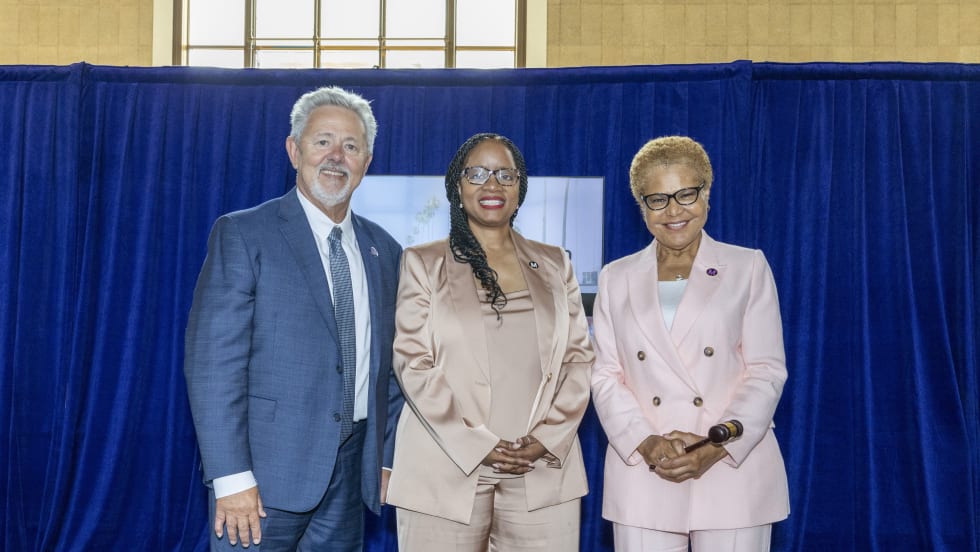
LA Metro Marks Banner Year, Sets Ambitious Goals for New Fiscal Year
Incoming LA Metro Board Chair and Los Angeles Mayor Karen Bass joined outgoing Board Chair Fernando Dutra and LA Metro CEO Stephanie Wiggins to review accomplishments from fiscal year 2026, which included the opening of new rail extensions, advancement of major transit projects, expanded safety programs, and new rider amenities.
Read More →