



Maryland Transit Administration Unveils Ambitious BMORE BUS Plan
After extensive community engagement and data analysis, the new plan lays out a bold vision centered on improving service frequency, expanding network reach, and investing in long-term transit infrastructure.

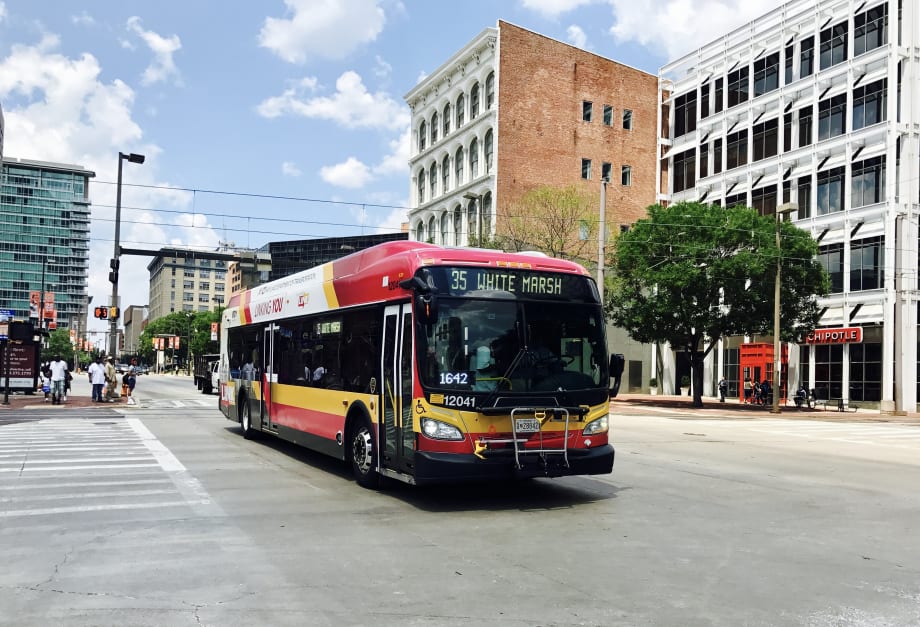
The BMORE BUS plan reflects feedback from nearly 1,000 public comments and a wide range of community engagement sessions.
Photo: MDOT MTA
The Maryland Department of Transportation, Maryland Transit Administration (MDOT MTA), released the BMORE BUS plan, a comprehensive roadmap for transforming and modernizing bus service throughout the Baltimore region.
After extensive community engagement and data analysis, the new plan lays out a bold vision centered on improving service frequency, expanding network reach, and investing in long-term transit infrastructure.
“The bus is the workhorse of MTA's transit system and currently carries more than double the number of riders of all of the agency's other modes combined,” said Maryland Transportation Secretary Paul J. Wiedefeld. “This plan serves as a guide for future improvements, and thanks to additional transportation revenues, MDOT is making historic investments in transit to improve the system further.”
Community-Informed Planning
The BMORE BUS plan reflects feedback from nearly 1,000 public comments and a wide range of community engagement sessions.
During the outreach process, enhanced service frequency emerged as the top priority for current riders and non-riders.
In response, the plan proposes:
A minimum service standard of 30-minute headways or better across the network.
Increased frequency on weekdays, weekends, and overnight service.
Expansion of 15-minute or less service on more routes.
New and extended bus routes.
Introduction of on-demand microtransit options.
“Fast, frequent, and reliable service is at the core of what riders want from their bus system,” said Maryland Transit Administrator Holly Arnold. “We are committed to the most satisfactory rider experience possible and advocating at every level for the resources we need to achieve this vision.”
Backed by New Investments
Thanks to Gov. Wes Moore’s transportation funding initiatives, MDOT and MTA are prioritizing state-of-good-repair projects and investments in aging infrastructure. The budget also allocates resources for hiring additional operators, which is critical for improving service reliability and enabling future service expansion.
The plan also calls for constructing a fifth bus division facility, essential for housing and maintaining an expanded fleet.
While full implementation of the BMORE BUS network is contingent on additional funding, incremental improvements are expected to begin through MDOT MTA’s annual service planning process.
The agency will continue to collaborate with stakeholders, riders, and elected officials to advocate for the resources needed to realize the full vision.
The MDOT MTA said BMORE BUS sets the stage for a more equitable, accessible, and efficient transit future in Central Maryland. It is a strategic step toward closing service gaps, addressing reliability concerns, and delivering a transit system that meets the diverse needs of the Baltimore region.
More Bus

New York MTA Plans Largest Bus Fleet Upgrade in More Than a Decade
The agency is seeking manufacturers for 650 new CNG buses to replace aging vehicles, improve reliability, and advance its broader fleet modernization strategy.
Read More →
Building a Flexible Path to Transit Electrification
John Hroncich discusses BAE Systems’ modular and scalable approach, lessons learned from decades of real-world operations, and how agencies can identify electrification strategies that fit their fleets.
Read More →
Bus Tech Talk: Keeping Transit Technicians Ahead of the Technology Curve
LA Metro’s Obed Mejia discusses technician training, evolving maintenance technology, fleet replacement, and strategies for getting the most out of today’s transit fleets.
Read More →
Biz Briefs: RIPTA Unveils New Frontrunners, Clevland RTA Adds New Siemens, and More
In METRO's latest installment, we take a look at recent news from Siemens, Prevost, Dodge, and more partnerships making headlines across the transportation sector.
Read More →
People Movement: Holly Arnold Joins Transdev and More
In this edition, we also cover recent appointments and announcements at Pace, CamTran, MCI, and more, showcasing the individuals helping to shape the future of transportation.
Read More →
The High Cost of Transit Buses: Industry Leaders Look to Procurement Reform
Transit leaders and policymakers examine how standardized bus designs, streamlined procurement, and predictable funding could help agencies stretch budgets and deliver better service.
Read More →
The Business Voice Behind Public Transportation
As chair of APTA’s Business Members Board of Governors, Ray Melleady explains how more than 850 business members are partnering with transit agencies to advance funding, innovation, and industry-wide collaboration.
Read More →
From Surviving to Thriving: Building Stronger Transportation Organizations
Bus Business Consultants founder Brian Dickson shares lessons on leadership, organizational health, and creating options for long-term success in a changing transportation industry.
Read More →
Finding the ‘Happy Medium’: Optimizing Maintenance Without Sacrificing Reliability
The key to maintenance optimization isn’t doing less work—it’s doing the right work at the right time on the right assets.
Read More →
LA Metro, City of West Hollywood, and Partners Advance Smarter Bus Lane Enforcement
The award-winning partnership combines AI-powered detection with human oversight to improve bus reliability, accessibility, and enforcement efficiency.
Read More →