



Motorcoaches top U.S. commercial people mover, study finds
Accounting for 751 million passenger trips in 2007, up nearly 20 percent from the previous figure of 631 million passenger trips in 2005, according to a newly updated industry census released today by the American Bus Association.

The motorcoach industry is the number one commercial people mover in the U.S., accounting for 751 million passenger trips in 2007, up nearly 20 percent from the previous figure of 631 million passenger trips in 2005, according to a newly updated industry census released today by the American Bus Association (ABA).
The December 2008 study, “The Economic Impacts and Social Benefits of the U.S. Motorcoach Industry: Binding the Nation Together by Providing Diverse and Affordable Services to Everyone,” was produced by research firm Nathan Associates Inc., and updates previous census reports issued in 2005 and 2006.
“The motorcoach industry is the number one [commercial] people mover,” the study reports. “In 2007, the industry provided 751 million passenger trips. The industry provided nearly 9 percent more passenger trips than commercial airlines (excluding foreign-flag air carriers) and 67 percent more than Amtrak and commuter rail combined.”
Scheduled intercity bus service was provided at 3,046 locations in 2006, compared to air service at 604 airports and intercity rail at 525 stations, the study found. The majority (55 percent) of long-distance passenger trips by bus are taken by females. And buses continue to be the safest and greenest mode of transportation, the researchers found.
“The surging bus ridership figures revealed in this updated industry census confirm that motorcoaches are enticing more new customers each day,” said ABA President & CEO Peter J. Pantuso. “We’re moving more people, serving more locations, and offering travelers a customer-service oriented, hassle-free and affordable travel alternative.”
Perhaps most compelling in the study’s findings is that independent motorcoach operators offer such comprehensive service with virtually no federal subsidy. Motorcoaches account for a mere 6 cents in federal subsidies per passenger trip, while public transits cost 77 cents per passenger trip, commercial air carriers cost $4.32 per passenger trip, and Amtrak costs $46.06 in taxpayer subsidies per passenger trip.
Other key findings of the new report focused on how motorcoach tourism and travel generates visitor spending and supports jobs in destinations across the country, infusing local economies with tourism spending on local hotels, restaurants, attractions and retail goods.
More Motorcoach
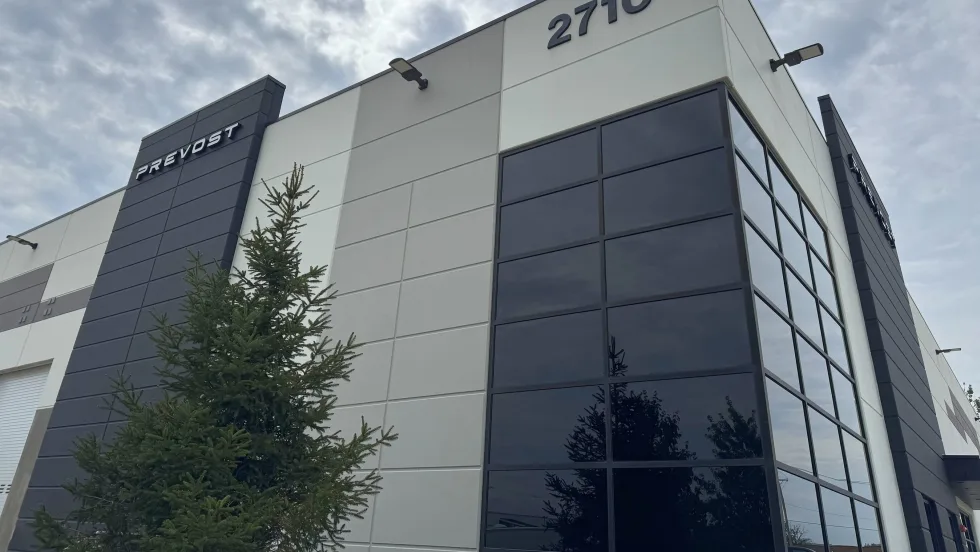
Prevost Opens Expanded Chicago-Area Service Center
The $8.1 million Elk Grove Village investment nearly triples facility space while adding service capacity, parts storage, and customer amenities.
Read More →
People Movement: Dan Dipert Coaches Adds Third-Generation Leader, Keolis Names New Valley Metro VP/GM, and More
In this edition, we also cover recent appointments and announcements at the Wabtec, SilverRide, HNTB, and more, showcasing the individuals helping to shape the future of transportation.
Read More →
METRO Opens Submissions for 2026 Motorcoach Awards
Nominations are now being accepted for METRO Magazine’s Operator of the Year and Innovative Operator of the Year awards.
Read More →
Biz Briefs: Alstom Lands Canadian Contract, LYT to Supply California TSP, and More
In METRO's latest installment, we take a look at recent news from Complete Coach Works, Beep, FlixBus, and more partnerships making headlines across the transportation sector.
Read More →
Biz Briefs: RIPTA Unveils New Frontrunners, Clevland RTA Adds New Siemens, and More
In METRO's latest installment, we take a look at recent news from Siemens, Prevost, Dodge, and more partnerships making headlines across the transportation sector.
Read More →
People Movement: Holly Arnold Joins Transdev and More
In this edition, we also cover recent appointments and announcements at Pace, CamTran, MCI, and more, showcasing the individuals helping to shape the future of transportation.
Read More →
ABA Report: Motorcoach Travel Generates $161.6B Economic Impact
The 2025 analysis finds motorcoach travel supported nearly 900,000 jobs and generated $28 billion in federal, state, and local taxes.
Read More →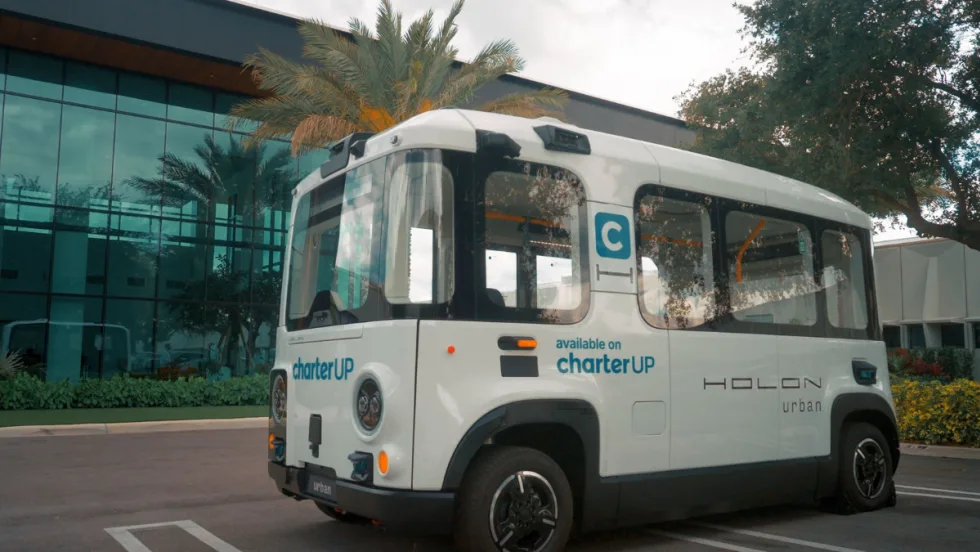
CharterUP’s Armir Harris on Technology, AI, and the Future of Group Mobility
In a recent episode of METROspectives, CharterUP Founder/CEO Armir Harris discussed the company’s evolution from an online charter bus marketplace into a technology platform supporting public- and private-sector mobility and much more.
Read More →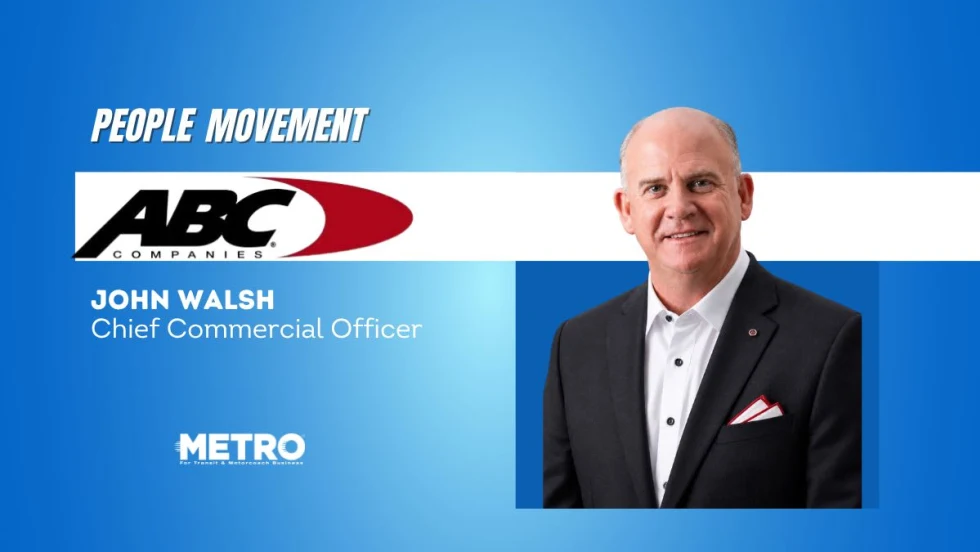
People Movement: ABC Names John Walsh as Chief Commercial Officer
In this edition, METRO also covers recent appointments and announcements at the DART, STV, and more, showcasing the individuals helping to shape the future of transportation.
Read More →
From Surviving to Thriving: Building Stronger Transportation Organizations
Bus Business Consultants founder Brian Dickson shares lessons on leadership, organizational health, and creating options for long-term success in a changing transportation industry.
Read More →