



N.J. Transit to forgo fare increase
Agency will balance its budget by cutting administrative expenses by $22.5 million to partly offset the shortfall, as well as benefit from federal funds made available from the Department of Transportation.

In prepared testimony submitted to the Assembly Budget Committee, New Jersey Transit Executive Director Richard Sarles said that the agency’s FY2010 budget does not include a fare increase for riders, despite a cutback in state operating support for the agency.
Sarles said the agency will balance its budget by cutting administrative expenses by $22.5 million to partly offset the shortfall, as well as benefit from federal funds made available from the U.S. Department of Transportation.
The agency has reduced administrative cost to an all-time low with expenses now accounting for only eight cents out of every operating dollar, with a full 92 cents going to service delivery, said Sarles. He also noted that NJ Transit is more cost effective than its peer agencies on a cost-per-passenger-mile basis.
NJ Transit eliminated 140 jobs this year through attrition and early retirement, and has instituted both hiring and wage freezes for non-agreement employees. It also expects significant savings in FY10 from a dependent health benefit audit, reduced marketing expenses, and cut backs in printing and customer service call center hours made possible through technology that allows customers to get more information online.
The agency is also proposing a $1.3 billion capital program focused on safety and state of good repair investments, as well as expansion projects.
More Bus

LA Metro Breaks Ground on Vermont BRT Project
The 12.4-mile corridor is projected to serve 66,200 daily riders, reduce travel times by up to 24%, and create the nation's busiest bus rapid transit corridor.
Read More →
Roman Cornell on ABC Companies’ Evolution and the Future of Passenger Transportation
The company’s CEO discusses carrying forward a third-generation family legacy, ABC’s continued evolution in passenger transportation, support for increasingly complex fleets, and how technology and continued investment could help operators improve uptime.
Read More →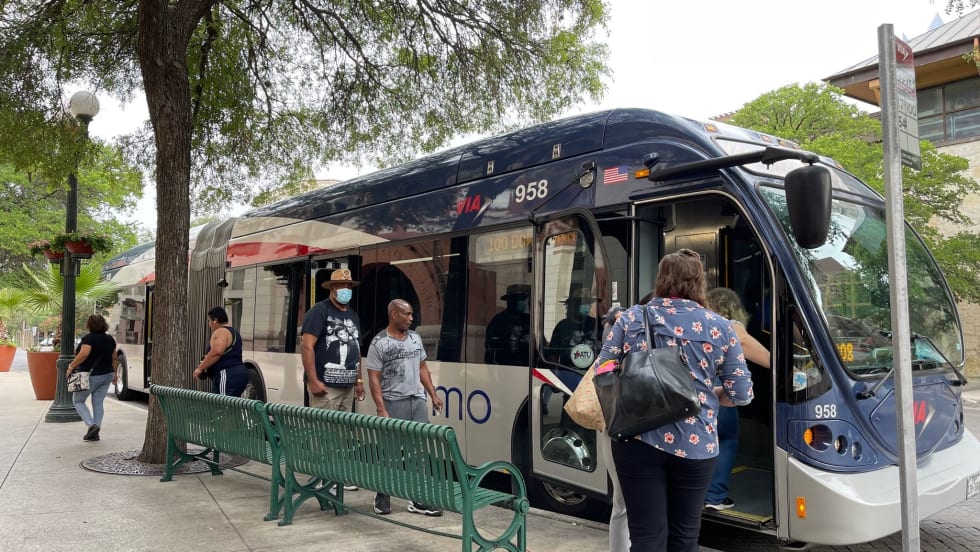
VIA Bus Ridership Grows 10.1% Through August 2026
San Antonio's VIA Metropolitan Transit reported the highest bus ridership growth among major Texas transit systems. Federal Transit Administration data ranked it second among the nation's 50 largest transit systems.
Read More →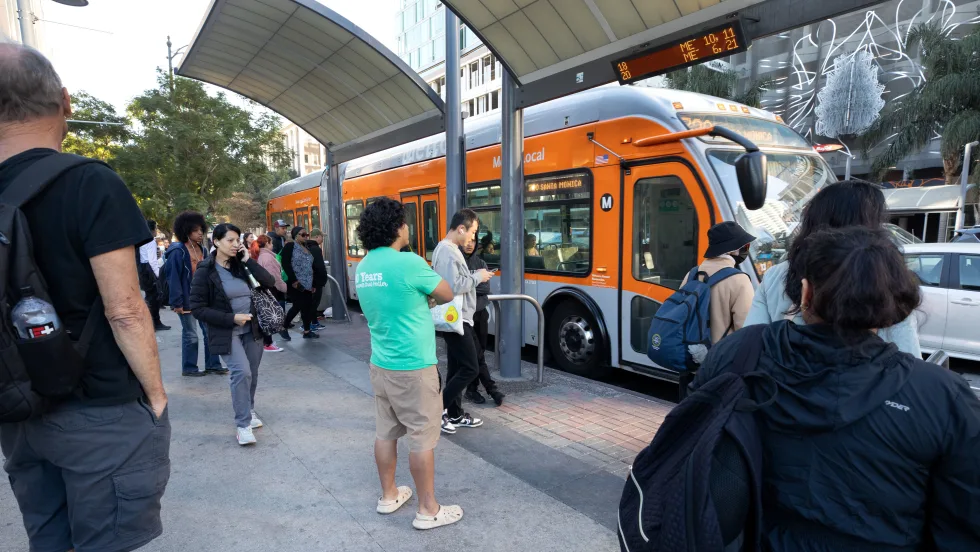
LA Metro September Ridership Climbs 3.9%, Led by Rail Growth
The agency recorded more than 27.2 million boardings, with rail ridership increasing 12.4% year over year and the D Line posting the largest gains.
Read More →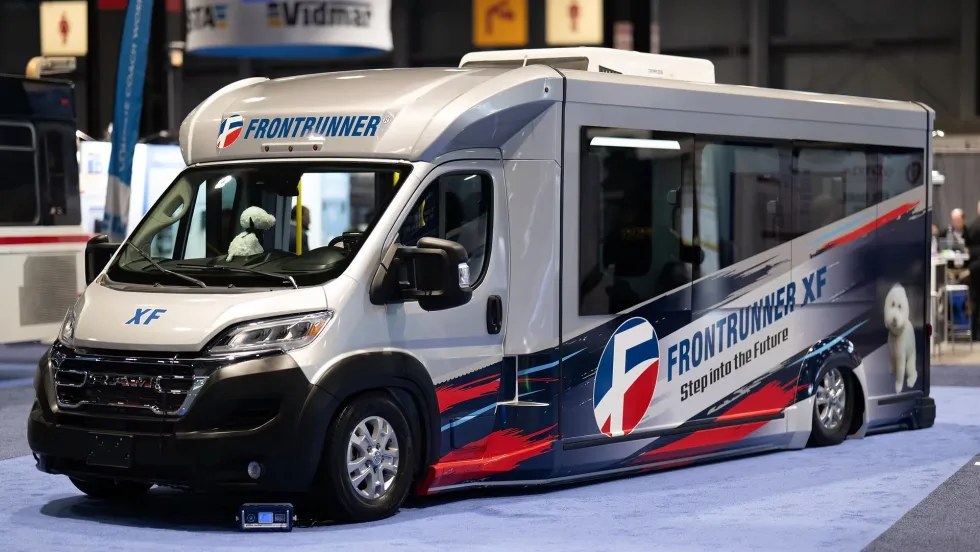
Frontrunner Bus Group Introduces XF Low-Floor Bus with Enhanced Accessibility
The new mid-sized bus features a full flat-floor design, eight-inch curbside step-in height, and zero-entry rear ramp to improve passenger access and operational flexibility.
Read More →
Scenes from APTA TRANSform & EXPO 2026
Transit leaders, manufacturers, and industry professionals gathered in Chicago to explore new technologies, share ideas, and discuss the future of public transportation.
Read More →
More Than a Summer Job: Building the Next Generation of Transit Talent
The Delaware River Port Authority and PATCO have transformed their internship program into a hands-on professional development experience that introduces students to the breadth of transportation careers — and creates a pipeline for future employees.
Read More →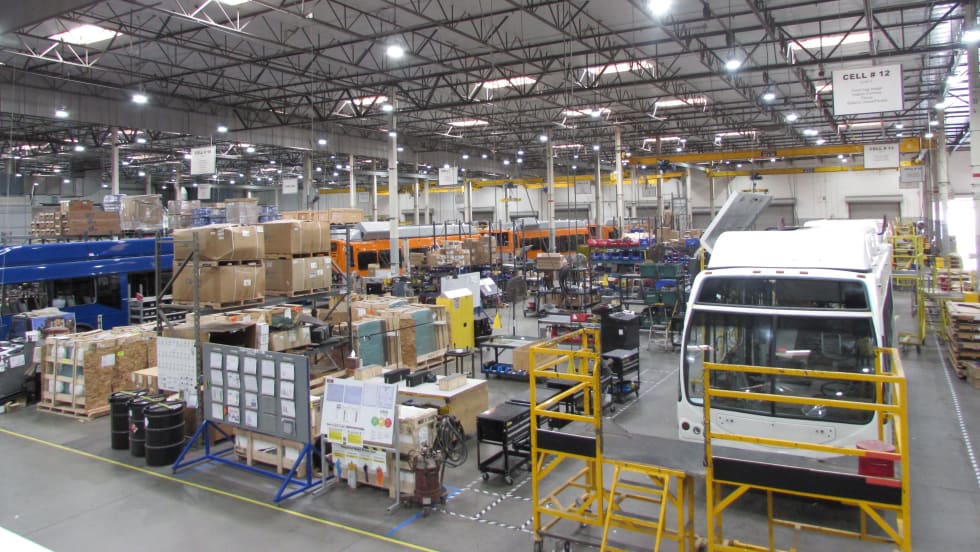
LA Metro Board Awards 220 Battery-Electric Bus Contract to ENC
The contract, which is the largest base award of battery-electric buses by a U.S. transit agency, will be built in Southern California, sustaining good jobs as LA prepares to welcome the world in 2028
Read More →
Public Transit Conference Returning to GFX in 2027, Call for Papers Now Open
The Call for Papers is now open, allowing transit agency professionals and industry experts to help shape the PTC educational program by submitting session ideas for consideration.
Read More →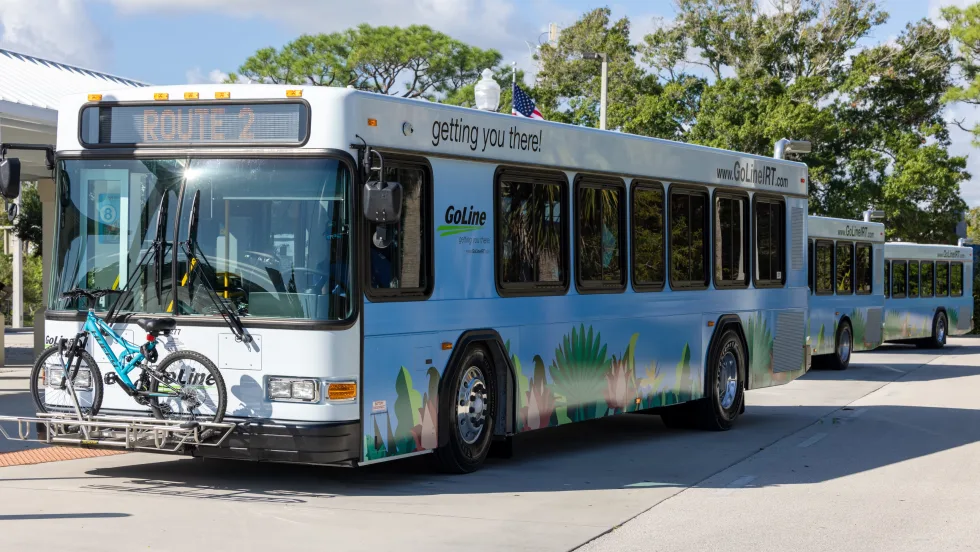
Indian River Transit’s Community-Focused Approach Earns National Recognition
Named APTA’s 2026 Outstanding Public Transportation System in its size category, Florida’s Indian River County transit system continues to grow ridership through fare-free service and a focus on evolving community needs.
Read More →