



N.Y. MTA taps real-time information team
MTA Bus Time will enable bus riders to use smart phones, text messaging or their Web browser to learn how far the next bus is from their stop, saving them time and making bus travel easier. Users also can scan QR codes on bus stop signs to learn instantly when the next bus will arrive.

Cambridge Systematics Inc. and subcontractor OpenPlans Transportation were selected by the New York Metropolitan Transportation Authority (MTA) to develop the software for MTA Bus Time, a real-time bus customer information system for New York City.
MTA Bus Time will enable bus riders to use smart phones, text messaging or their Web browser to learn how far the next bus is from their stop, saving them time and making bus travel easier. Users also can scan Quick Response (QR) codes on bus stop signs to learn instantly when the next bus will arrive.
The system will launch in Staten Island next January, covering all local and express bus routes, and expand to the rest of New York City by mid-2013, covering 6,000 buses and serving 2.5 million riders.
The MTA Bus Time platform will allow third-party developers to build their own apps using real-time bus data, so travelers may soon be able to choose from dozens of different smart phone apps, tailored for different kinds of riders.
MTA Bus Time is a second collaboration between Cambridge Systematics and New York-based OpenPlans Transportation, who have teamed to deploy an open source transit data warehouse in the Atlanta region.
More Rail
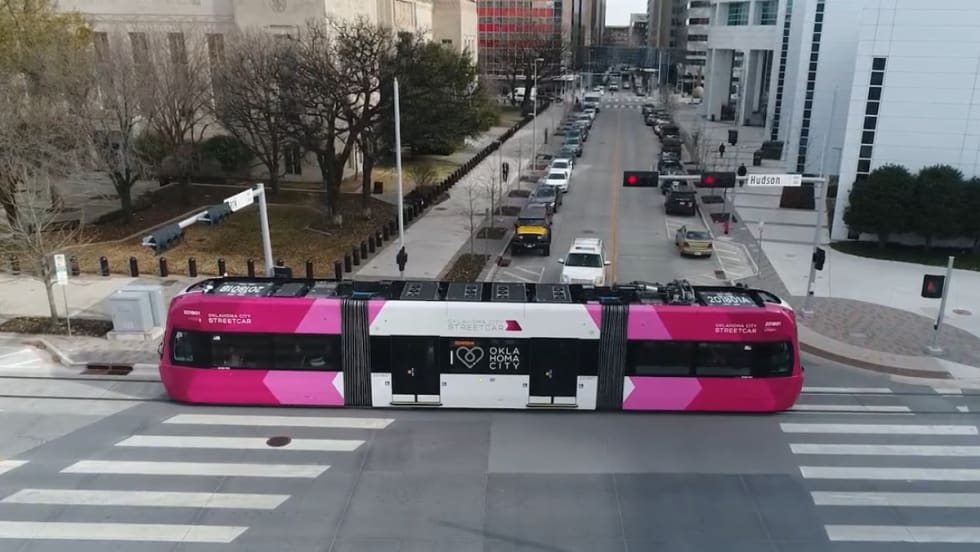
OKC Streetcar Makes Zero-Fare Service Permanent
Ridership increased an average of 71% compared with the same period a year earlier during the fare-free pilot.
Read More →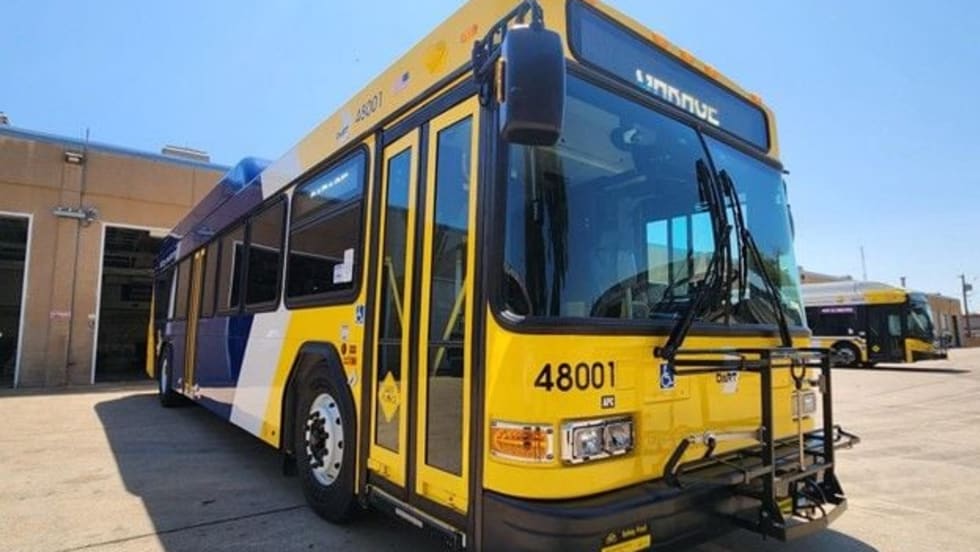
DART Customer Satisfaction Reaches Six-Year High
Overall satisfaction rose to 74.9%, while the agency’s Net Promoter Score reached a record 33.7.
Read More →
How DART's GoPass Is Redefining Regional Mobility
Serving 14 transit agencies, GoPass simplifies multimodal travel by allowing riders to plan, pay for, and manage an entire trip through one app.
Read More →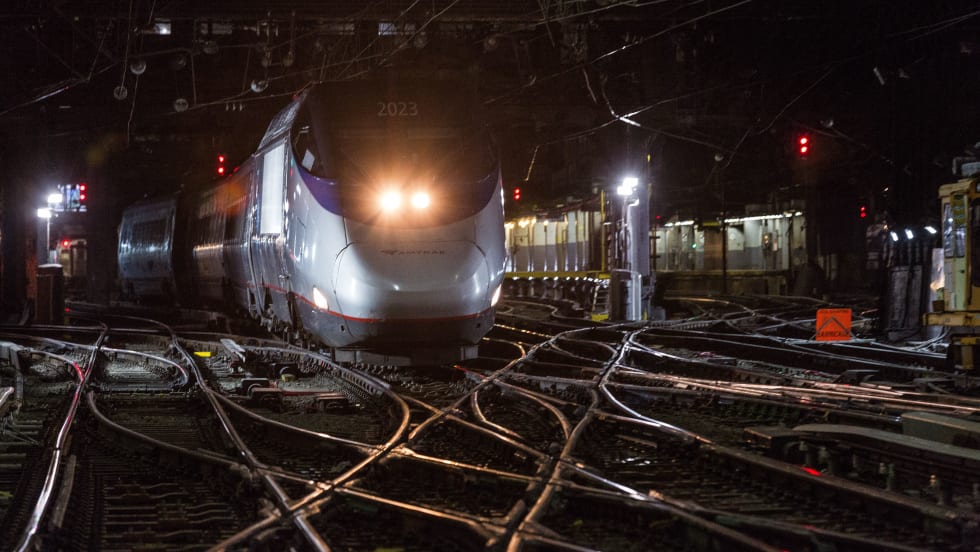
Amtrak Board Advances Plan to Restructure Organization, Seeks Public Input
The proposal, developed by Amtrak management and approved by the board for further consideration, is intended to modernize the organization's structure while improving accountability, operational efficiency, and customer service.
Read More →
Biz Briefs: STV teams with Amtrak, Motorcoach Operators Boost Fleet and Land Contracts, and More
From manufacturers and suppliers to transit agencies and motorcoach operators, these updates offer a snapshot of the projects, partnerships and business moves driving the industry forward.
Read More →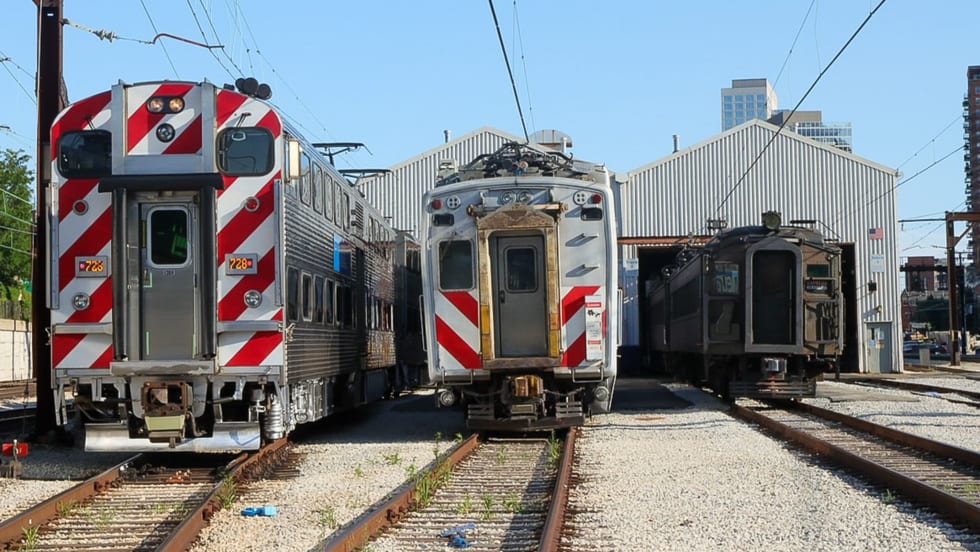
Metra Celebrates 100 Years of Electric Rail, Looks to the Future
The event was also a celebration of recent reforms to public transportation in the Chicago area, changes that could be as transformative in the future as the major civic achievement a century ago, said officials.
Read More →
LA Metro Marks Banner Year, Sets Ambitious Goals for New Fiscal Year
Incoming LA Metro Board Chair and Los Angeles Mayor Karen Bass joined outgoing Board Chair Fernando Dutra and LA Metro CEO Stephanie Wiggins to review accomplishments from fiscal year 2026, which included the opening of new rail extensions, advancement of major transit projects, expanded safety programs, and new rider amenities.
Read More →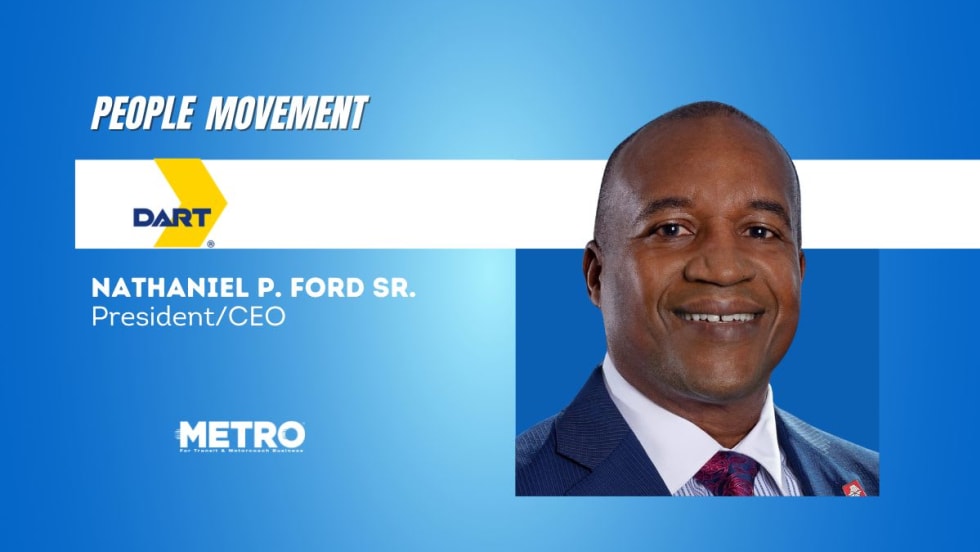
DART Taps Nathaniel P. Ford Sr. as Next President/CEO
Since 2012, Ford has served as the CEO of the Jacksonville Transportation Authority
Read More →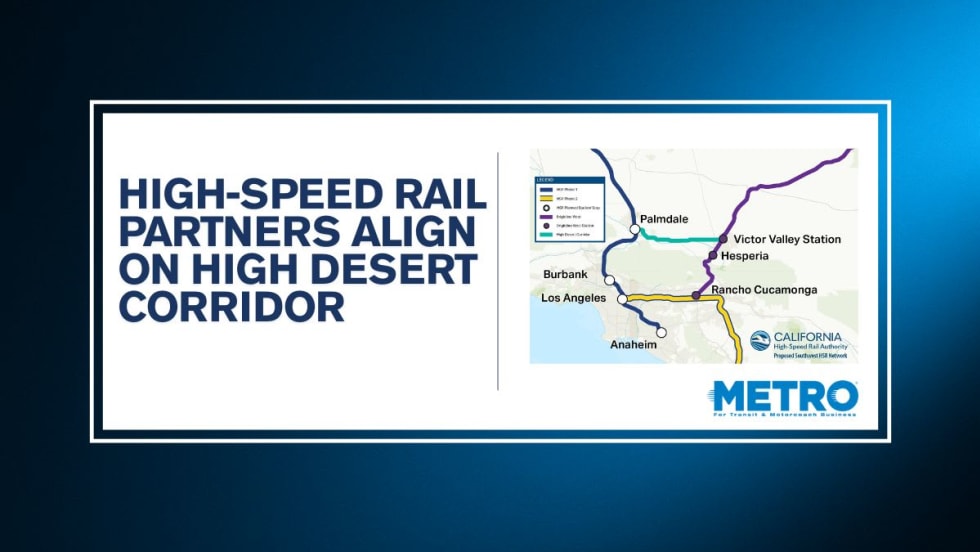
California High-Speed Rail Authority Signs MOU to Advance High Desert Corridor
The agreement deepens collaboration between the California High-Speed Rail Authority and the High Desert Corridor Joint Powers Agency, supporting design integration, cost savings, and faster delivery of a key Southern California rail link.
Read More →
Building the Next Generation of Transit Technology
In this edition of METROspectives, Luminator CEO Magnus Friberg discusses the company's transformation, the growing role of AI and software, and what's next for transit technology.
Read More →