




RELATED: Inadequate planning, insufficient training led to Amtrak derailment
NCTD rail signs on for fed confidential close reporting system
Rail personnel can submit reports when involved in or observe an incident or situation in which railroad safety might be compromised.
August 21, 2019

Per a new program, NCTD railroad personnel can submit reports when they are involved in or observe an incident or situation in which railroad safety might be compromised.
NCTD
2 min to read
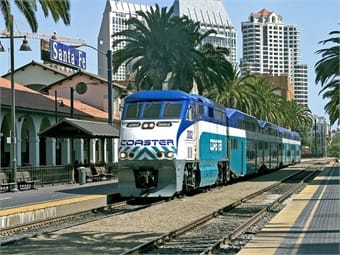
Per a new program, NCTD railroad personnel can submit reports when they are involved in or observe an incident or situation in which railroad safety might be compromised.
NCTD
The North County Transit District (NCTD) has teamed up with the National Aeronautics and Space Administration (NASA) and the Federal Railroad Administration (FRA) to to participate in the Confidential Close Call Reporting System (C3RS) program.
C3RS is designed to improve railroad safety by collecting and analyzing reports which describe unsafe conditions or events in the railroad industry.
Staff and contractors can report safety issues or “close calls” voluntarily and confidentially.
A close call is any condition or event that may have the potential for more serious safety consequences such as a blue flag not removed after releasing railway construction equipment or failing to provide proper track protection during track maintenance.
By analyzing these events, potential life-saving information can be obtained to help prevent more serious incidents in the future.
By identifying close calls on or around the railroad tracks, participating agencies can identify why close calls may occur, recommend and implement corrective actions, and evaluate the effectiveness of any such action that was implemented.
C3RS is in addition and complementary to the many existing safety programs that NCTD currently has in place such as Positive Train Control which is designed to prevent train-to-train collisions, derailments caused by excessive train speed, train movements through misaligned track switches, and unauthorized train entry into work zones.
Confidentiality is a key element of the C3RS program. Railroad personnel can submit reports when they are involved in or observe an incident or situation in which railroad safety might be compromised. All report submissions are voluntary. Reports sent to C3RS are held in strict confidence, and individuals who report are provided waivers from carrier discipline and FRA enforcement of qualifying events.
“Because of NASA’s strict confidentiality policy for these reports, it’s more likely that we’ll get accurate details about the incident,” says NCTD’s Chief Operations Officer-Rail Eric Roe. “Those details can lead to new safety measures that make the tracks safer for everyone on and around the rails.”
C3RS includes partners Bombardier Transportation and and the International Association of Sheet Metal, Air, Rail and Transportation Workers (SMART). Bombardier Transportation is NCTD’s rail operations and maintenance contractor. SMART is the union that represents the conductors and engineers on NCTD’s San Diego Subdivision.
More Security and Safety

Transit Agencies Highlight Safety Gains at National Summit
Leaders from 15 major transit systems shared crime-reduction results and safety initiatives while discussing the role of continued federal support.
Read More →
DART Launches Major Security, Fare Enforcement Initiative
The 90-day demonstration will deploy coordinated security teams at five light rail stations while testing controlled access and gathering data to guide future investments.
Read More →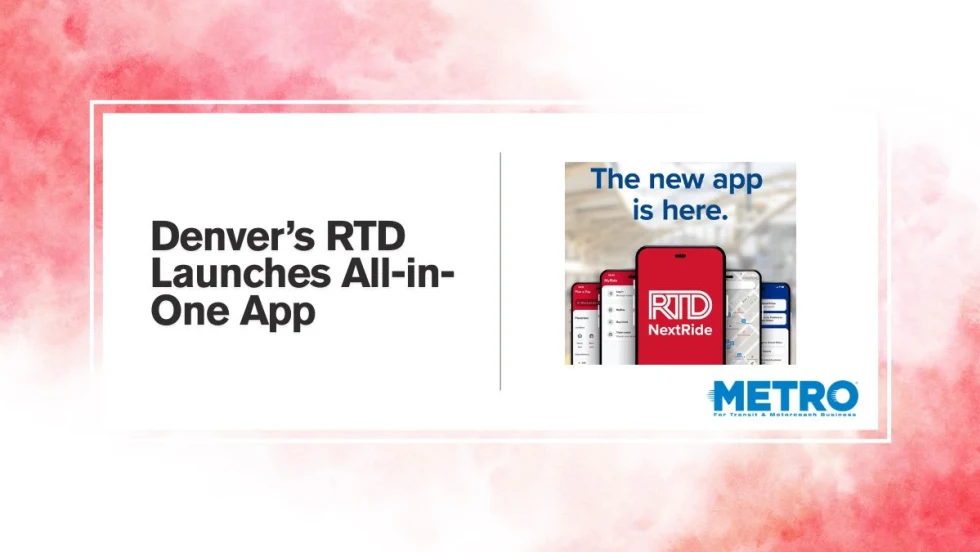
RTD Launches NextRide App to Consolidate Trip Planning, Fares, Security Reporting
The app expands on RTD’s existing NextRide web application and allows customers to view real-time vehicle locations and service alerts, purchase and store digital fares, and access customer support.
Read More →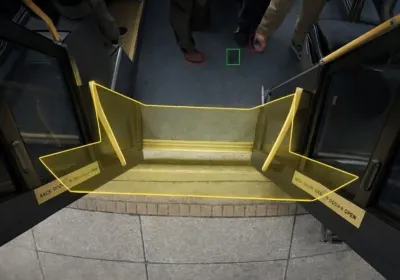
TAPTCO Updates OSHA Compliance Training for Transit Maintenance Operations
The revamped program addresses 26 OSHA standards for maintenance facilities, with TAPTCO pointing to training, documentation, and everyday shop hazards as continuing challenges for transit operations.
Read More →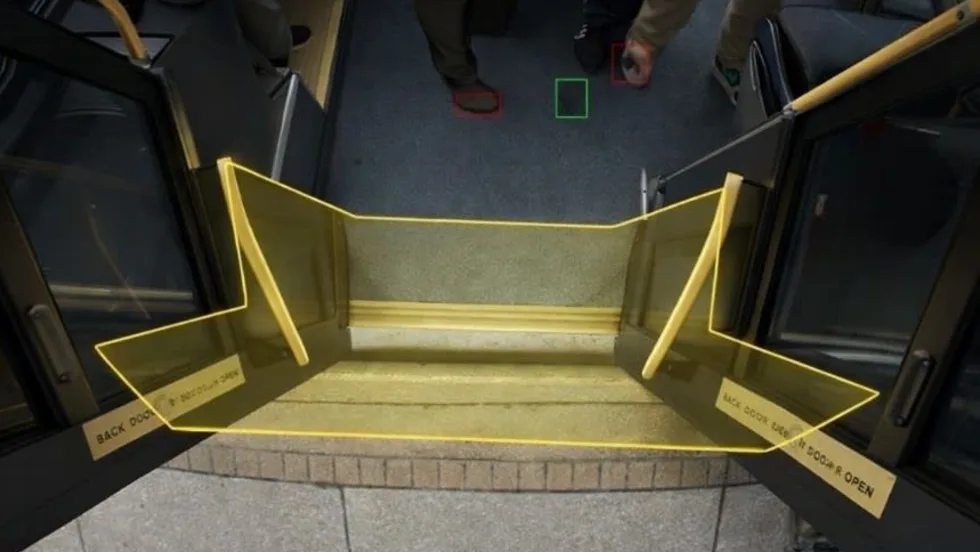
Sponsored•August 18, 2026
How VaporVision Adds Value to Transit Door Systems
Wabtec engineers explain how the system improves doorway detection, strengthens diagnostics and gives transit agencies and OEMs greater operating flexibility.
Read More →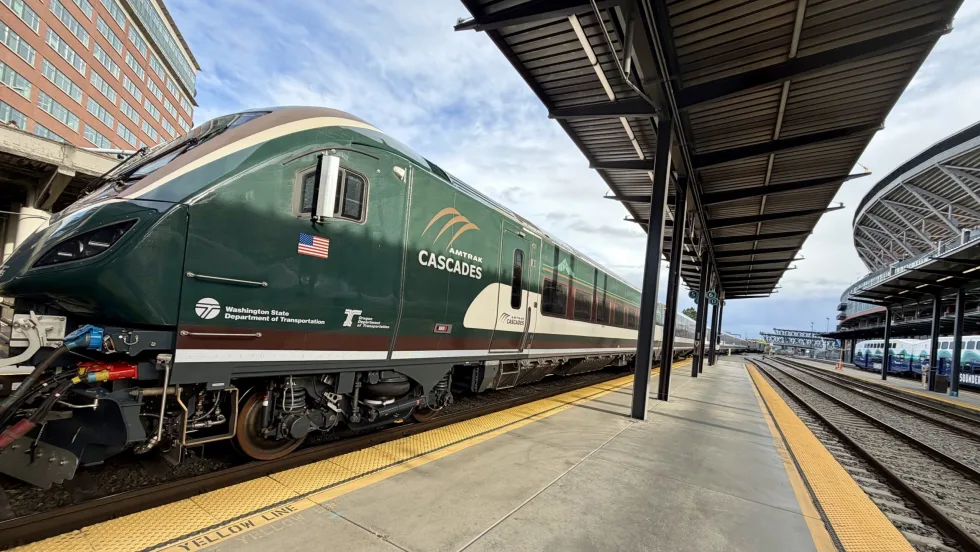
FRA Announces $5.3B in Rail Investments, Including $2B for Amtrak
Funding will support grade-crossing improvements, infrastructure upgrades, and new Amtrak equipment in 23 states.
Read More →
Chicago, Maryland Expand Non-Law-Enforcement Safety, Rider Support
The CTA and MTA are launching new programs aimed at de-escalation, crisis response, rider assistance, and greater transparency.
Read More →
LA Metro, City of West Hollywood, and Partners Advance Smarter Bus Lane Enforcement
The award-winning partnership combines AI-powered detection with human oversight to improve bus reliability, accessibility, and enforcement efficiency.
Read More →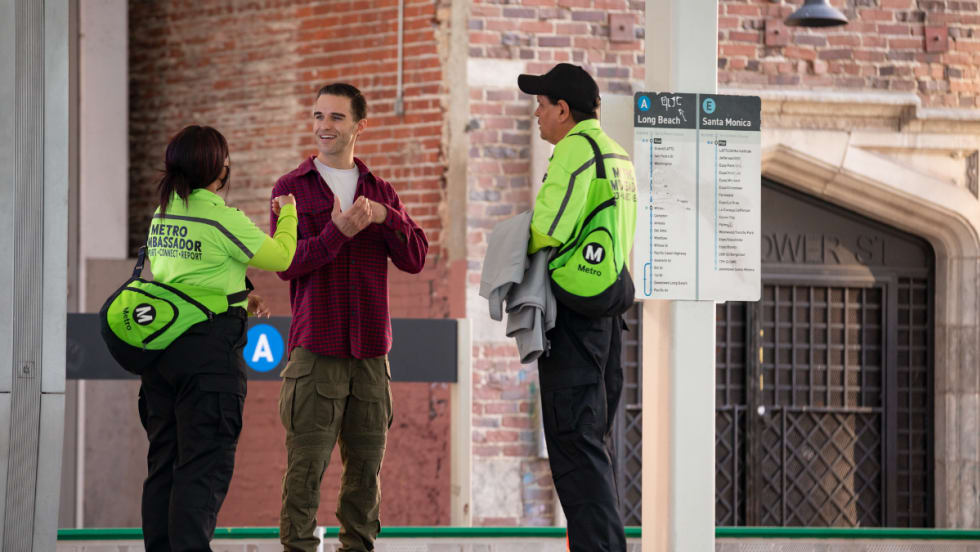
LA Metro Reports 57% Decline in Homelessness on Transit System Since 2024
The agency's latest homelessness count offers new data on how care-based services and cross-sector partnerships can complement traditional transit security strategies.
Read More →
FTA Launches 'Transit Moves America' Dashboard to Highlight Agency Safety and Performance
The online dashboard transforms National Transit Database information into a public-facing resource that allows users to compare transit agencies on key operational and safety metrics.
Read More →