




RELATED: Electrification Enhances Bay Area Commuter Rail, Sets Stage for High-Speed
New APTA study provides framework for measuring high-speed, intercity rail ROI
This seminal report, called "Framework for Assessing the ROI for High-Speed and Intercity Rail Projects," goes beyond the confines of the classic "benefit cost analysis" — which focuses on travel time and cost efficiency impacts.
October 5, 2017
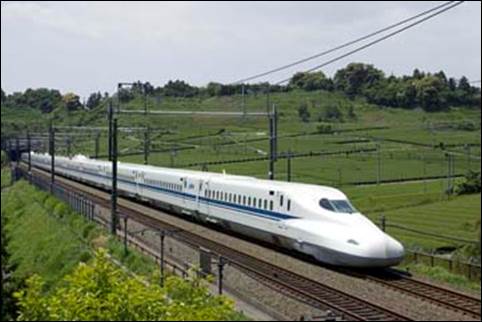
With the nation's highways and airways stressed to near capacity, many Americans are discovering that intercity passenger rail and the promise of high-speed passenger rail service are attractive alternatives.
NCTOG_TexasCentral
2 min to read
With the nation's highways and airways stressed to near capacity, many Americans are discovering that intercity passenger rail and the promise of high-speed passenger rail service are attractive alternatives.
NCTOG_TexasCentral
A new report released by the American Public Transportation Association (APTA) provides a framework for assessing the return on investment (ROI) associated with high-speed and intercity passenger rail projects (HSR&IPR). This seminal report, called "Framework for Assessing the ROI for High-Speed and Intercity Rail Projects," goes beyond the confines of the classic "benefit cost analysis" — which focuses on travel time and cost efficiency impacts.
The new analysis considers the full range of local community effects, regional connectivity and global competitiveness effects, and broader consideration of the public's desire to meet and exceed longer term environmental, economic, and mobility goals for future generations.
"For communities to get a complete picture of high-speed and intercity passenger rail and its benefits, the analysis should involve a combination of methods including a cost-benefit, an economic impact, and a social impact analysis," said Anna Barry of the Connecticut DOT and the chair of the APTA High-Speed and Intercity Passenger Rail Committee. "This study brings important measurement elements together which will help reveal the true value of these rail projects."
Intercity passenger rail demand in the U.S. has shown an unprecedented surge in the new millennium, according to the authors of the report. Amtrak, the primary intercity rail service provider, reported an annual ridership of more than 31 million in 2016, which is 1.5 times what it was in 2000.
With the nation's highways and airways stressed to near capacity, many Americans are discovering that intercity passenger rail and the promise of high-speed passenger rail service are attractive alternatives. Prominent examples include the California, Texas, Midwest, Florida, and North Carolina to Virginia initiatives the study authors noted.
"We reviewed 47 prior studies and identified a large set of benefits related to economic, social, and environmental impacts that can apply specifically to high-speed rail and intercity rail projects," said Charles Quandel of Quandel Consultants and a member of the Technical Review Team. "This study lays out a framework for quantifying and monetizing benefits from policy perspectives that are relevant for constructing a business case for these rail projects."
The study authors emphasize that while there is continuing interest in HSR&IPR projects, this report addresses the wide disparities in how project investment benefits are measured. It goes beyond prior studies by providing consistency as to what benefit and cost elements to consider.
The "Framework for Assessing the ROI for High-Speed and Intercity Rail Projects" is an initiative of APTA's High-Speed and Intercity Passenger Rail Committee. The report was authored by The Urban Transportation Center at the University of Illinois at Chicago, with Boston’s EDR Group. To view the full report, click here.
More Rail

New York MTA Advances Final Contract for Second Avenue Subway Expansion
Contract Four is the largest in the Second Avenue Subway Phase 2 project and includes construction of station infrastructure, tracks, and signals for the subway expansion, MTA officials said. Work on Contract Four will begin in 2027.
Read More →
San Diego MTS Breaks Monthly Trolley Ridership Record
Agency officials said July’s ridership indicates MTS’s continued recovery from the pandemic.
Read More →
Report Examines NJ TRANSIT Reliability, Funding Challenges
The Garden State Initiative analysis examines the roles of Amtrak infrastructure, fleet management, and agency operations while recommending a more performance-based approach to improving reliability.
Read More →
Stadler, CapMetro Sign Long-Term Rail Fleet Support Agreement
Beginning in 2027, Stadler will provide on-site technical expertise, spare parts support, training, and obsolescence management to help extend the reliability and longevity of CapMetro’s GTW fleet.
Read More →
Biz Briefs: Alstom Lands Canadian Contract, LYT to Supply California TSP, and More
In METRO's latest installment, we take a look at recent news from Complete Coach Works, Beep, FlixBus, and more partnerships making headlines across the transportation sector.
Read More →
CATS Gold Line Marks 5 Years of Service, 2.8M Passenger Trips
With a six-mile expansion planned, the Charlotte streetcar is positioned to connect more neighborhoods and major transit hubs across the region.
Read More →
Why Simulating Pedestrian Movement Has Become Essential for Modern Rail Stations
Pedestrian microsimulation is helping rail planners identify bottlenecks, test station designs, and prepare complex transit hubs for growing passenger volumes.
Read More →
Amtrak Begins Major Construction at New York’s Sunnyside Yard
The new maintenance facility will support Amtrak’s Airo trainsets while improving maintenance efficiency and turnaround times in New York.
Read More →
Chicago Leaders Unveil Plans for O’Hare Airport Express Train
The privately developed project would offer a 15-minute trip between downtown and O’Hare’s Terminal 2, with trains operating every 15 minutes on a dedicated track. The service would use battery-electric trains and three existing freight rail rights-of-way.
Read More →
OCTA Maps Out 30-Year Strategy to Protect Coastal Rail Corridor
The draft feasibility report identifies strategies to protect the coastal rail line for decades as the agency continues near-term stabilization and sand placement efforts.
Read More →