



New Flyer Announces Increased Range on 60-Foot Electric Artics
The addition of the seventh and eighth battery strings to the Xcelsior CHARGE NG raises the total capacity of the bus’s energy storage system by 33%, resulting in the addition of approximately 46 more miles of range per charge.

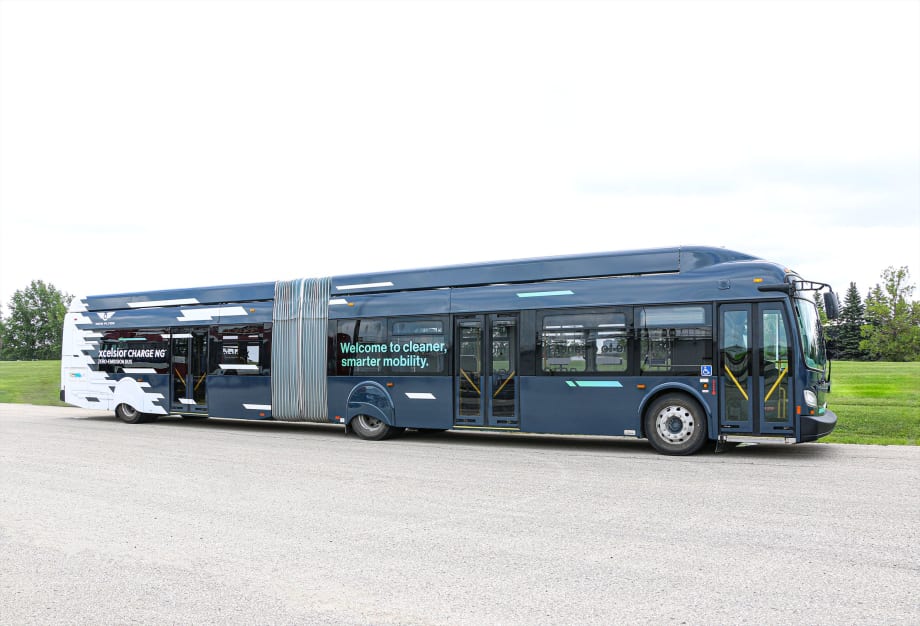
The Xcelsior CHARGE NG buses incorporate three distinct technologies: high-energy batteries, advanced protective battery packaging for easy installation and simple serviceability, and a lightweight electric traction drive system.
Photo: New Flyer
New Flyer has innovated their 60-foot zero-emission, battery-electric Xcelsior CHARGE NG™ to include additional battery strings, increasing the range of the bus. The company will begin demonstrations this month with a newly outfitted eight-string Xcelsior CHARGE NG 60-foot model.
The addition of the seventh and eighth battery strings to the Xcelsior CHARGE NG raises the total capacity of the bus’s energy storage system by 33%, resulting in the addition of approximately 46 more miles of range per charge, according to New Flyer.
The additional range provided by these new battery options, combined with the large passenger capacity of the 60-foot model, makes it ideal for use in high-volume traffic routes and bus rapid transit (BRT).
“The needs of transit agencies are as varied as the communities they serve, and New Flyer prides itself on building the kind of collaborative partnerships necessary to fulfill those demands,” said Chris Stoddart, president, North American Bus and Coach, NFI. “The viability of transit solutions such as BRTs depends on the availability of vehicles that can meet the service requirements they create. These new battery options on the Xcelsior CHARGE NG 60-foot bus allow NFI to address those requirements and the continuously growing demand for long-range zero-emission transit.”
The Path to Today
New Flyer launched its industry leading Xcelsior® bus platform in 2010, and today leverages the design to create commonality across propulsion systems and allow customers to reduce expenses for parts, service, and training.
The company’s first battery-electric bus built on the platform, the Xcelsior CHARGE®, was launched in 2017, and the latest model, the Xcelsior CHARGE NG, was unveiled in March 2021.
In 2016, the battery-electric Xcelsior CHARGE was the first 60-foot, zero-emission heavy-duty transit bus to undergo testing at the Federal Transit Administration’s (FTA) proving grounds in Altoona, Pa.
In 2022, New Flyer’s eight-string 60-foot battery-electric demonstration model returned to Altoona for safety testing, including lane change and brake testing. Today, the company has logged more than 15 million electric vehicle service miles, establishing itself at the forefront of zero-emission transit.
“The increasing demand for zero-emission vehicles creates a growing list of new opportunities and challenges for transit agencies and manufacturers to tackle every day. The extended range offered by this new battery configuration is one of the ways New Flyer is rising to meet those challenges, supporting transit operators in their transition to zero emissions,” said Jennifer McNeill, VP, public sector sales and marketing, New Flyer and MCI. “Owning a demonstration model with this newly extended range brings the theoretical applications for this vehicle into the real world and gives New Flyer the opportunity to prove the capabilities of our zero-emission buses.”
The Xcelsior CHARGE NG buses incorporate three distinct technologies: high-energy batteries, advanced protective battery packaging for easy installation and simple serviceability, and a lightweight electric traction drive system.
More Zero Emissions
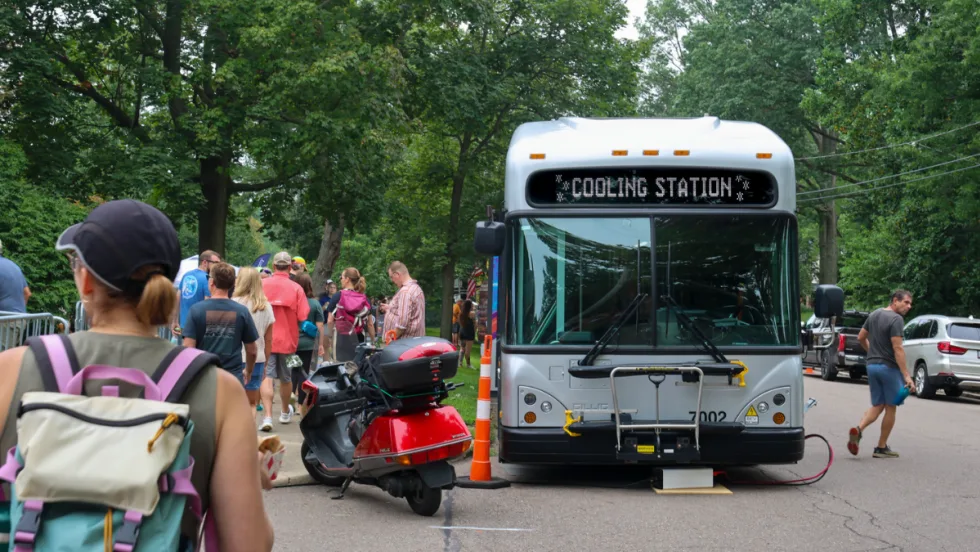
Ohio’s METRO RTA Turns Electric Buses into Mobile Power Sources at PorchROKR
See how three Gillig battery-electric buses powered festival stages while the agency’s new Park & Ride service carried approximately 1,000 attendees, demonstrating another potential use for transit agencies’ electric fleets.
Read More →
CALSTART and Forth Combine to Form Catalyst Mobility
The new name represents a renewed vision for the nonprofit focused on advancing clean, equitable, and affordable transportation solutions that move people and goods.
Read More →
Building a Flexible Path to Transit Electrification
John Hroncich discusses BAE Systems’ modular and scalable approach, lessons learned from decades of real-world operations, and how agencies can identify electrification strategies that fit their fleets.
Read More →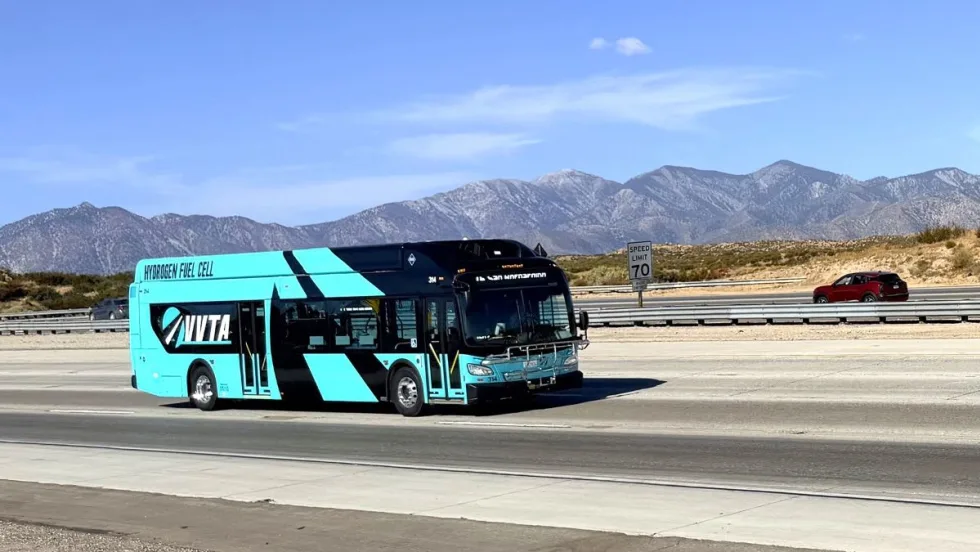
California's VVTA Begins Phased Rollout of Hydrogen Fuel Cell Buses
The agency is introducing 13 zero-emission buses into revenue service while evaluating performance across its urban, rural, and long-distance routes.
Read More →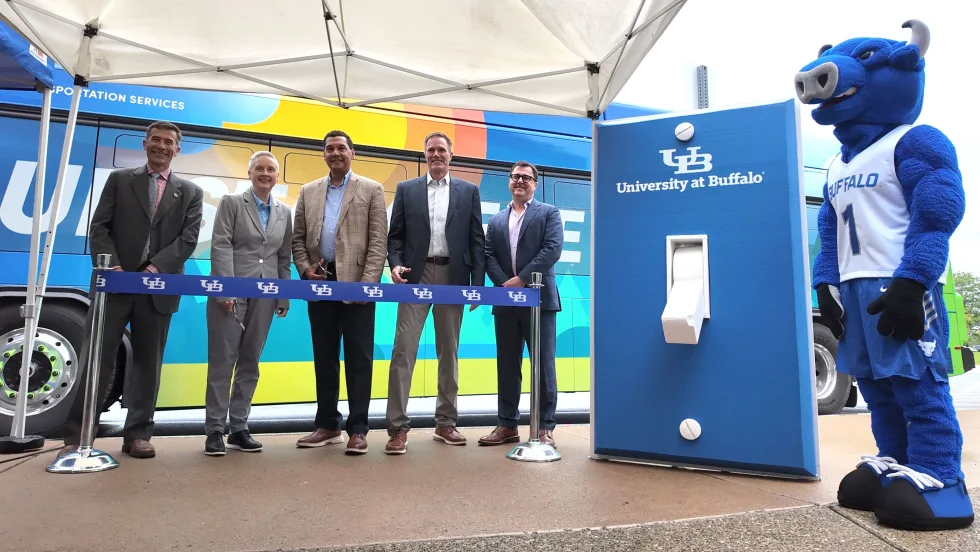
Inside Look: University at Buffalo Puts First 8 Electric Buses Into Stampede Service
UB, transportation solutions provider WeDriveU, and fleet electrification specialist Zenobē marked the deployment in the presence of students, university administrators, and local officials.
Read More →
Biz Briefs: OCTA Taps Clean Energy for Hydrogen Station, Stadler to Supply Via Rail Vehicles, and More
From manufacturers and suppliers to transit agencies and motorcoach operators, these updates offer a snapshot of the projects, partnerships and business moves driving the industry forward.
Read More →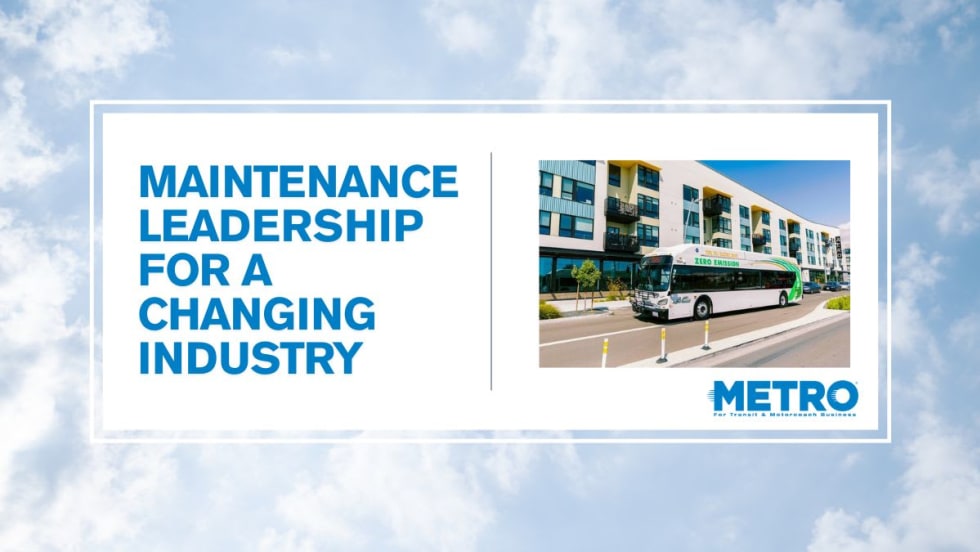
AC Transit’s Cecil Blandon on Building the Next Generation of Transit Maintenance Leaders
The agency’s maintenance chief discusses leadership, workforce development, zero-emission technology, and preparing technicians for the future of public transportation.
Read More →
CTDOT Taps STV for Electric Bus Facility Design
The firm will work with CTDOT and RVT to define the facility layout, operational requirements, and long-term flexibility for RVT’s growing electric fleet.
Read More →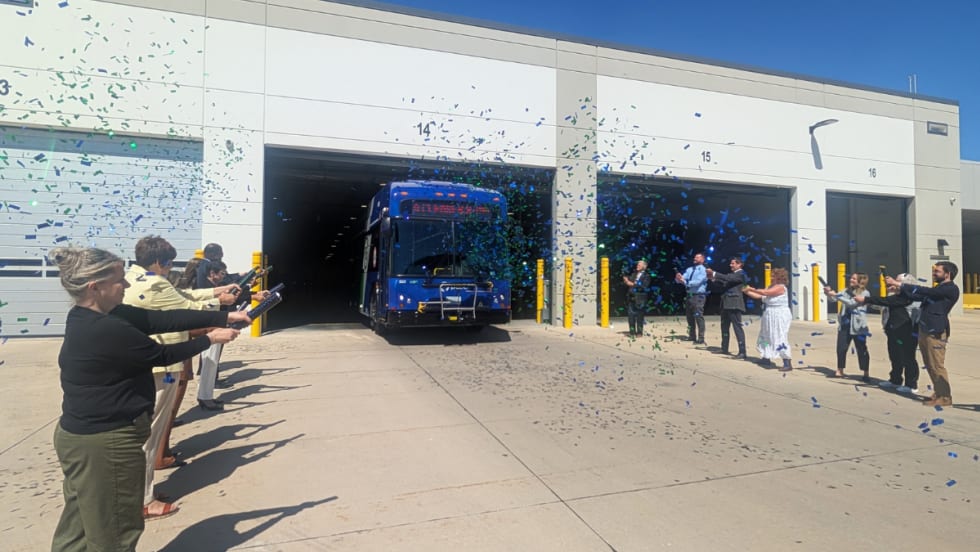
Chicago’s Pace Deploys 24 Hybrid-Electric Buses in Will County
The new buses reduce emissions and fuel consumption while advancing the agency's long-term goal of transitioning to a fully zero-emission fleet.
Read More →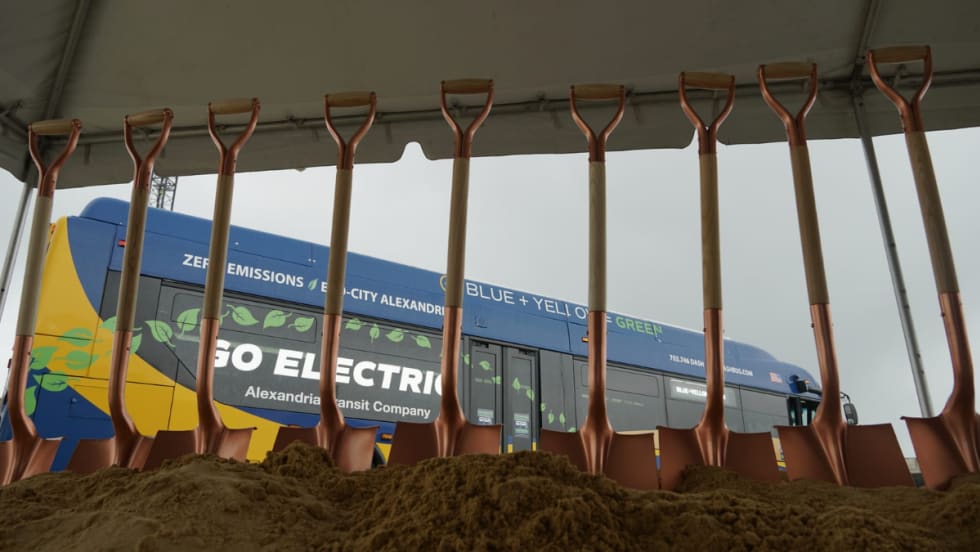
DASH Breaks Ground on First On-Route Electric Bus Chargers in D.C. Region
The fast-charging infrastructure will help extend electric bus range, improve fleet utilization, and support DASH's goal of transitioning to a fully zero-emission fleet.
Read More →