




RELATED: New Flyer, FTA partner for LA Metro research project
New Flyer CHARGE buses part of NY MTA electric bus testing, evaluation program
The program introduces leased zero-emission buses and rapid chargers to the NYCT network and supports New York’s commitment to protect the environment, reduce emissions, and fight climate change.
January 11, 2018
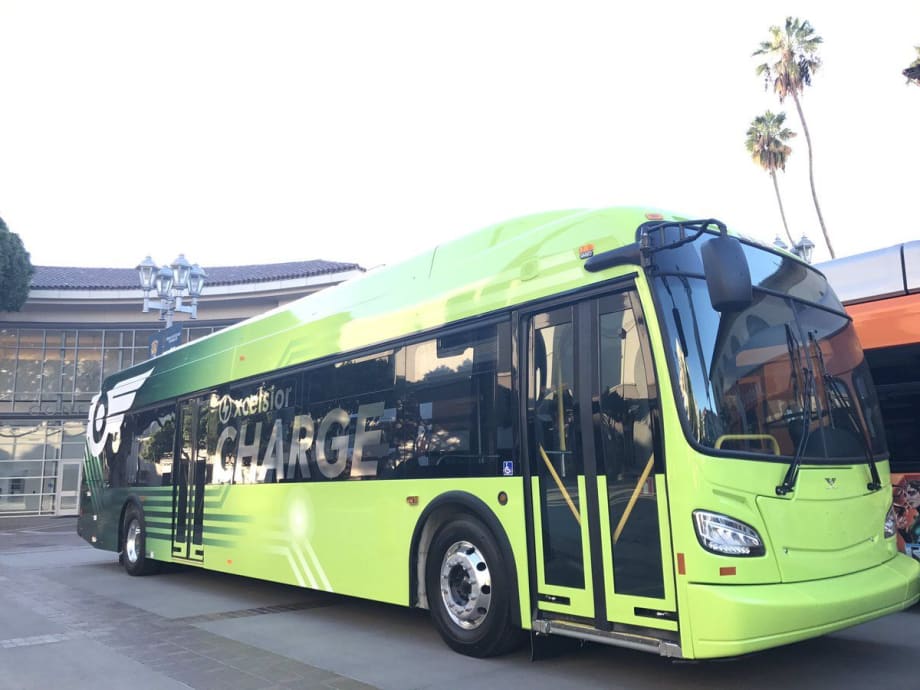
The program will operate across the NYCT system, with the option to rapidly recharge buses at either end of the route.
New Flyer
2 min to read
The program will operate across the NYCT system, with the option to rapidly recharge buses at either end of the route.
New Flyer
New Flyer of America Inc., the U.S. subsidiary of New Flyer Industries Inc. (NFI Group), announced that the New York City Metropolitan Transportation Authority (MTA), acting through the New York City Transit Authority (NYCT), will launch its electric bus test and evaluation program of five Xcelsior CHARGE™ battery-electric, 40-foot heavy-duty transit buses. The program will begin January 2018.
The program introduces leased zero-emission buses and rapid chargers to the NYCT network and supports New York’s commitment to protect the environment, reduce emissions, and fight climate change. The MTA will use program results to refine and develop requirements for future electric bus procurements, and to also ensure buses are fully able to meet the rigors of operating in New York City.
For the program, New Flyer integrated leading battery technology from XALT Energy with high-efficiency electric motors and rapid overhead charging systems from Siemens. The electrical infrastructure is being assembled at Siemens’ Tualatin, Ore., rail electrification facility, and the integration of the technologies produced the most technically advanced transit bus in the industry. New Flyer also partnered with Black & Veatch, a leader in engineering and construction of complex charging networks for fleets nationwide, to deploy the high-power charging infrastructure both on-route and in the depot.
“Our entire organization is focused on bus innovation and advancement,” stated Wayne Joseph, president of New Flyer of America. “Through the NYCT pilot program, we are introducing battery-electric buses to America’s largest transportation network by leveraging proven Xcelsior performance with the best Xcelsior CHARGE™ battery-electric technology and the most efficient charging equipment to create an integrated, reliable zero-emission bus system. We are proud to bring New Yorkers a solution that is not only environmentally-friendly, but also provides the quietest and most accessible bus ride available for the urban community and surrounding boroughs.”
The program will operate across the NYCT system, with the option to rapidly recharge buses at either end of the route. The on-route rapid charging system used by New Flyer and Siemens allows battery-electric buses to operate continuously without returning to a depot for recharging. Similar New Flyer buses and charging systems are anticipated to follow in Los Angeles, Portland, Salt Lake City, and Boston in 2018.
The MTA is North America's largest transportation network, serving a population of 15.3 million people in the 5,000-square-mile area from New York City through Long Island, southeastern New York State, and Connecticut.
More Technology

From Hardware to Digital Partner: Luminator Charts Its Next Chapter
CEO Magnus Friberg discusses Luminator’s shift toward becoming a digital partner, the growing importance of software and interoperability, and how AI can help agencies improve operations and passenger experience.
Read More →
Beyond the Checklist: A Structured Approach to Transit Maintenance
Reliability-Centered Maintenance helps transit agencies move beyond routine checklists to focus limited resources on the assets and failures that have the greatest impact on safety, reliability, and service.
Read More →
NJ TRANSIT Advances Bus Technology Upgrades Across Statewide Fleet
More than 1,500 buses now feature upgraded technology designed to improve arrival predictions and provide free Wi-Fi, with deployment expected to reach nearly 2,000 buses by the end of 2026.
Read More →

Building a Flexible Path to Transit Electrification
John Hroncich discusses BAE Systems’ modular and scalable approach, lessons learned from decades of real-world operations, and how agencies can identify electrification strategies that fit their fleets.
Read More →
Biz Briefs: Alstom Lands Canadian Contract, LYT to Supply California TSP, and More
In METRO's latest installment, we take a look at recent news from Complete Coach Works, Beep, FlixBus, and more partnerships making headlines across the transportation sector.
Read More →
Sponsored•September 8, 2026
From Legacy Silos to Conversational Intelligence
What if transit leaders could ask any operational question and get a trusted answer in seconds? Conversational AI is transforming how agencies use their data.
Read More →
USDOT Announces Rail Vehicle Replacement Grants, Chattanooga AV Shuttle Funding
More than $191 million in federal funding will help three transit agencies replace aging rail vehicles and support a new autonomous shuttle service in Chattanooga.
Read More →
Bus Tech Talk: Keeping Transit Technicians Ahead of the Technology Curve
LA Metro’s Obed Mejia discusses technician training, evolving maintenance technology, fleet replacement, and strategies for getting the most out of today’s transit fleets.
Read More →
Biz Briefs: RIPTA Unveils New Frontrunners, Clevland RTA Adds New Siemens, and More
In METRO's latest installment, we take a look at recent news from Siemens, Prevost, Dodge, and more partnerships making headlines across the transportation sector.
Read More →
Why Simulating Pedestrian Movement Has Become Essential for Modern Rail Stations
Pedestrian microsimulation is helping rail planners identify bottlenecks, test station designs, and prepare complex transit hubs for growing passenger volumes.
Read More →