



NJ TRANSIT adding 332 more MCI Commuter Coaches
This additional board authorization now increases the total number of approved options contract to 1,104 over the next six years, with a total value of approximately $561 million.

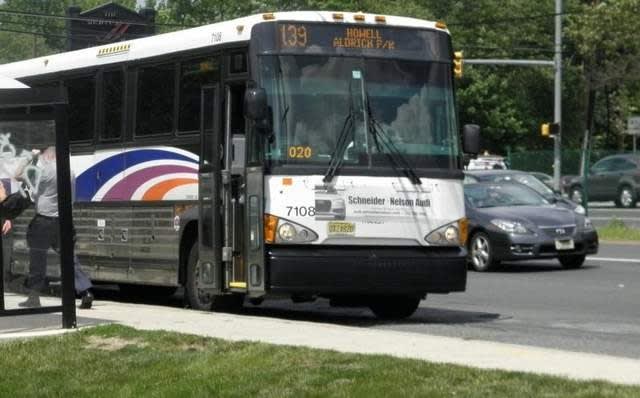
Motor Coach Industries (MCI), a subsidiary of New Flyer Industries Inc., announced that the NJ TRANSIT board of directors authorized an option to purchase an additional 332 MCI 45-foot Commuter Coaches at an estimated value of $166 million.
In July 2015, MCI and NJ TRANSIT signed a public transit contract for 772 new commuter coaches to operate on New Jersey’s roads and highways. This additional board authorization now increases the total number of approved options contract to 1,104 over the next six years, with a total value of approximately $561 million.
MCI is in the process of delivering three pilot buses to NJ TRANSIT, and following a successful in-service evaluation and funding approval, a purchase order is expected for the first-year production.
The new 57-seat coaches will be Wi-Fi ready, seatbelt-equipped, compliant with the Americans with Disabilities Act (ADA) and deliver reduced exhaust emissions as required by the latest Clean Air Act amendment.
“The MCI Commuter Coach provides a high level of reliability and enhanced passenger riding comfort for NJ TRANSIT, and we’re proud the agency has once again called on us to assist with rejuvenating their fleet,” said Patrick Scully, MCI executive VP, sales and marketing. “As passenger demographics continue to change and passengers look for an upscale ridership experience, MCI will be there to supply the latest safety technology with enhanced in-cabin amenities that draw ridership. Whether it’s bus rapid transit, extended suburban service or traditional routes inside the city center, MCI is here to help NJ TRANSIT grow their routes.”
MCI`s Commuter Coach features a rugged semi-monocoque structure that elevates passengers and drivers above traffic and offers dynamic safety features, low total cost of operation and excellent mean distance between failures performance.
MCI won its first contract with NJ TRANSIT for 700 MC-9 cruiser buses in 1982, with the agency purchasing an additional 415 in 1987. In 2000, the agency awarded MCI the largest public transit order in North American bus-industry history with a 1,400 vehicle contract intended to improve service to outlying city and expanding suburban areas throughout the state.
More Bus

People Movement: Dan Dipert Coaches Adds Third-Generation Leader, Keolis Names New Valley Metro VP/GM, and More
In this edition, we also cover recent appointments and announcements at the Wabtec, SilverRide, HNTB, and more, showcasing the individuals helping to shape the future of transportation.
Read More →
New York MTA Plans Largest Bus Fleet Upgrade in More Than a Decade
The agency is seeking manufacturers for 650 new CNG buses to replace aging vehicles, improve reliability, and advance its broader fleet modernization strategy.
Read More →
Building a Flexible Path to Transit Electrification
John Hroncich discusses BAE Systems’ modular and scalable approach, lessons learned from decades of real-world operations, and how agencies can identify electrification strategies that fit their fleets.
Read More →
Bus Tech Talk: Keeping Transit Technicians Ahead of the Technology Curve
LA Metro’s Obed Mejia discusses technician training, evolving maintenance technology, fleet replacement, and strategies for getting the most out of today’s transit fleets.
Read More →
Biz Briefs: RIPTA Unveils New Frontrunners, Clevland RTA Adds New Siemens, and More
In METRO's latest installment, we take a look at recent news from Siemens, Prevost, Dodge, and more partnerships making headlines across the transportation sector.
Read More →
People Movement: Holly Arnold Joins Transdev and More
In this edition, we also cover recent appointments and announcements at Pace, CamTran, MCI, and more, showcasing the individuals helping to shape the future of transportation.
Read More →
The High Cost of Transit Buses: Industry Leaders Look to Procurement Reform
Transit leaders and policymakers examine how standardized bus designs, streamlined procurement, and predictable funding could help agencies stretch budgets and deliver better service.
Read More →
The Business Voice Behind Public Transportation
As chair of APTA’s Business Members Board of Governors, Ray Melleady explains how more than 850 business members are partnering with transit agencies to advance funding, innovation, and industry-wide collaboration.
Read More →
From Surviving to Thriving: Building Stronger Transportation Organizations
Bus Business Consultants founder Brian Dickson shares lessons on leadership, organizational health, and creating options for long-term success in a changing transportation industry.
Read More →
Finding the ‘Happy Medium’: Optimizing Maintenance Without Sacrificing Reliability
The key to maintenance optimization isn’t doing less work—it’s doing the right work at the right time on the right assets.
Read More →