



NJ TRANSIT Issues RFI for Unified Real-Time Customer Information Platform
The agency is seeking input from companies that provide real-time transit communications systems as part of an effort to enhance the customer experience and modernize how riders receive service alerts, travel information, and system status updates.

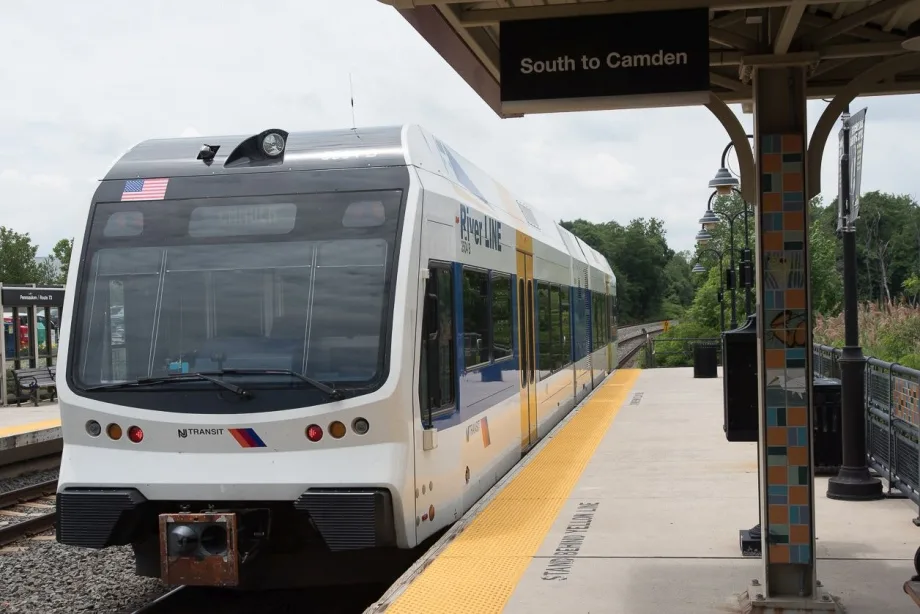
NJ TRANSIT said the effort will ultimately lead to a unified customer communications platform that leverages modern technology to increase the accuracy, efficiency, timeliness, and consistency of customer communications across the statewide transit system.
NJ TRANSIT
- NJ TRANSIT is seeking input from companies specializing in real-time transit communication systems.
- The initiative aims to enhance customer experience by modernizing service alerts and travel information.
- The goal is to improve how riders receive real-time updates on system status.
*Summarized by AI
NJ TRANSIT has issued a Request for Information (RFI) to explore new customer communication technologies to improve the delivery of real-time service information and system updates across its communications channels.
The agency is seeking input from companies that provide real-time transit communications systems as part of an effort to enhance the customer experience and modernize how riders receive service alerts, travel information, and system status updates.
By studying the most current available technologies in the industry, NJ TRANSIT will better understand existing capabilities to inform the scope of work for a forthcoming procurement process.
NJ TRANSIT said the effort will ultimately lead to a unified customer communications platform that leverages modern technology to increase the accuracy, efficiency, timeliness, and consistency of customer communications across the statewide transit system.
“Like systems at many companies and agencies around the globe, NJ TRANSIT’s customer communication tools were developed over decades, often as independent, disparate systems. This requires significant manual intervention across multiple systems to provide the most consistent, up-to-date information,” NJ TRANSIT President/CEO Kris Kolluri said. “Technology solutions exist today that make it possible for us to deliver consistently accurate, unified, real-time information to customers, regardless of the communication channel our customers rely on for information. We are committed to delivering a solution for our customers that transforms the way we communicate travel information.”
NJ TRANSIT’s RFI
The RFI asks companies to share information regarding commercially available platforms, custom-developed systems, and innovative ways to integrate these systems using Artificial Intelligence and other tools to provide customers with a single source of accurate and timely information regarding train and bus status, across multiple platforms, including NJ TRANSIT’s mobile app, website, email and text alerts, digital station signage, and more.
Currently, NJ TRANSIT disseminates customer communications through multiple systems, including:
- Station and onboard digital signage.
- DepartureVision and MyBus systems.
- Mobile applications.
- Websites and microsites.
- SMS and push notifications.
- Email alerts.
- Social media platforms.
- Real-time data feeds and third-party data feeds.
- Public address and operational messaging systems.
The RFI advances the ongoing modernization and unifies these systems into an authoritative source that provides accurate, up-to-date information to customers consistently and simultaneously across all communication channels, said the agency.
The new platform will be capable of supporting real-time operational communications, improving consistency and speed of customer messaging, and enhancing accessibility and multilingual communications. The agency also seeks to build the new system in a way that can readily be updated and expanded to accommodate growth and future needs.
What’s Next
The RFI is being issued solely for informational purposes to enable NJ TRANSIT to study and develop the best solution or solutions for its needs at a reasonable cost. The deadline for submissions is September 17, 2026.
The agency plans to host an industry day in August for interested parties, providing an overview of the project, process, and timeline. Once that process is completed, the agency will commence a more formal procurement process. NJ TRANSIT expects to award a final contract to create the new system in 2027, said officials.
The Unified Customer Communications System project follows on the heels of NJ TRANSIT’s launch of a completely redesigned mobile app and a $3 billion Fleet Modernization program, in which the agency approved the purchase of 374 new Multilevel III train cars to replace its aging fleet fully, and since 2018, has received more than 1,000 new buses with authorization to purchase 1,400 additional buses. The fleet is expected to be fully modernized by 2031, for the first time in NJ TRANSIT’s 40-year history.
Quick Answers
NJ TRANSIT is seeking input from companies that provide real-time transit communications systems to enhance the customer experience and modernize service alerts, travel information, and system status updates.
*Summarized by AI
More Technology

From Hardware to Digital Partner: Luminator Charts Its Next Chapter
CEO Magnus Freiberg discusses Luminator’s shift toward becoming a digital partner, the growing importance of software and interoperability, and how AI can help agencies improve operations and passenger experience.
Read More →
Beyond the Checklist: A Structured Approach to Transit Maintenance
Reliability-Centered Maintenance helps transit agencies move beyond routine checklists to focus limited resources on the assets and failures that have the greatest impact on safety, reliability, and service.
Read More →
NJ TRANSIT Advances Bus Technology Upgrades Across Statewide Fleet
More than 1,500 buses now feature upgraded technology designed to improve arrival predictions and provide free Wi-Fi, with deployment expected to reach nearly 2,000 buses by the end of 2026.
Read More →

Building a Flexible Path to Transit Electrification
John Hroncich discusses BAE Systems’ modular and scalable approach, lessons learned from decades of real-world operations, and how agencies can identify electrification strategies that fit their fleets.
Read More →
Biz Briefs: Alstom Lands Canadian Contract, LYT to Supply California TSP, and More
In METRO's latest installment, we take a look at recent news from Complete Coach Works, Beep, FlixBus, and more partnerships making headlines across the transportation sector.
Read More →
From Legacy Silos to Conversational Intelligence
What if transit leaders could ask any operational question and get a trusted answer in seconds? Conversational AI is transforming how agencies use their data.
Read More →
USDOT Announces Rail Vehicle Replacement Grants, Chattanooga AV Shuttle Funding
More than $191 million in federal funding will help three transit agencies replace aging rail vehicles and support a new autonomous shuttle service in Chattanooga.
Read More →
Bus Tech Talk: Keeping Transit Technicians Ahead of the Technology Curve
LA Metro’s Obed Mejia discusses technician training, evolving maintenance technology, fleet replacement, and strategies for getting the most out of today’s transit fleets.
Read More →
Biz Briefs: RIPTA Unveils New Frontrunners, Clevland RTA Adds New Siemens, and More
In METRO's latest installment, we take a look at recent news from Siemens, Prevost, Dodge, and more partnerships making headlines across the transportation sector.
Read More →
Why Simulating Pedestrian Movement Has Become Essential for Modern Rail Stations
Pedestrian microsimulation is helping rail planners identify bottlenecks, test station designs, and prepare complex transit hubs for growing passenger volumes.
Read More →