



Obama proposes $94.7B U.S. DOT budget
Includes a six-year $478 billion surface transportation reauthorization proposal that would improve America’s highways, ports and transit networks.

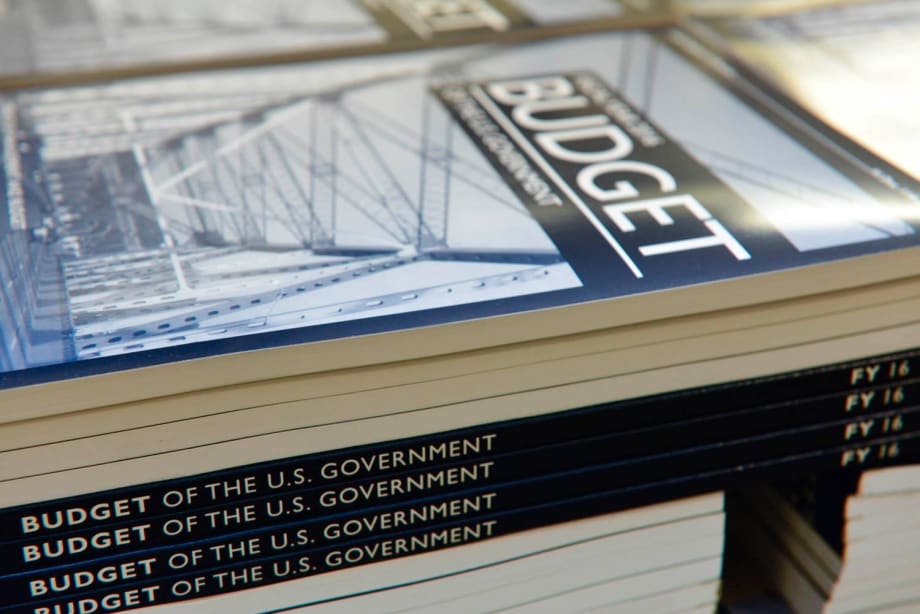
Photo: The White House
Photo: The White House
U.S. Transportation Secretary Anthony Foxx announced President Obama’s $94.7 billion Fiscal Year 2016 Budget for the U.S. Department of Transportation (U.S. DOT). The proposal makes critical investments in infrastructure needed to promote long-term economic growth, enhance safety and efficiency, and support jobs for the 21st century.
Speaking at a town hall at Google headquarters in Mountain View, Calif., Foxx highlighted the president’s budget proposal, which notably includes funding to advance research and autonomous vehicles, while announcing his report “Beyond Traffic,” a look at future trends and choices that will impact America’s transportation system over the next three decades.
“Our budget proposal lays the foundation for a future where our transportation infrastructure meets the demands of a growing population and an economy that depends on the free flow of freight,” said Foxx. “This Administration is looking towards the horizon — the future — but to do this we need Congress’ partnership to pass a long-term reauthorization to put Americans to work rebuilding America.”
The last year has demonstrated the pitfalls of repeated short term funding extensions and is why the President’s FY 2016 budget creates additional certainty with a six-year $478 billion surface transportation reauthorization proposal that would improve America’s highways, ports and transit networks. The proposal would better ensure these systems are safe, and support the development of a high-performance rail system. The proposed budget would be paid for in part with $238 billion from transition revenues generated from pro-growth business tax reform.
Closing the Infrastructure Deficit
In the last six years, Congress has passed 32 short-term measures that have failed to adequately address the needs of the country’s aging infrastructure. To keep roads and bridges in good condition, all levels of government — federal, state and local — will need to spend at a minimum $124 billion annually; current spending is at $100 billion. For transit projects alone, there is an $86 billion backlog in maintenance needs that grows each year.
To tackle infrastructure deficit and support job creation, the six-year budget includes $317 billion to rebuild America’s roads and bridges, an increase of almost 29% over current investment in the country’s highway system. To help meet growing demand, the budget provides more than $143 billion to create and improve transit and passenger rail service.
To encourage private sector investment, the budget includes $1 billion annually for credit assistance for nationally or regionally significant transportation projects through the Transportation Infrastructure Finance and Innovation Act (TIFIA) Program. The budget would also create a new Office of the Assistant Secretary for Innovative Finance to manage the U.S. DOT’s credit programs and help projects develop plans to utilize innovative financing.
To improve safety on our commuter systems, the budget provides $3 billion over six years to help with the implementation of Positive Train Control. In addition, $29 billion would be provided for targeted infrastructure investments for deficient roads and bridges through the Critical Immediate Safety Investments Program, including $7.35 billion for rural communities.
For more highlights of the budget, click here.
More Management

CATS Launches West Charlotte Microtransit Zone, Expands Transit Services
The new microtransit zone connects residents to key destinations as Charlotte Area Transit System rolls out the first phase of its 2055 Transit System Plan.
Read More →
VIA Bus Ridership Grows 10.1% Through August 2026
San Antonio's VIA Metropolitan Transit reported the highest bus ridership growth among major Texas transit systems. Federal Transit Administration data ranked it second among the nation's 50 largest transit systems.
Read More →
CSA Group Releases Climate Resilience Standard for Transit, Passenger Rail
Developed with support from the Standards Council of Canada, CSA D700 guides assessing climate-related risks and planning adaptation measures for transit and passenger rail systems.
Read More →
ETA CEO John Maglio on Transit Technology, Innovation, and Building Agency Trust
ETA founder and CEO John Maglio explores the evolution of transit technology, the importance of reliable systems, and how stronger partnerships can help agencies improve operations and the passenger experience.
Read More →
COTA Launches First Customer Experience Action Plan to Improve Transit Service
The new plan outlines improvements to service reliability, accessibility, communication, and the overall rider experience across Central Ohio's transit system.
Read More →
LA Metro September Ridership Climbs 3.9%, Led by Rail Growth
The agency recorded more than 27.2 million boardings, with rail ridership increasing 12.4% year over year and the D Line posting the largest gains.
Read More →
Utilimarc Launches SmartReplace to Optimize Fleet Replacement Decisions
AI-powered SmartReplace helps fleets prioritize vehicle replacements, model budget scenarios, and build more defensible long-term strategies.
Read More →
APTA Honors 2026 Award Winners, Hall of Fame Inductees at TRANSform & EXPO
Innovations in autonomous and zero-emission transportation, standout transit systems, and industry leadership took center stage among this year's honorees.
Read More →
7 Ways to Build a Better Transit Internship Program
Lessons from DRPA/PATCO’s approach to creating a meaningful internship experience—and developing the next generation of transportation professionals.
Read More →
Scenes from APTA TRANSform & EXPO 2026
Transit leaders, manufacturers, and industry professionals gathered in Chicago to explore new technologies, share ideas, and discuss the future of public transportation.
Read More →