



OCTA Focused on Longer-Term Rail Stabilization Efforts
The action comes just two weeks after the OCTA board approved a framework for addressing the rail issues in Orange County to help ensure uninterrupted rail service for passenger and goods movement along the second busiest rail line in the nation.


The planning study is expected to take approximately two years, assessing existing and future risks and identifying challenges to the maintenance and operations of rail service along the coastal rail line through Orange County.
Metrolink
Calif.’s Orange County Transportation Authority (OCTA) approved releasing a request for proposals for the South Coast Rail Infrastructure Feasibility Study and Alternative Concepts Analysis, which will work with partners to analyze the issues threatening track stability and guide future planning efforts to find effective solutions.
The action comes just two weeks after the OCTA board approved a framework for addressing the rail issues in Orange County to help ensure uninterrupted rail service for passenger and goods movement along the second busiest rail line in the nation.
“While the priority has been to complete the emergency work as soon as possible, we are also moving forward quickly with our partners to find longer-term solutions,” said OCTA Chairman Gene Hernandez, also the Mayor of Yorba Linda. “This is just the beginning of an effort that will help us ensure that rail traffic can continue moving safely and efficiently through this corridor for passengers, commerce and our military interests.”
The planning study is expected to take approximately two years, assessing existing and future risks and identifying challenges to the maintenance and operations of rail service along the coastal rail line through Orange County.
The study will involve key stakeholders and technical experts. Collaboration with local, state, and federal partners will be more firmly established throughout this planning process. The study is estimated to cost $2 million, with grant funding already identified. It will provide the framework for future efforts to mitigate the risk to track stability.
The study is the first step of a phased approach to examine short- to medium-term solutions that would protect the existing rail line. A separate second-phase study would look at longer-term options, including potential relocation of the rail line.
The second-phase study is estimated to cost $5 million, and OCTA is currently seeking external funding. If this funding is secured, the studies would move forward concurrently.
Emergency Work Continues
The emergency work along 700 feet of rail line in south San Clemente continues. Following heavy rains recently that delayed construction, crews resumed weekday work to install ground anchors and tiebacks to secure the hillside next to the tracks.
Since the first row of ground anchors was completed in late January, the track has stopped shifting, which allowed weekend passenger rail service to safely resume. On Feb. 4, the LOSSAN Rail Authority, which operates Amtrak’s popular Pacific Surfliner, restarted weekend passenger service.
OCTA continues to work with its contractor on weekdays to install a second row of ground anchors and tie-backs to further secure the hillside next to the track. That work is scheduled to continue into early April, when regular weekday passenger service could resume, according to an update presented to the board.
More Rail
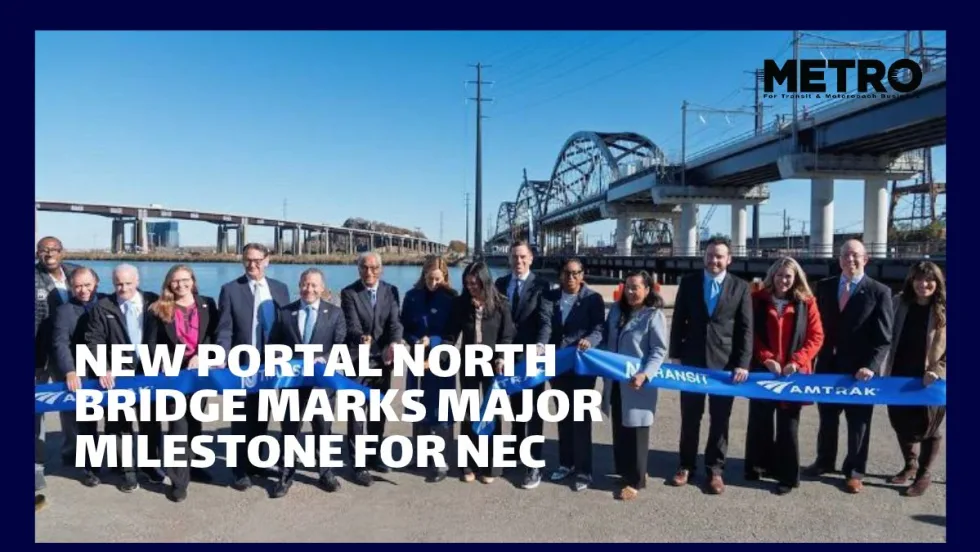
Amtrak, NJ TRANSIT Launch Full Service on New Portal North Bridge
The completion of the two-track bridge over the Hackensack River eliminates a longstanding source of delays for NJ TRANSIT and Amtrak customers. It marks a major milestone for the Gateway Program.
Read More →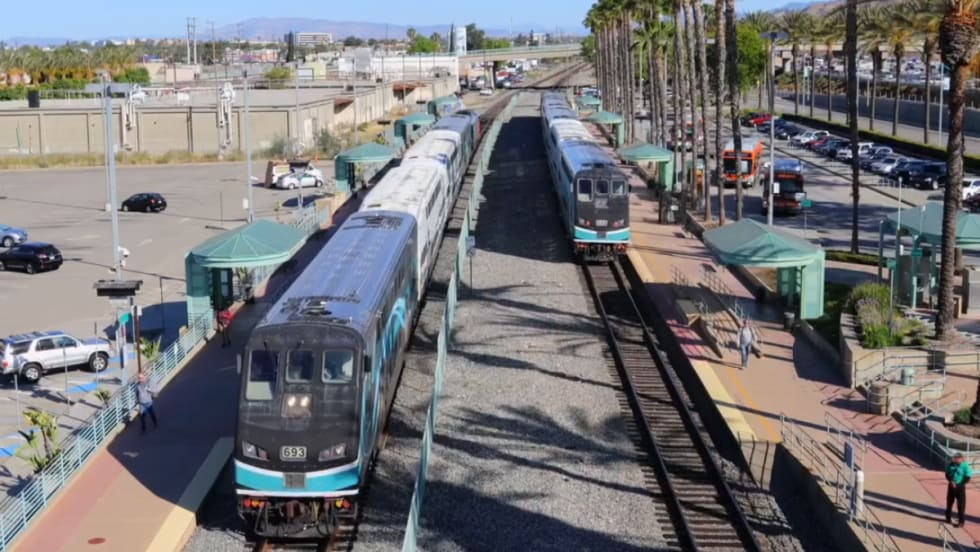
Southern California’s Metrolink Approves $508.8M Budget, Avoids Service Cuts
A $20 million state allocation allows the regional rail agency to maintain existing weekday and weekend service through fiscal year 2028, although longer-term funding challenges remain.
Read More →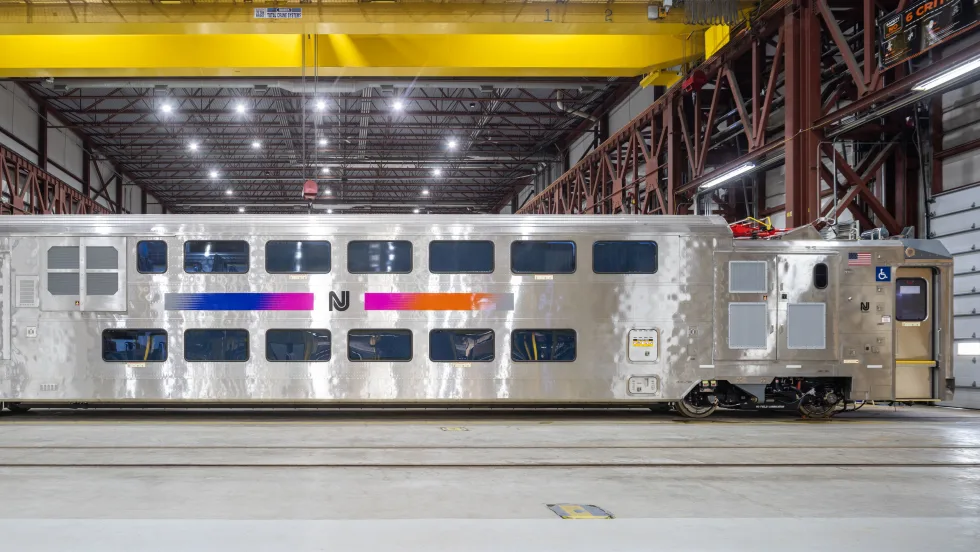
NJ TRANSIT Approves $65.6M for Hudson-Bergen Light Rail Improvements
The funding marks the first phase of a planned $250 million investment over five years to modernize stations, overhaul vehicles, and improve system reliability and passenger safety.
Read More →
STraffic Expands North American Presence with Fare Collection Technology
John Moon, Associate Director, Product Strategy at STraffic, discusses the company's growth in North America, its efforts to reduce fare evasion, and more.
Read More →
Study: Denver RTD Generates $2.1 Billion in Annual Economic Activity
An economic impact study finds the agency supports approximately 17,500 jobs, delivers $1.6 billion in annual community and mobility benefits, and generates $2.42 in economic value for every dollar invested.
Read More →
Mark Aesch Nominated to Lead Federal Transit Administration
The former Rochester transit chief and TransPro founder, who has also contributed to METRO Magazine, brings decades of industry experience and a focus on performance, accountability, and financial sustainability to the nomination.
Read More →
Transit Expands Agency Partnerships, Reaching 200 Official App Partners
COO Jake Sion discusses Transit’s growth, the success of its Transit Royale program, and how technology is helping agencies improve the rider experience.
Read More →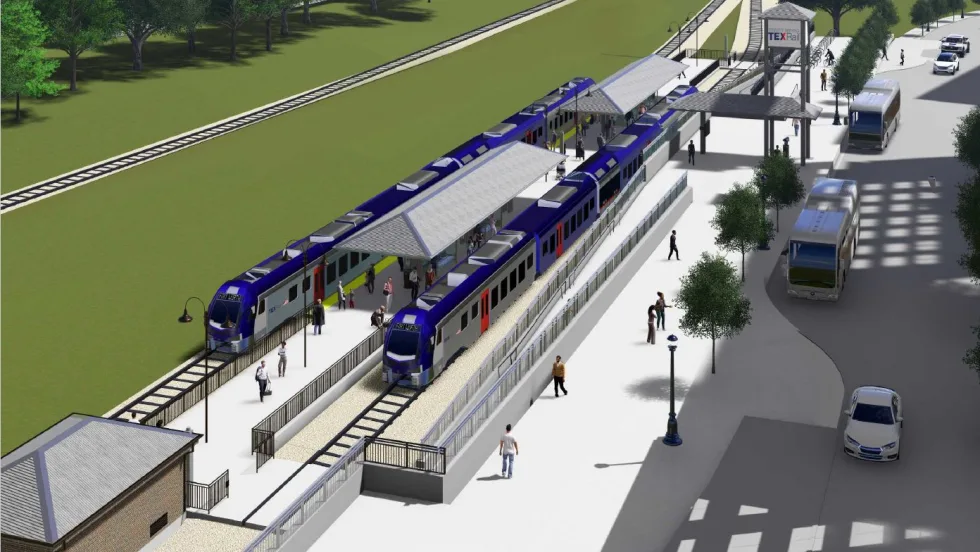
Trinity Metro Breaks Ground on $270M TEXRail Extension
The 2.1-mile extension will connect Fort Worth’s Medical District and Near Southside to downtown, surrounding communities, and Dallas-Fort Worth International Airport.
Read More →
Bringing Austin’s First Light Rail System to Life
Austin Transit Partnership CEO Greg Canally discusses the city's nearly 10-mile light rail project, its collaborative approach to project delivery, the importance of community engagement, and the milestones ahead as construction approaches in 2027.
Read More →
Metra Draft Plan Outlines Costs, Service Improvements for Regional Rail
The Systemwide Network Plan identifies infrastructure needs and potential investments to expand all-day, bidirectional rail service across the Chicago region.
Read More →