



OCTA pushes for changes to Transportation Improvement Program
With nearly $50 billion invested each year by the federal government in transportation programs — equaling approximately 868,000 jobs — OCTA is advocating a three-pronged approached called “Breaking Down Barriers.”

The Orange County Transportation Authority (OCTA) is pioneering a nationwide effort to create jobs and rebuild infrastructure by pushing to expedite the federal environmental process to allow vital transportation improvements to get under way.
The current problem? The lengthy process to make changes to the Transportation Improvement Program (TIP), limited bidding options with no pre-award authority and repetitive requirements in the environmental process.
“These barriers can add significant delays to project funding, which in turn delay jobs and the nation’s economic recovery,” said Will Kempton, chief executive officer of OCTA. “Our goal is to speed up the process to generate employment opportunities and make much-needed improvements to our highways, roadways and railways.”
With nearly $50 billion invested each year by the federal government in transportation programs — equaling approximately 868,000 jobs — OCTA is advocating a three-pronged approached called “Breaking Down Barriers” which will:
Delegate the TIP amendment process to state or local agencies to speed up the process
Allow TIP projects to move forward as design-build when possible and modify design standards to be more flexible so projects can be built more quickly
Set a defined time period for permit approvals to keep projects moving
“The environmental process is essential to ensure we are making improvements that benefit our communities and are sensitive to the surroundings,” said Kempton. “But unnecessary process delays are preventing critical projects from getting under way.”
OCTA has taken this message around the country through meetings with congressional members, officials at the Federal Highway Administration and officials with various state departments of transportation.
Recently, OCTA lead a discussion regarding the initiative at the American Public Transportation Association’s annual conference in San Antonio, Texas. The State Affairs Committee, Federal Policies and Procedures Committee, and Policy and Planning Committee were briefed on OCTA’s effort and pledged their support to help see the Breaking Down Barriers plan become a reality.
OCTA is not alone in this endeavor. U.S. Congressman John Mica (R-Fla.) is advocating for The 437 Day Plan — an effort to expedite project planning similar to what was accomplished with the Minneapolis Bridge (I-35W), which was rebuilt in 437 days after its collapse in 2007.
Congressman Mica’s plan calls for:
Improving the efficiency of environmental reviews such as combining environmental impact statement reviews and the record of decision
Advancing pre-construction activities by allowing agencies to purchase land during the environmental review period
Promoting integrated planning and programming by recognizing environmental decisions during the planning process
Clarifying environmental roles and eliminating duplication, which includes establishing a pilot program that delegates environmental review responsibilities to states with similar or more stringent standards
The Federal Highway Administration also is working on an initiative to deliver projects more quickly. The "Every Day Counts" plan proposes:
Identifying environmental, community and economic goals early in the planning stage and carrying them through design and construction
Involving attorneys early to avoid problems later
Expanding the use of programmatic agreements
Expanding the use of in-lieu fees and mitigation banking
Giving flexibility in right-of-way acquisition and utility relocation
“We need to continue working with our partners at the local, state and federal levels to find solutions to the barriers that are preventing our nation from getting back to work,” said Kempton. “It is encouraging to see our representatives working toward this goal and I look forward to continuing our effort to expedite the process.”
More Bus

Building the Next Generation of Transit Technology
In this edition of METROspectives, Luminator CEO Magnus Friberg discusses the company's transformation, the growing role of AI and software, and what's next for transit technology.
Read More →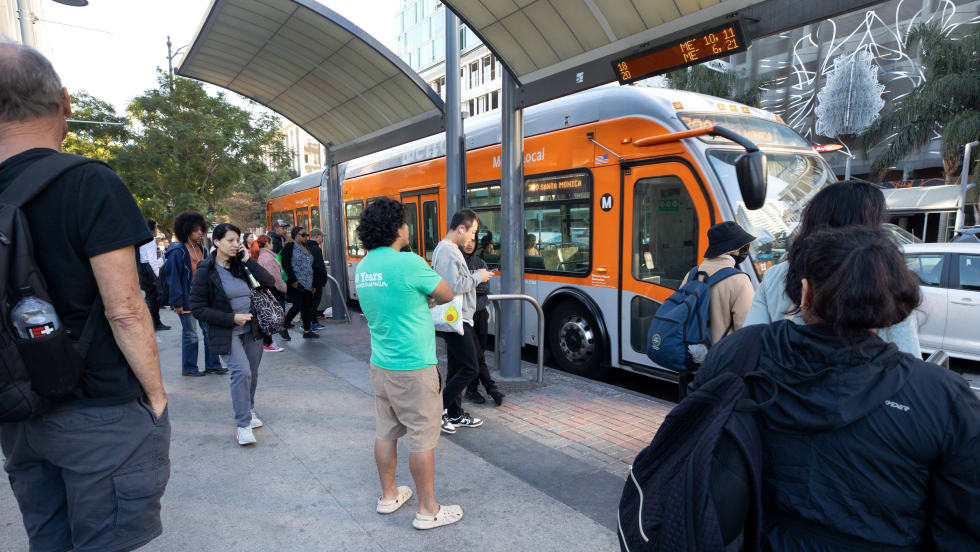
June LA Metro Ridership Surges 2 Million Year Over Year
Total June ridership increased for both weekdays and weekends. Weekday ridership was 953,820, which grew 8.4% from June 2025; Saturdays increased nearly 13% year-over-year to 708,826; and Sundays increased 7.7% to 611,534 from June 2025, according to LA Metro.
Read More →
Washington's Pierce Transit Board Sends Transit Funding Measure to November Ballot
With the adoption of Resolution 2026-006, the measure moves to the Pierce County Auditor, giving voters in the Pierce Transit service area the decision on whether to fund an expansion of local transit service within the agency’s service area.
Read More →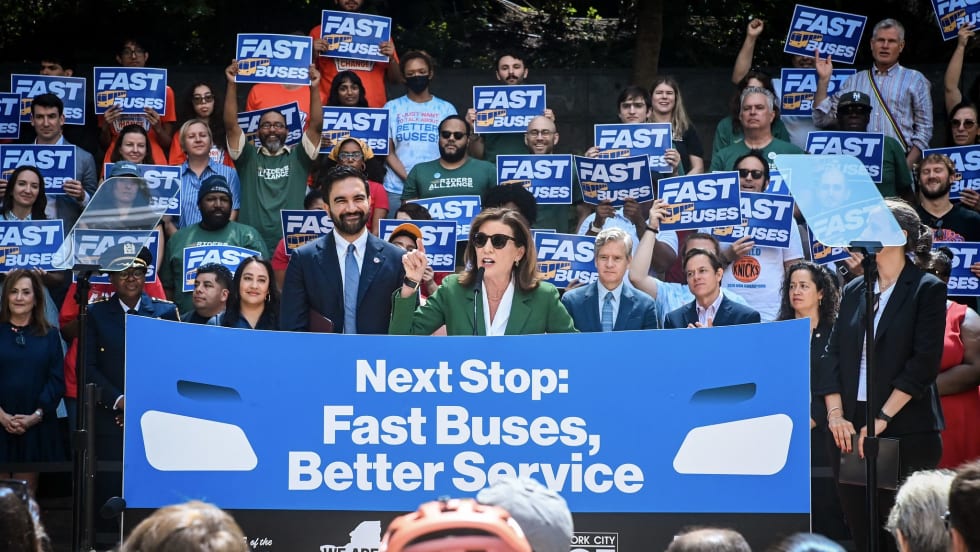
New York Unveils Sweeping Plan to Modernize City Bus Service
Next Stop: Fast Buses, Better Service identifies 50 priority bus corridors for improvements across the five boroughs and launches the City’s next generation of rapid bus service along five key routes.
Read More →
CTDOT Taps STV for Electric Bus Facility Design
The firm will work with CTDOT and RVT to define the facility layout, operational requirements, and long-term flexibility for RVT’s growing electric fleet.
Read More →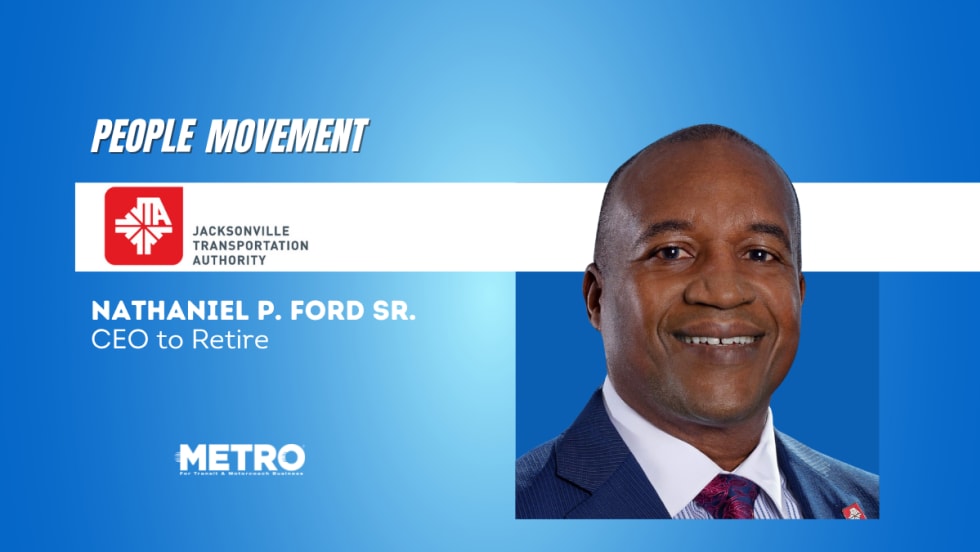
Ford to Leave JTA After More Than 10 Years as CEO
He plans to continue his work advancing innovative mobility solutions to improve the quality of life in communities across the nation. He did not announce specific plans.
Read More →
Transit Leaders Push for Bus Procurement Reforms to Reduce Costs
Industry experts said reducing unnecessary bus customization and modernizing purchasing practices could help transit agencies buy more vehicles, improve reliability, and make better use of limited funding.
Read More →
Executive Order Aims to Improve Transit Access Across California
The order directs state agencies to streamline transit project delivery, improve coordination, and expand access to bus and passenger rail services across California.
Read More →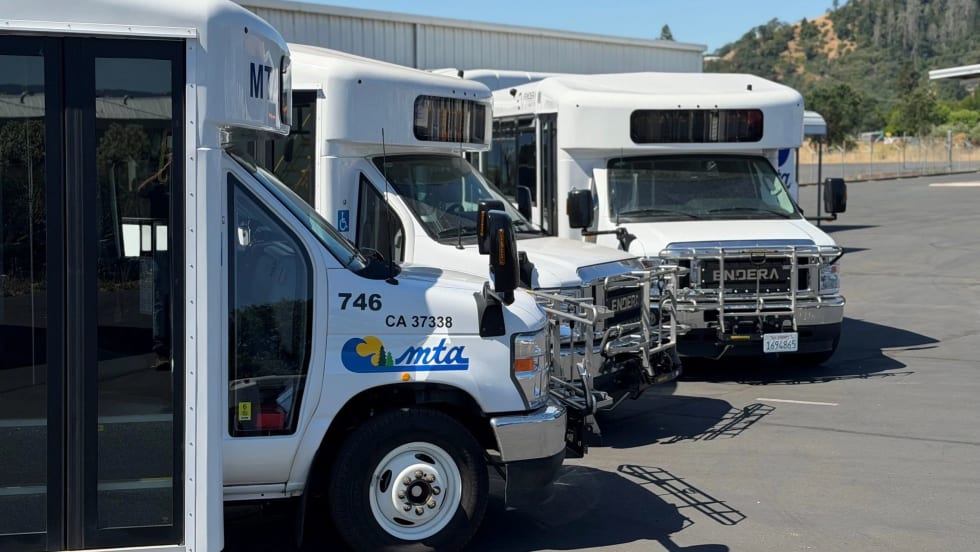
Biz Briefs: Endera Delivers to California, Safety Vision Teams with San Antonio's VIA, and More
From manufacturers and suppliers to transit agencies and motorcoach operators, these updates offer a snapshot of the projects, partnerships and business moves driving the industry forward.
Read More →
VIA's Silver Line Clears Environmental Review, Advances Toward Construction
The VIA Rapid Green Line is currently under construction, with service expected to begin in April 2028.
Read More →