



OCTA Unveils First Two Battery-Electric Buses
The two plug-in electric buses have begun operating on routes throughout various parts of the county, part of a pilot program of 10 plug-in electric buses that will be tested.
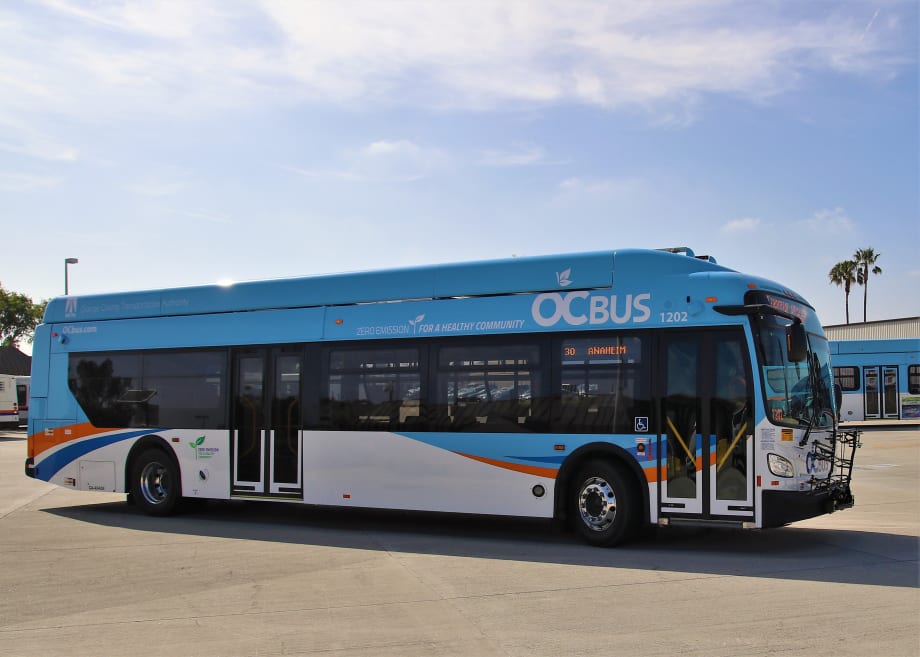
The $10.4 million contract with New Flyer of America Inc. was approved by the OCTA’s board in 2020 for the 10 plug-in electric buses.
OCTA
The Orange County Transportation Authority (OCTA) recently introduced its first two plug-in battery-electric buses.
The two plug-in electric buses have begun operating on routes throughout various parts of the county, part of a pilot program of 10 plug-in electric buses that will be tested. The remaining eight buses are expected to be delivered later this year.
In 2020, OCTA also began operating 10 hydrogen fuel-cell electric buses. This new pilot will help determine which technology — or mix of technologies — will work best for Orange County moving forward.
The move is part of OCTA’s plan to convert the OC Bus fleet to 100% zero-emission technology by 2040.
The $10.4 million contract with New Flyer of America Inc. was approved by the OCTA’s board in 2020 for the 10 plug-in electric buses.
The buses may not be immediately distinguishable from other OC Buses to passengers, since they carry the familiar blue, white, and orange branding. They are charged through a plug-in port either in the front or back of the bus and the batteries are not visible on board.
Like the hydrogen fuel-cell electric buses, they carry a logo that reads: “Zero Emission for a Healthy Community.”
OCTA is also working with Southern California Edison to install a new transformer and other infrastructure at OCTA’s Garden Grove base to enable charging of all 10 buses, with an option to expand if and when more plug-in buses are purchased.
OCTA has already gradually transitioned its fleet over the years, from diesel-burning buses to clean-burning renewable compressed natural gas (CNG) buses with near-zero-emission engines. The state has set a requirement to transition to complete zero-emission transit within the next 20 years.
Two years ago, OCTA approved a zero-emission bus (ZEB) rollout plan, which was submitted to the California Air Resources Board.
The plan is not a commitment to a specific type of technology. OCTA is testing both hydrogen fuel-cell electric buses and plug-in battery electric buses to determine which ZEBs best meet OCTA’s needs related to operations, maintenance, and cost, among other factors.
The 10 plug-in electric buses are each the standard 40-foot length with capacity of up to 76 riders. The buses have an estimated range of 160 to 200 miles between charges, which will allow them to run for a full day and be charged nightly at the bus base.
When all 10 of the buses arrive, five are scheduled to run on a new Bravo! limited-stop route between Anaheim and South Coast Metro in Santa Ana. The other five will operate throughout Orange County.
The hydrogen fuel-cell buses, which also create no emissions, began operating in January 2020, when OCTA debuted its hydrogen fueling station in Santa Ana. In all, it represented a $22.9 million investment. More than half of that funding – $12.5 million – came from California Climate Investments, a statewide initiative that puts billions of cap-and-trade dollars to work reducing greenhouse gas emissions, strengthening the economy, and improving public health and the environment — particularly in disadvantaged communities.
More Zero Emissions
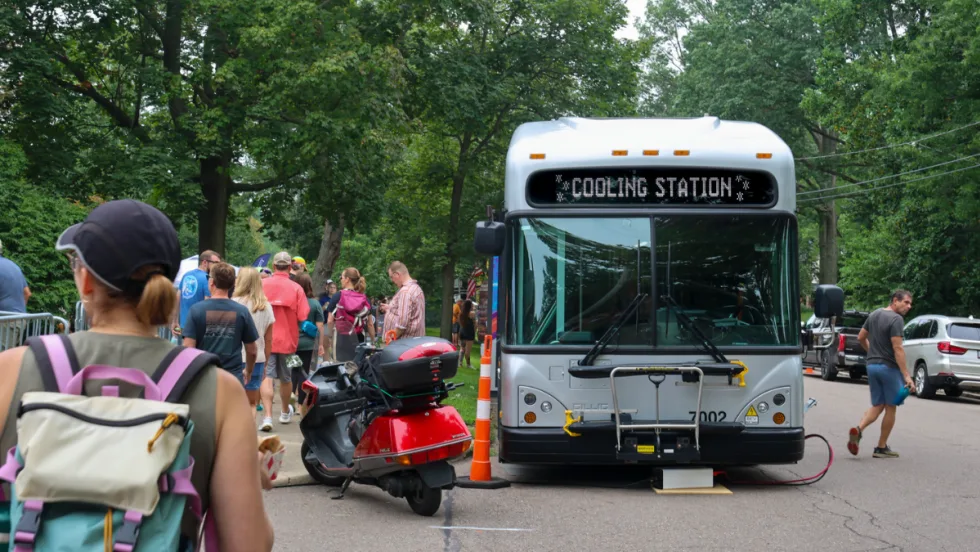
Ohio’s METRO RTA Turns Electric Buses into Mobile Power Sources at PorchROKR
See how three Gillig battery-electric buses powered festival stages while the agency’s new Park & Ride service carried approximately 1,000 attendees, demonstrating another potential use for transit agencies’ electric fleets.
Read More →
CALSTART and Forth Combine to Form Catalyst Mobility
The new name represents a renewed vision for the nonprofit focused on advancing clean, equitable, and affordable transportation solutions that move people and goods.
Read More →
Building a Flexible Path to Transit Electrification
John Hroncich discusses BAE Systems’ modular and scalable approach, lessons learned from decades of real-world operations, and how agencies can identify electrification strategies that fit their fleets.
Read More →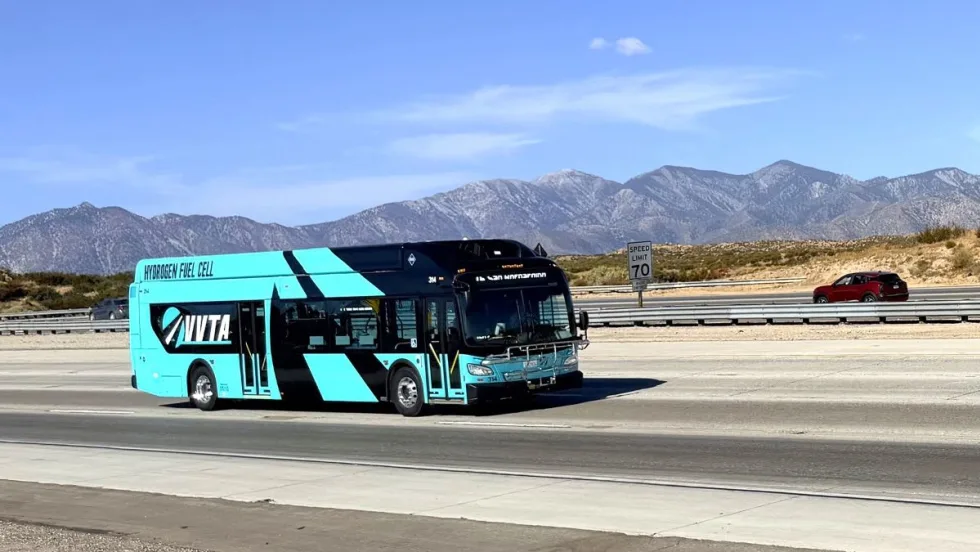
California's VVTA Begins Phased Rollout of Hydrogen Fuel Cell Buses
The agency is introducing 13 zero-emission buses into revenue service while evaluating performance across its urban, rural, and long-distance routes.
Read More →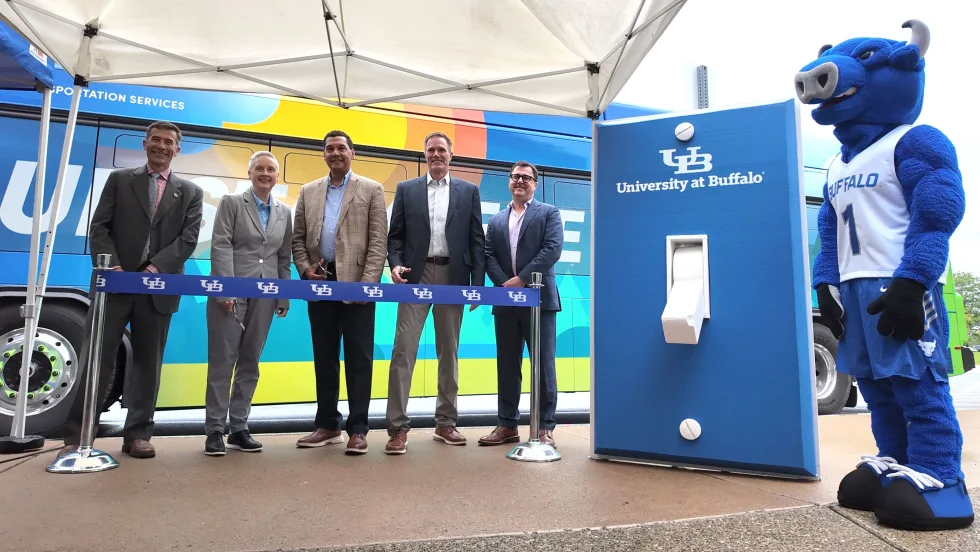
Inside Look: University at Buffalo Puts First 8 Electric Buses Into Stampede Service
UB, transportation solutions provider WeDriveU, and fleet electrification specialist Zenobē marked the deployment in the presence of students, university administrators, and local officials.
Read More →
Biz Briefs: OCTA Taps Clean Energy for Hydrogen Station, Stadler to Supply Via Rail Vehicles, and More
From manufacturers and suppliers to transit agencies and motorcoach operators, these updates offer a snapshot of the projects, partnerships and business moves driving the industry forward.
Read More →
AC Transit’s Cecil Blandon on Building the Next Generation of Transit Maintenance Leaders
The agency’s maintenance chief discusses leadership, workforce development, zero-emission technology, and preparing technicians for the future of public transportation.
Read More →
CTDOT Taps STV for Electric Bus Facility Design
The firm will work with CTDOT and RVT to define the facility layout, operational requirements, and long-term flexibility for RVT’s growing electric fleet.
Read More →
Chicago’s Pace Deploys 24 Hybrid-Electric Buses in Will County
The new buses reduce emissions and fuel consumption while advancing the agency's long-term goal of transitioning to a fully zero-emission fleet.
Read More →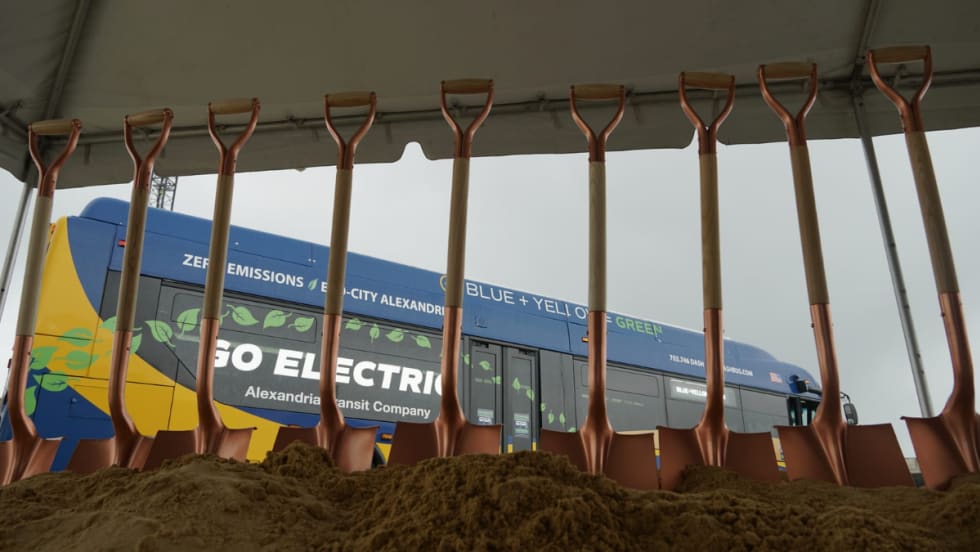
DASH Breaks Ground on First On-Route Electric Bus Chargers in D.C. Region
The fast-charging infrastructure will help extend electric bus range, improve fleet utilization, and support DASH's goal of transitioning to a fully zero-emission fleet.
Read More →