



Proposed N. Carolina commuter rail service would cost $1B
If a Goldsboro to Greensboro commuter plan were implemented on the NCRR corridor, trains would make 29 stops in seven counties with a total population of more than 2 million, with 18 colleges and universities within two miles of the rail lines.

The North Carolina Railroad Co. (NCRR) released an 11-month study today that concludes that rush-hour commuter trains can operate on NCRR tracks along with freight trains from Greensboro to Goldsboro.
As part of its Vision 2030 planning, NCRR commissioned engineering firm HNTB to determine if commuter and freight trains could coexist on NCRR tracks, and the infrastructure costs that doing so would incur. HNTB studied possible commuter trains operating in four segments between Goldsboro and Greensboro, and Chapel Hill. Commuter trains typically run in the morning and afternoon rush hours and once mid-day over long distances.
Total infrastructure costs for new tracks, sidings and bridges along the 141-miles would be $650 million, and equipment and support facilities are estimated at $350 million. Commuter rail on the NCRR could be implemented in less expensive phases according to ridership demand.
"...some sections could open for commuter trains faster than others," Bill Kincheloe, chairman of the NCRR Board of Directors, emphasized. "However, if communities prefer light rail on dedicated track, this would not preclude that approach. Commuter rail offers an alternative approach that could be a good first step."
If a Goldsboro to Greensboro commuter plan were implemented on the NCRR corridor, trains would make 29 stops in seven counties with a total population of more than 2 million, with 18 colleges and universities within two miles of the rail lines.
Detailed studies on ridership and operating costs would have to be conducted. But knowing that freight and commuter trains can coexist was a key question that had to be answered before anyone could try to establish commuter trains, Kincheloe said.
NCRR owns the 317-mile rail line between Morehead City and Charlotte. Existing freight service, operated by Norfolk Southern, already touches 24 percent of the state’s economy and is projected to increase. NCRR President Scott Saylor said that based on the HNTB study, he is optimistic that commuter and freight service could also coexist on the Greensboro to Charlotte sections of the rail line, but that further studies would be needed.
"North Carolina could become a national leader in commuter rail," Saylor said. "This design for commuter trains could be implemented without buying new right-of-way. That’s a significant cost advantage."
Regional organizations and local governments throughout much of the state are interested in establishing rail services.
"The NCRR line touches many of those local efforts, but it will need to be a team effort," said Saylor. "Connecting municipal bus systems also would be required for commuter rail to succeed."
In recent years, NCRR, Norfolk Southern and the NC Department of Transportation have invested nearly $60 million straightening curves, adding tracks, and making other improvements between Goldsboro and Greensboro. Along the entire NCRR corridor they will make $161 million in improvements by 2012, but more tracks would be needed.
"The 21st Century Transportation Committee’s recommendations may include ways for local governments to pay for capital investments for commuter rail if they so choose," Saylor said.
More Rail
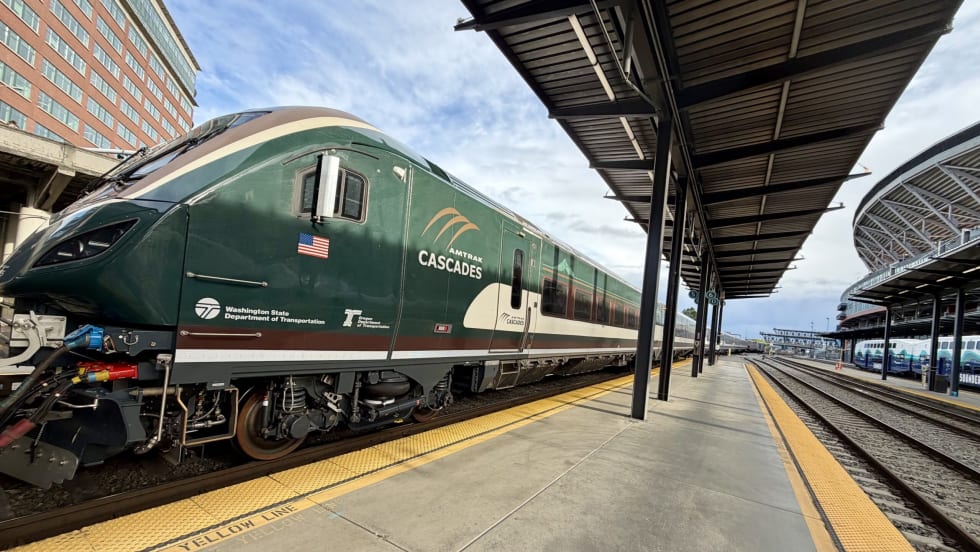
FRA Announces $5.3B in Rail Investments, Including $2B for Amtrak
Funding will support grade-crossing improvements, infrastructure upgrades, and new Amtrak equipment in 23 states.
Read More →
Finding the ‘Happy Medium’: Optimizing Maintenance Without Sacrificing Reliability
The key to maintenance optimization isn’t doing less work—it’s doing the right work at the right time on the right assets.
Read More →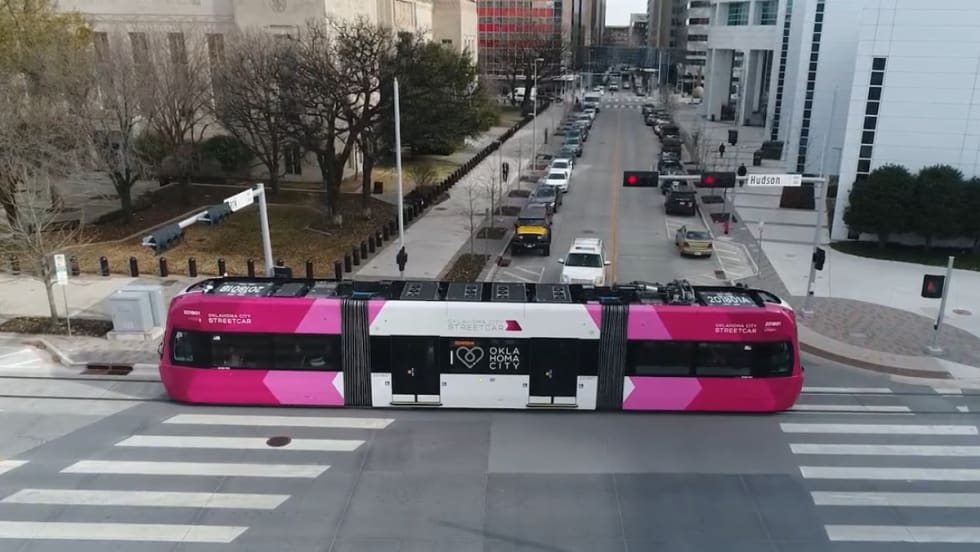
OKC Streetcar Makes Zero-Fare Service Permanent
Ridership increased an average of 71% compared with the same period a year earlier during the fare-free pilot.
Read More →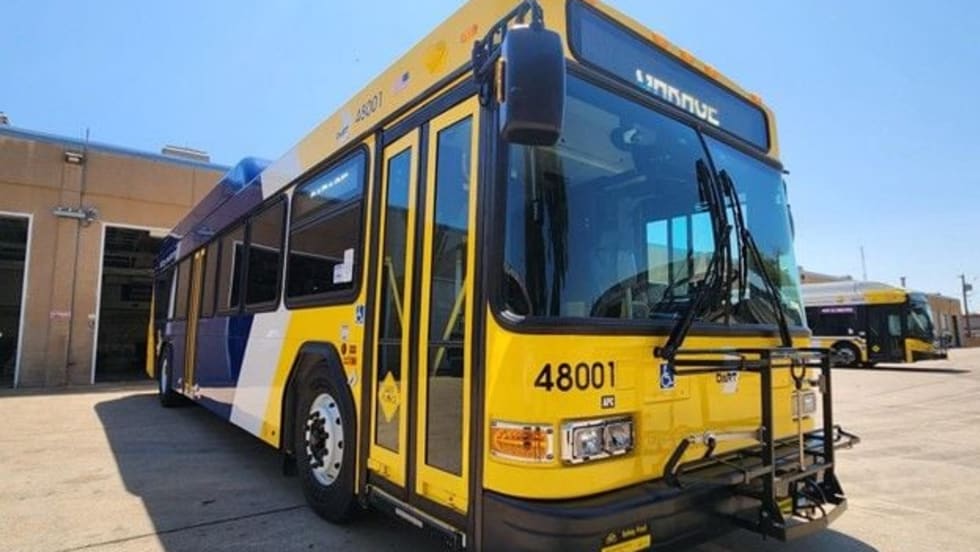
DART Customer Satisfaction Reaches Six-Year High
Overall satisfaction rose to 74.9%, while the agency’s Net Promoter Score reached a record 33.7.
Read More →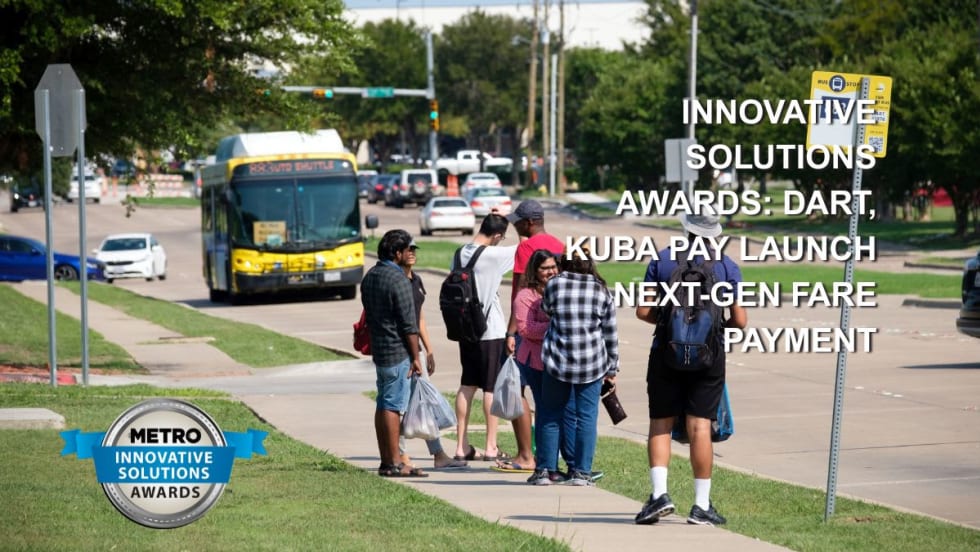
How DART's GoPass Is Redefining Regional Mobility
Serving 14 transit agencies, GoPass simplifies multimodal travel by allowing riders to plan, pay for, and manage an entire trip through one app.
Read More →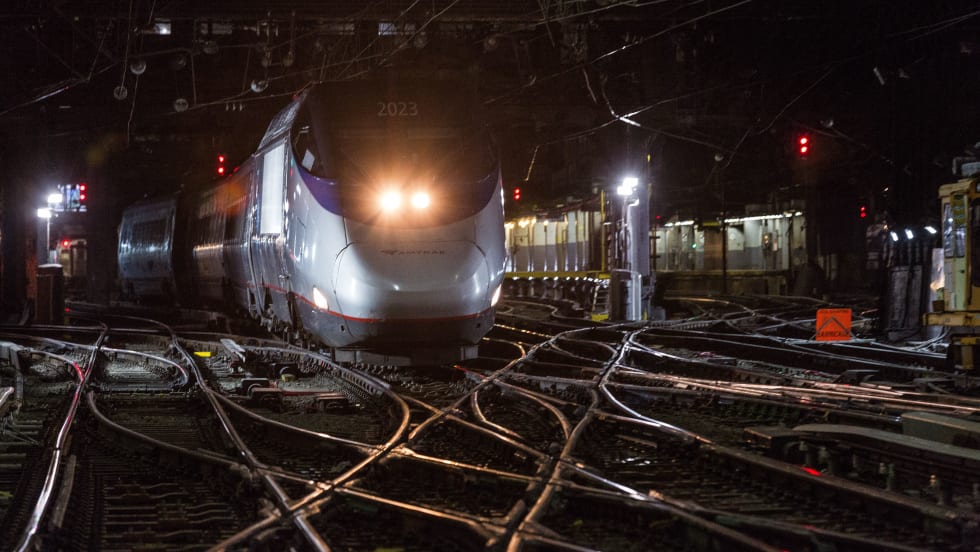
Amtrak Board Advances Plan to Restructure Organization, Seeks Public Input
The proposal, developed by Amtrak management and approved by the board for further consideration, is intended to modernize the organization's structure while improving accountability, operational efficiency, and customer service.
Read More →
Biz Briefs: STV teams with Amtrak, Motorcoach Operators Boost Fleet and Land Contracts, and More
From manufacturers and suppliers to transit agencies and motorcoach operators, these updates offer a snapshot of the projects, partnerships and business moves driving the industry forward.
Read More →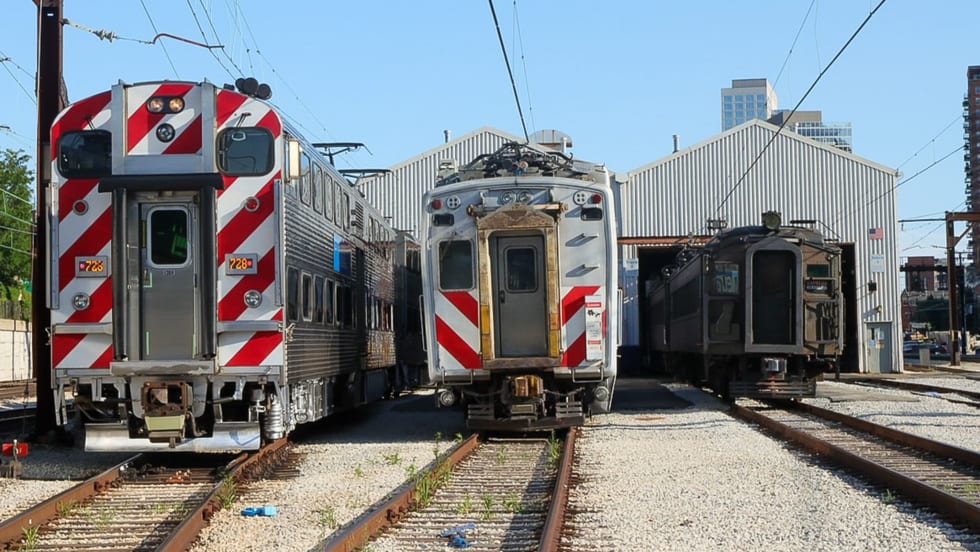
Metra Celebrates 100 Years of Electric Rail, Looks to the Future
The event was also a celebration of recent reforms to public transportation in the Chicago area, changes that could be as transformative in the future as the major civic achievement a century ago, said officials.
Read More →
LA Metro Marks Banner Year, Sets Ambitious Goals for New Fiscal Year
Incoming LA Metro Board Chair and Los Angeles Mayor Karen Bass joined outgoing Board Chair Fernando Dutra and LA Metro CEO Stephanie Wiggins to review accomplishments from fiscal year 2026, which included the opening of new rail extensions, advancement of major transit projects, expanded safety programs, and new rider amenities.
Read More →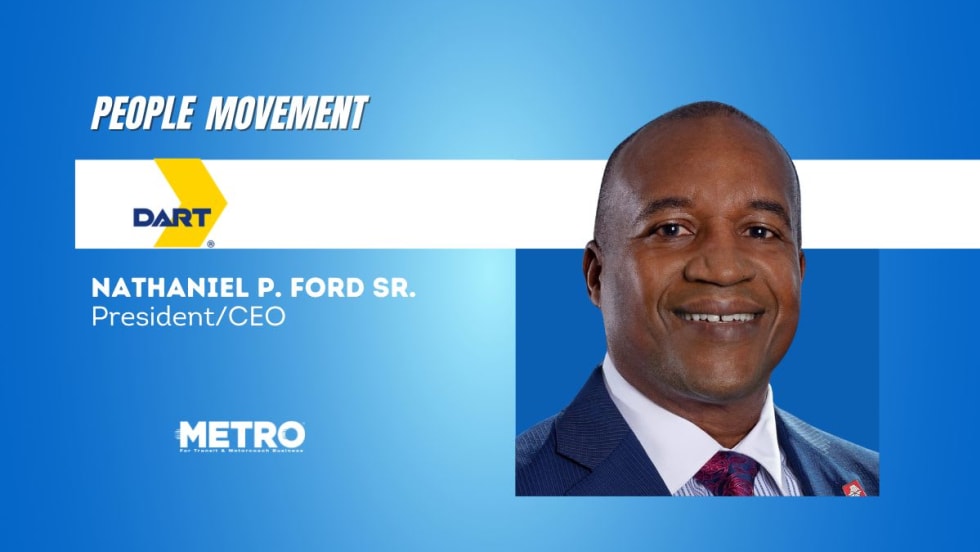
DART Taps Nathaniel P. Ford Sr. as Next President/CEO
Since 2012, Ford has served as the CEO of the Jacksonville Transportation Authority
Read More →