



Proterra to supply 5 transit systems with electric buses
StarMetro (Fla.); Regional Transportation Commission (Nev.); Foothill Transit (Calif.); King County Metro Transit (Wash.) and Fresno Area Express (Calif.), received more than $25M in grants from the FTA to purchase 20 fast-charge battery-electric transit buses and 4 EV charging stations.

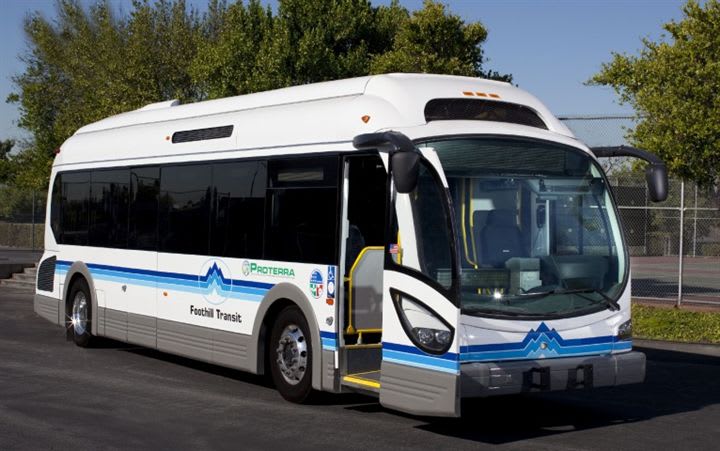
Proterra will manufacture the new orders at its current assembly line plant in Greenville, S.C., and plans to break ground on a new and larger plant at the Clemson University International Center for Automotive Research during the next several months.
[IMAGE]Proterra-ecoliner-full-2.jpg[/IMAGE] Proterra Inc., a leading maker of zero-emission commercial transit solutions, today announced that five major urban transit agencies received more than $25 million in grants from the Federal Transit Administration (FTA) to purchase 20 fast-charge battery-electric transit buses and 4 EV charging stations.
The only vehicles that can meet the specifications in the grants are Proterra's EcoRide BE35™ buses and FastFill™ Charging Stations. The announcement marks a major commercial milestone for Proterra, and greatly accelerates the company's goal of replacing the current diesel transit infrastructure with a zero-tailpipe emission bus and charging station solution, according to company officials.
The transit agencies are StarMetro in Tallahassee, Fla.; Regional Transportation Commission in Reno, Nev.; Foothill Transit in Pomona, Calif.; King County Metro Transit in Seattle and Fresno Area Express in Fresno, Calif. All were officially notified that they will receive federal stimulus grants from the FTA's Transit Investments for Greenhouse Gas and Energy Reduction (TIGGER) Program under the American Recovery and Reinvestment Act (ARRA).
Managed by the FTA's Office of Research, Demonstration and Innovation in coordination with the Office of Program Management and Regional Offices, the TIGGER Program works directly with public transit agencies to implement new strategies for reducing greenhouse gas emissions or reduce energy usage from their operations. These strategies can be implemented through operational or technological enhancements or innovations. To align the TIGGER Program with other strategic initiatives, FTA encourages projects that will demonstrate innovative electric drive and related technology approaches to achieving these goals.
"Leading transit agencies across the U.S. are turning to Proterra as a trusted expert in all-electric public transportation solutions to reduce operating costs with the added benefits of emissions free, low noise operation and greenhouse gas emission reduction," said Jeff Granato, Proterra President and CEO. "It's encouraging to see the immediate application of federal grants such as TIGGER to help spur more support from federal programs and further foster the innovation of supporting cost effective, clean and green technologies."
"Tallahassee StarMetro is looking forward to putting our TIGGER funds to work for our community as part of our Go Green Initiatives," said Ralph Wilder, Superintendent Transit Maintenance for StarMetro, City of Tallahassee. "The potential of saving 260 tons of carbon dioxide equivalents each year by replacing diesel buses with Proterra's EcoRide BE35™ buses is just too impressive for us not to explore more clean commuting options for our riders."
In September, Proterra worked with Foothill Transit to successfully rollout three of Proterra's EcoRide BE35™ transit buses. After only two months, those buses have accumulated several thousand miles of data indicating that the EcoRide will meet or exceed its claims of achieving a 500% improvement in miles per gallon (diesel equivalent) performance over conventional diesel buses.
In addition to its unmatched energy efficiency and overall cost savings, Proterra's clean transit solutions offers California transit agencies solutions to address the Zero Emission Bus (Zbus) rule, which requires large California agencies to purchase 15 percent of their annual bus orders as zero emission buses starting in 2012, according to a company statement.
Proterra will manufacture the new orders at its current assembly line plant in Greenville, S.C., and plans to break ground on a new and larger plant at the Clemson University International Center for Automotive Research during the next several months.
More Bus
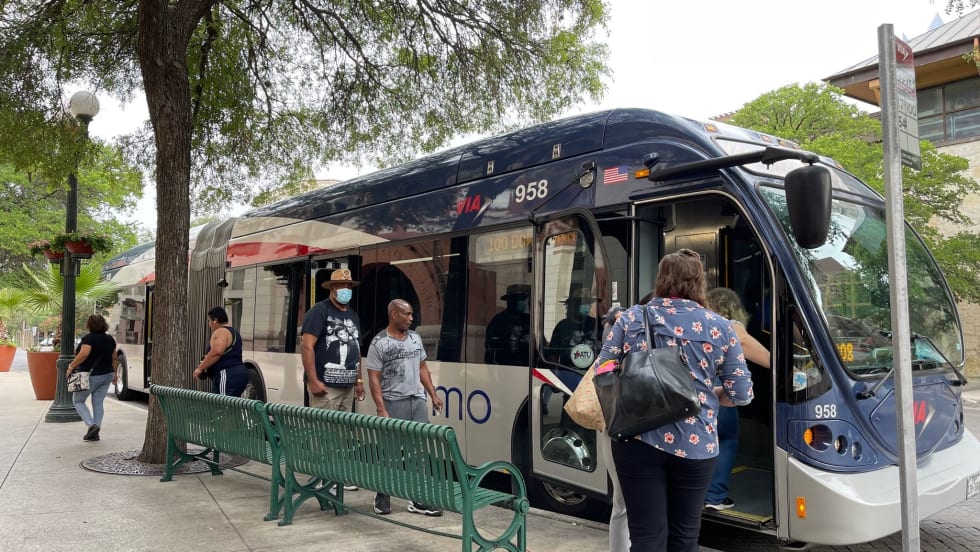
VIA Bus Ridership Grows 10.1% Through August 2026
San Antonio's VIA Metropolitan Transit reported the highest bus ridership growth among major Texas transit systems. Federal Transit Administration data ranked it second among the nation's 50 largest transit systems.
Read More →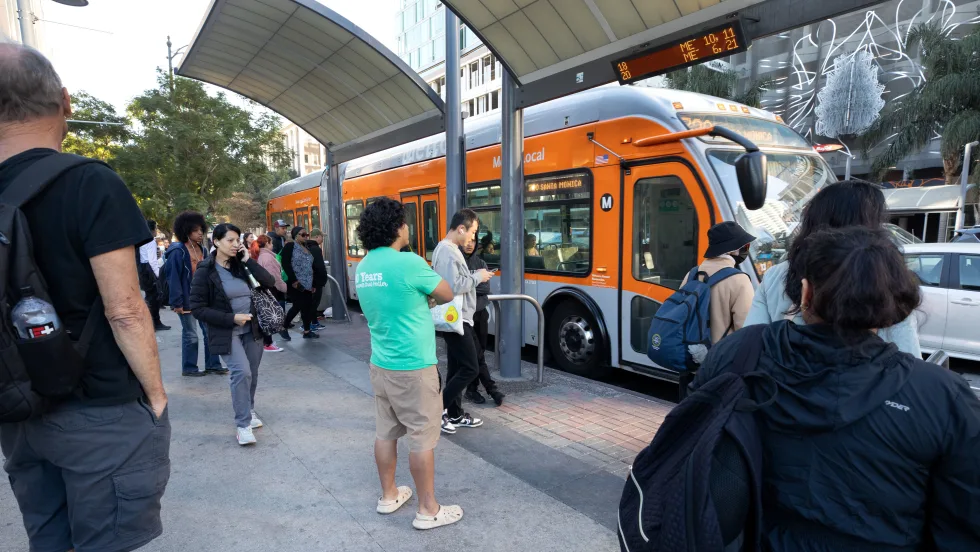
LA Metro September Ridership Climbs 3.9%, Led by Rail Growth
The agency recorded more than 27.2 million boardings, with rail ridership increasing 12.4% year over year and the D Line posting the largest gains.
Read More →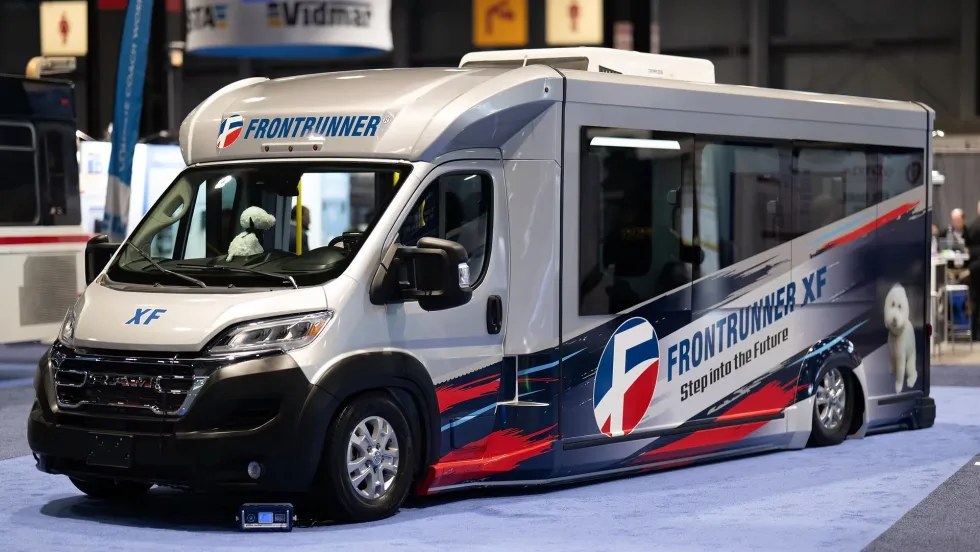
Frontrunner Bus Group Introduces XF Low-Floor Bus with Enhanced Accessibility
The new mid-sized bus features a full flat-floor design, eight-inch curbside step-in height, and zero-entry rear ramp to improve passenger access and operational flexibility.
Read More →
Scenes from APTA TRANSform & EXPO 2026
Transit leaders, manufacturers, and industry professionals gathered in Chicago to explore new technologies, share ideas, and discuss the future of public transportation.
Read More →
More Than a Summer Job: Building the Next Generation of Transit Talent
The Delaware River Port Authority and PATCO have transformed their internship program into a hands-on professional development experience that introduces students to the breadth of transportation careers — and creates a pipeline for future employees.
Read More →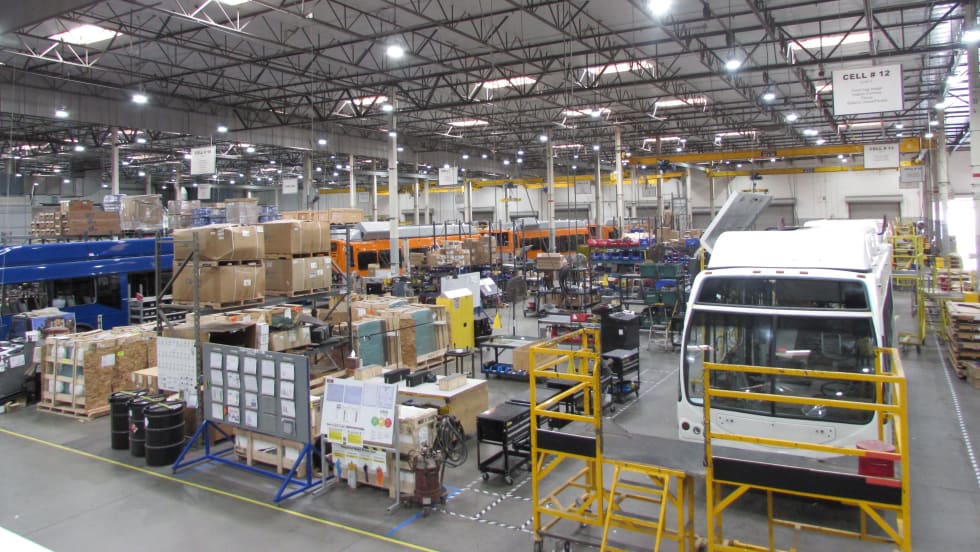
LA Metro Board Awards 220 Battery-Electric Bus Contract to ENC
The contract, which is the largest base award of battery-electric buses by a U.S. transit agency, will be built in Southern California, sustaining good jobs as LA prepares to welcome the world in 2028
Read More →
Public Transit Conference Returning to GFX in 2027, Call for Papers Now Open
The Call for Papers is now open, allowing transit agency professionals and industry experts to help shape the PTC educational program by submitting session ideas for consideration.
Read More →
Indian River Transit’s Community-Focused Approach Earns National Recognition
Named APTA’s 2026 Outstanding Public Transportation System in its size category, Florida’s Indian River County transit system continues to grow ridership through fare-free service and a focus on evolving community needs.
Read More →
ENC Lands MATA Contract and More in Biz Briefs
In this edition of Biz Briefs, we spotlight the latest developments shaping the future of mobility.
Read More →
From Surviving to Thriving: Building Stronger Transportation Organizations
Bus Business Consultants founder Brian Dickson shares lessons on leadership, organizational health, and creating options for long-term success in a changing transportation industry.
Read More →