



Railroads warn of widespread shutdowns unless PTC deadline extended
The freight rail industry needs until the end of 2018 to install the necessary hardware and until the end of 2020 to have it fully tested and operational, said Ed Hamberger, president and CEO for the Association of American Railroads.


NTSB officials at the site of the Amtrak train #188, which derailed outside of Philadelphia in May 2015. Photo: NTSB/Cassandra_Johnson
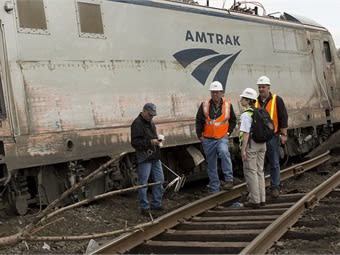
NTSB officials at the site of the Amtrak train #188, which derailed outside of Philadelphia in May 2015. Photo: NTSB/Cassandra_Johnson
WASHINGTON, D.C. — Major rail companies on Monday intensified their demands that Congress give them more time to roll out positive train control technology — or warned that they could face major service shutdowns around the country, the Pittsburgh Post-Gazette reported.
The freight rail industry needs until the end of 2018 to install the necessary hardware and until the end of 2020 to have it fully tested and operational, said Ed Hamberger, president and CEO for the Association of American Railroads, the report said.
“There will be a transportation crisis in this country,” said Michael Melaniphy, president and CEO of the American Public Transportation Association.
According to Melaniphy, an orderly shutdown of a major rail network takes about eight weeks. Without an extension by the end of October, many freight and commuter rail companies will likely begin discussing service shutdowns, the Post-Gazette reported. For the full story, click here.
More Security and Safety

Improving Transit Safety and Reliability Through AI
Hayden AI’s Chief Growth Officer, Charley Territo, discusses how AI-powered camera enforcement is helping transit agencies keep bus lanes and stops clear, improve accessibility, and move from pilot programs to full-scale deployments.
Read More →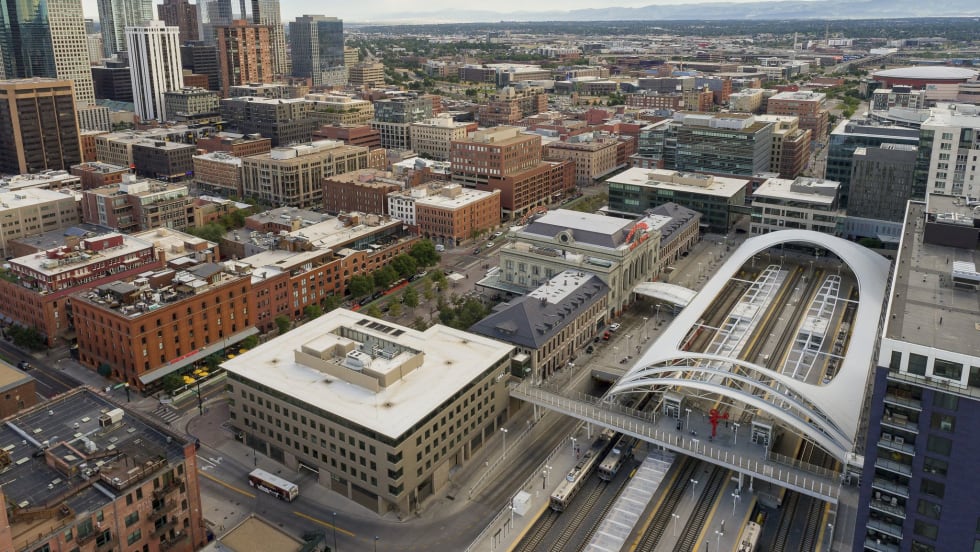
Study: Denver RTD Generates $2.1 Billion in Annual Economic Activity
An economic impact study finds the agency supports approximately 17,500 jobs, delivers $1.6 billion in annual community and mobility benefits, and generates $2.42 in economic value for every dollar invested.
Read More →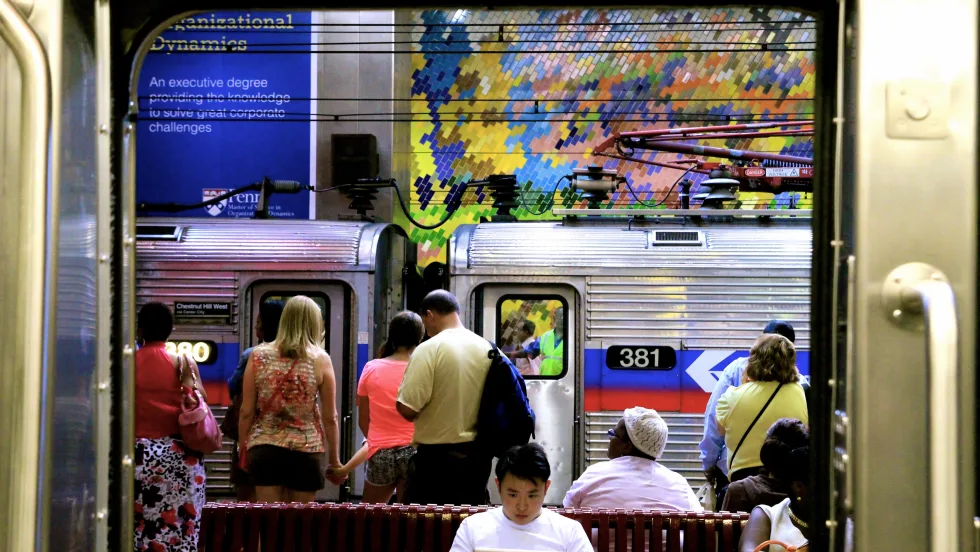
SEPTA Launches 'Reach' Program to Connect Vulnerable Individuals with Support
The initiative deploys specialists throughout Philadelphia’s transit system to connect individuals with housing, healthcare, and social services while addressing safety and quality-of-life concerns.
Read More →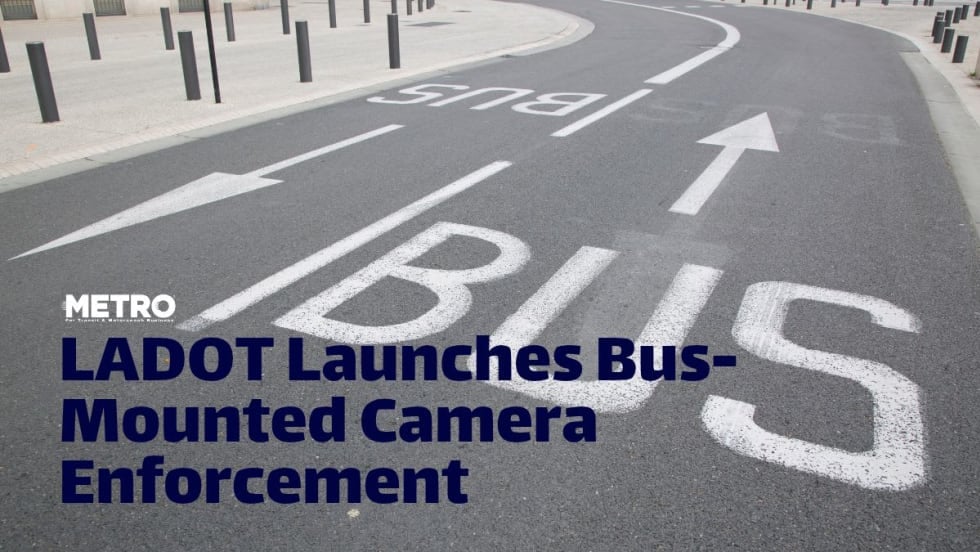
LADOT to Launch Bus-Mounted Camera Enforcement on DASH Buses
The program will begin with a 60-day warning period before citations are issued in January 2027, joining similar efforts across Southern California to improve bus reliability, safety, and accessibility.
Read More →
New York MTA Launches Historic $1.9B Signal, Track Modernization Project
Funded in part by congestion pricing revenue, the project will replace nearly century-old signals along the A and C lines in Brooklyn and Queens.
Read More →
CSA Group Releases Climate Resilience Standard for Transit, Passenger Rail
Developed with support from the Standards Council of Canada, CSA D700 guides assessing climate-related risks and planning adaptation measures for transit and passenger rail systems.
Read More →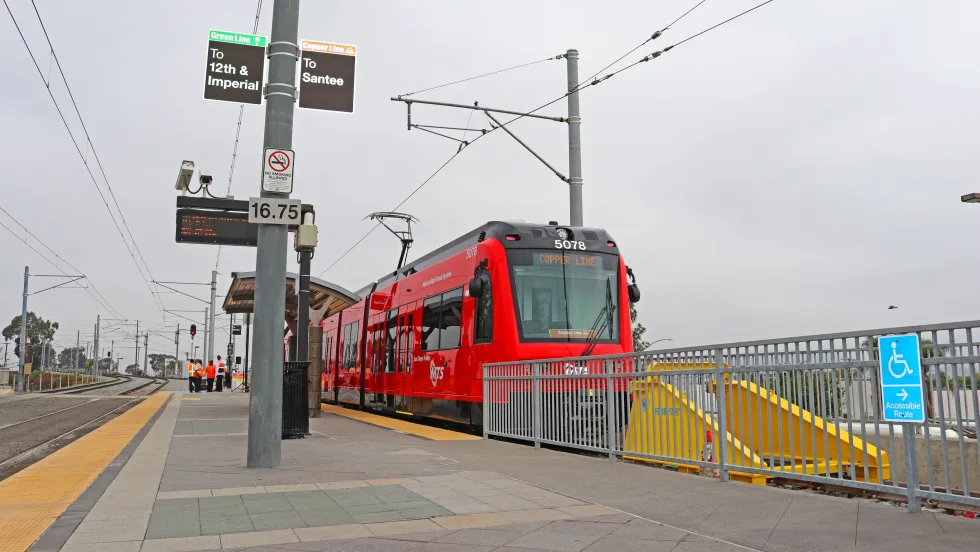
San Diego MTS Approves New Fare Evasion Penalty Program
The new administrative process will move eligible violations out of the criminal court system, cap penalties at $125, and provide flexible payment options for riders.
Read More →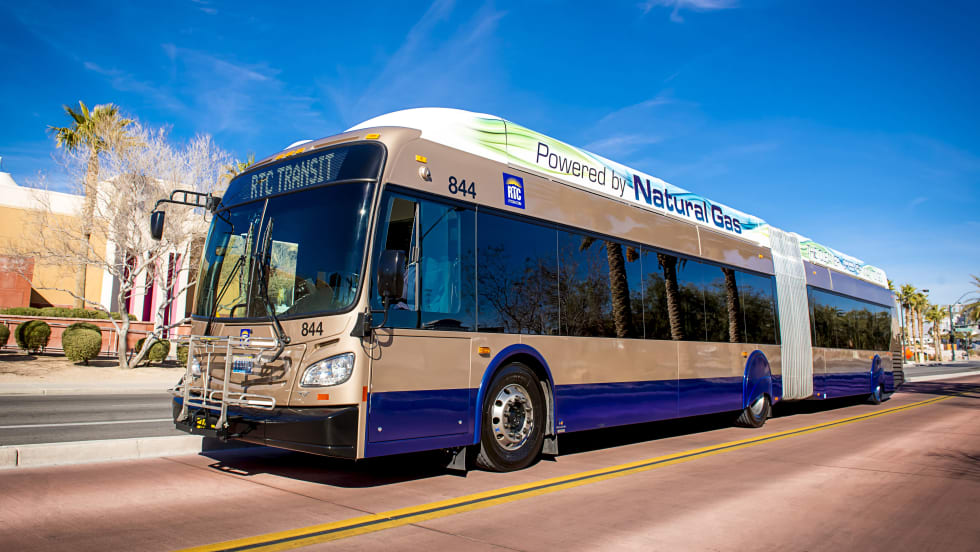
RTC of Southern Nevada Reports 29% Drop in Transit Operator Assaults
The agency credits expanded security measures, employee training, and technology investments for improvements in transit safety, while security officers have responded to 19 suspected overdoses since July.
Read More →
Public Transit Conference Returning to GFX in 2027, Call for Papers Now Open
The Call for Papers is now open, allowing transit agency professionals and industry experts to help shape the PTC educational program by submitting session ideas for consideration.
Read More →
Safe Transit Act Proposes New Security Requirements for Federal Transit Funding
Proposed legislation would link federal transit dollars to safety measures while requiring security investments, onboard cameras, and new fare collection standards.
Read More →