



Report: 700K U.S. households have no car, no access to transit
Transit systems in Atlanta, Dallas, Houston do poorest job of reaching no-car households.


Transit systems in Atlanta (pictured), Dallas, Houston do poorest job of reaching no-car households. Photo credit: Chuck Koehler via Wikimedia Commons.
[IMAGE]Atlanta-Skyline-from-Buckhead--2.jpg[/IMAGE]With the economy stalled and the jobless rate hovering around 9 percent, 700,000 American households face a daily challenge getting to work or to stores because they have no car and cannot reach their local transit system, according to a report from the Brookings Institution Metropolitan Policy Program.
The report, Transit Access and Zero-Vehicle Households, identifies, for the first time, this severely disadvantaged group and calls on policymakers to improve the transportation choices available to those who most need them.
“If you’re going to keep afloat during the recession, you have to be able to get to work,” said Adie Tomer, Senior Research Analyst and author of the report. “We knew there were pockets of households who are economically hampered by the fact that they own no car and have no access to transit, but we didn’t fully understand the true scope of the problem until now.
“Seven hundred thousand households is larger than the population of Columbus, Ohio or San Antonio, Texas,” Tomer said. “These people are terribly constrained in earning a living, getting to the store, or taking their kids to daycare. If this many people were facing a public health scare, this country would be in crisis mode. We need to approach this problem with similar urgency.”
Transit Access and Zero Vehicle Households is the first in a series of three studies following the release in May of Brookings’ Missed Opportunity report which found that transit services fall far short in connecting workers to jobs. This newest report examines how effectively transit moves workers in households without cars around their metro areas and to places of employment. The next two studies will focus on access to transit from public housing and how transit serves employers’ needs.
The report ranks the 100 largest U.S. metro areas for the number of households with no cars and no access to transit. Atlanta, Dallas and Houston top the list with the lowest coverage rates and do the poorest job serving this population. Together, these metro areas leave more than 100,000 no-vehicle households with few transportation options.
Largest Metro Areas with Lowest Coverage Rates for No-Car Households
Metropolitan Area Coverage Rate No Car/No Transit
Atlanta-Sandy Springs-Marietta, Ga. 68.5% 37,634
Dallas-Fort Worth-Arlington, Texas 71.2% 33,326
Houston-Sugar Land-Baytown, Texas 73.4% 32,630
Phoenix-Mesa-Scottsdale, Ariz. 80.9% 17,686
St. Louis, Mo.-Ill. 82.2% 14,528
All 100 of the largest metro areas house some number of these economically disadvantaged households, but those metros with the highest coverage rates and so whose transit systems do the best job reaching residents with no cars are Los Angeles, New York and San Francisco.
Largest Metro Areas with Highest Coverage Rates for No-Car Households
Metropolitan Area Coverage Rate No Car/With Transit
Los Angeles-Long Beach-Santa Ana, Calif. 99.1% 355,457
New York-Northern New Jersey-Long Island, 98.7% 2,065,904
NY-NJ-Pa.
San Francisco-Oakland-Fremont, Calif. 98.1% 192,238
Seattle-Tacoma-Bellevue, Wash. 97.3% 93,179
Miami-Fort Lauderdale-Pompano Beach, Fla. 97.2% 172,028
Other Key Findings:
• A total of 7.5 million households do not have access to a car but can travel by transit. Most of these households, 61 percent, live in cities and most — 60 percent — are low-income. New York, Chicago, and Los Angeles have the highest number of households which do not own cars.
• While 90 percent of these households can travel around their metro areas by transit, on average they can reach only 40 percent of jobs via transit within 90 minutes.
• Households without cars in cities have much higher access to transit; 99 percent live near transit. Only 58 percent of households without cars in the suburbs live near transit.
The report highlights the need for:
1) transit agencies to continue to address coverage gaps and route changes to reflect job and housing growth in the suburbs;
2) land-use planners to concentrate development in denser locations; and
3) local policymakers, particularly in areas such as Dallas and Atlanta, to recognize the depth of their transit problems and take significant steps to meet their residents’ transit needs.
“We need to make sure there are more transportation options for all households but especially for those low-income groups who are more economically constrained, cannot afford cars, and have no way to access transit,” added Tomer. “If this country is to put Americans back to work and become more productive and more competitive in the global economy, the transit system has to do a better job of carrying us to our places of employment.”
The Metropolitan Policy Program has also created an online interactive mapping tool using Bing maps technology to analyze other transit data for all 100 metropolitan areas. Please visit http://www.brookings.edu/papers/2011/0818_transportation_tomer.aspx to access the tool.
More Paratransit

Driving Smarter Paratransit
John Hanlon shares how AlphaRoute is leveraging AI-powered technology to help paratransit providers optimize operations, support frontline staff, and enhance the rider experience.
Read More →
People Movement: Dan Dipert Coaches Adds Third-Generation Leader, Keolis Names New Valley Metro VP/GM, and More
In this edition, we also cover recent appointments and announcements at the Wabtec, SilverRide, HNTB, and more, showcasing the individuals helping to shape the future of transportation.
Read More →
Biz Briefs: RIPTA Unveils New Frontrunners, Clevland RTA Adds New Siemens, and More
In METRO's latest installment, we take a look at recent news from Siemens, Prevost, Dodge, and more partnerships making headlines across the transportation sector.
Read More →
King County Metro Makes ADA Paratransit Easier to Navigate
METRO's Innovative Solutions Award winner replaces complex service-area descriptions with an accessible, interactive map that puts paratransit information directly in customers’ hands.
Read More →
Jacksonville’s NAVI Project Charts a New Course for Autonomous Public Transportation
Through its NAVI program, JTA is showing how autonomous vehicles, intelligent infrastructure, and coordinated operations can work together to deliver everyday public transportation.
Read More →
Driving Smarter Paratransit
John Hanlon shares how AlphaRoute is leveraging AI-powered technology to help paratransit providers optimize operations, support frontline staff, and enhance the rider experience.
Read More →
METRO Magazine Announces 2026 Innovative Solutions Awards Winners
Projects Recognized for Advancing Mobility Through Technology, Accessibility, Workforce Innovation, and Operational Excellence
Read More →
Biz Briefs: STV teams with Amtrak, Motorcoach Operators Boost Fleet and Land Contracts, and More
From manufacturers and suppliers to transit agencies and motorcoach operators, these updates offer a snapshot of the projects, partnerships and business moves driving the industry forward.
Read More →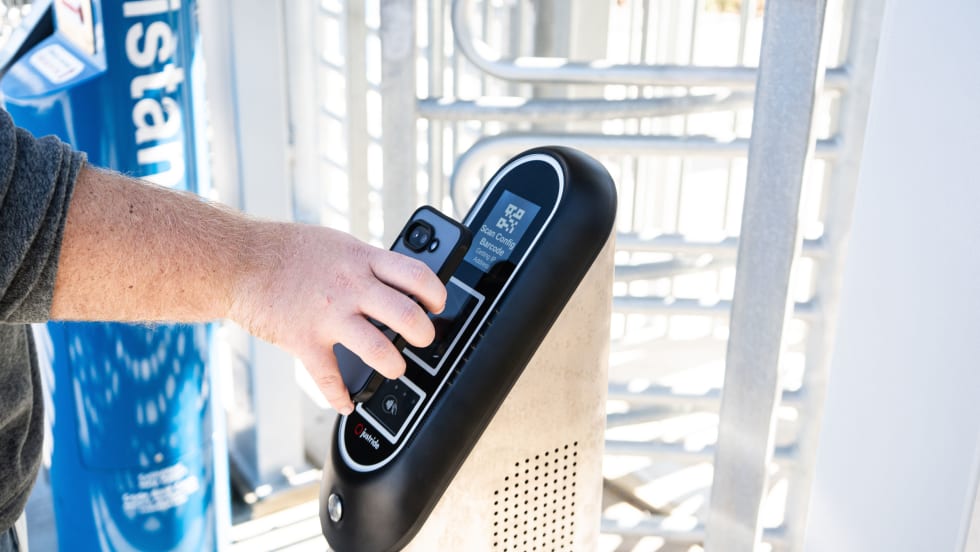
Biz Briefs: Masabi Teams with St. Louis Metro and More
In METRO's latest installment, we take a look at recent news from Transdev, Hitachi, and more partnerships making headlines across the transportation sector.
Read More →
New York MTA Leverages Zoning Program to Advance Station Accessibility
Accessibility enhancements at Nevins St Station will be financed through a development agreement tied to the MTA's Zoning for Accessibility initiative.
Read More →