



Report: Expanding public transit lowers GHG emissions
According to the EPA, emissions have had the fastest growth in the transportation sector, with 28 percent of the United States' total GHG emissions coming from transportation.

Expanded public transit strategies coordinated with combining travel activity, land use development and operational efficiencies can reduce greenhouse gases (GHG) by 24 percent, according to new, first of its kind study entitled "Moving Cooler." It estimates that the annual savings in vehicle costs to consumers exceed the cost of enacting these strategies by as much as $112 billion.
"Moving Cooler" is a comprehensive analysis sponsored by a diverse group of public and private entities, including Shell Oil, the Federal Highway Administration, the Urban Land Institute, American Public Transportation Association, Environmental Protection Agency (EPA), Natural Resource Defense Council, and many others. The research was conducted by Cambridge Systematics and analyzed strategies and their potential impact through 2050.
According to the EPA, emissions have had the fastest growth in the transportation sector, with 28 percent of the Unites States' total GHG emissions coming from transportation. The study shows that from 1996 to 2006, growth in U.S. transportation GHG emissions represented almost one-half (47 percent) of the increase in total U.S. GHG emissions. The research points out that the U.S. can't reach its emission reduction goals without successful strategies to reduce GHG emissions from transportation.
Some specific near term strategies to reduce GHG emissions include expanded public transit services, driving at lower speeds and other driving techniques, congestion pricing, and operational improvements, according to the study. Long-term strategies include changes in development patterns and land use, which aim to increase density and reduce vehicle travel. The authors of the study note that these long term strategies are just as essential as the short term strategies.
The study authors note that while advances in fuels and vehicle technology will be critical to reducing GHG emissions from transportation, the "Moving Cooler" analysis demonstrates that additional GHG emissions reductions can be achieved by bundling transportation strategies. These bundles can be designed to support transportation and economic objectives while also contributing to GHG reductions.
More Technology
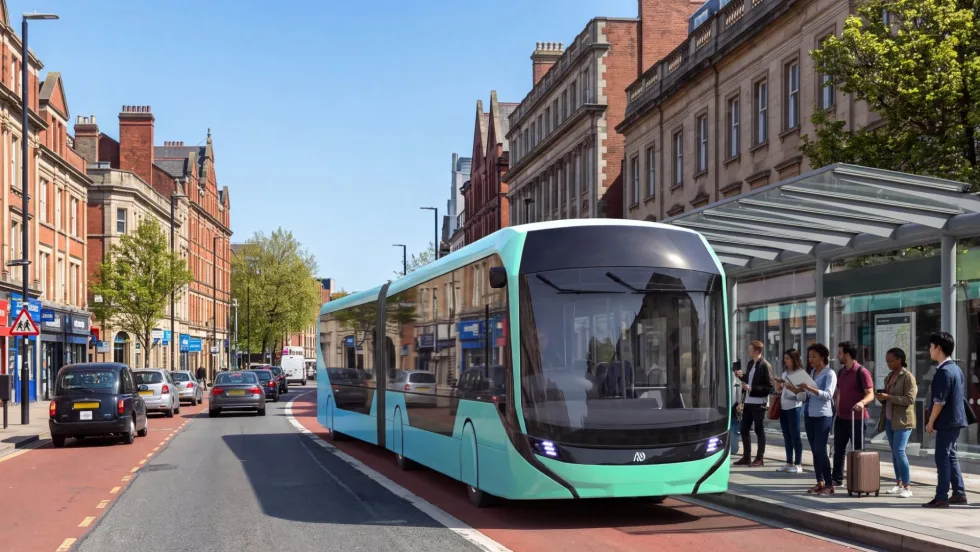
Biz Briefs: New Electric Offering from Alexander Dennis/Volvo, Transdev in Boston, and More
In METRO's latest installment, we also take a look at recent news from STV, WSP, Prevost, and more partnerships making headlines across the transportation sector.
Read More →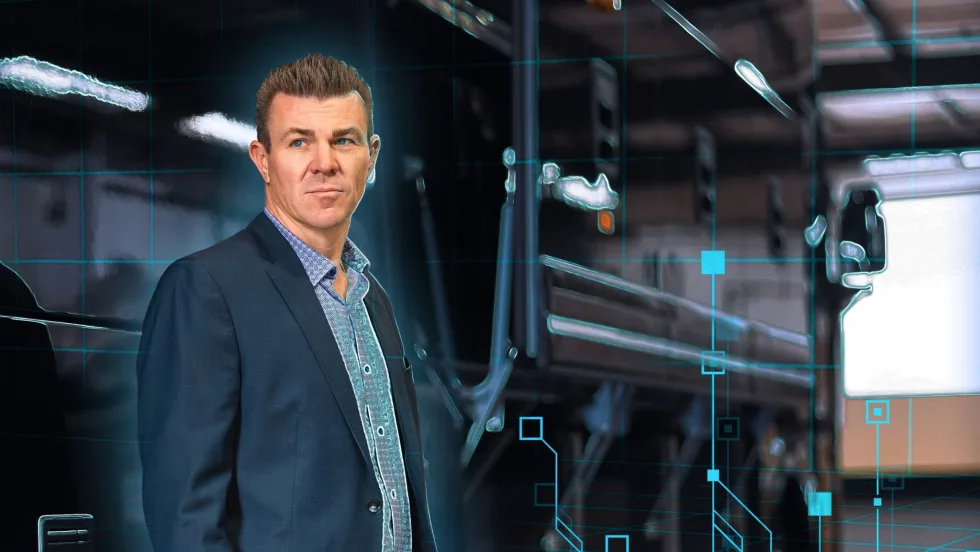
Roman Cornell on ABC Companies’ Evolution and the Future of Passenger Transportation
The company’s CEO discusses carrying forward a third-generation family legacy, ABC’s continued evolution in passenger transportation, support for increasingly complex fleets, and how technology and continued investment could help operators improve uptime.
Read More →
ETA CEO John Maglio on Transit Technology, Innovation, and Building Agency Trust
ETA founder and CEO John Maglio explores the evolution of transit technology, the importance of reliable systems, and how stronger partnerships can help agencies improve operations and the passenger experience.
Read More →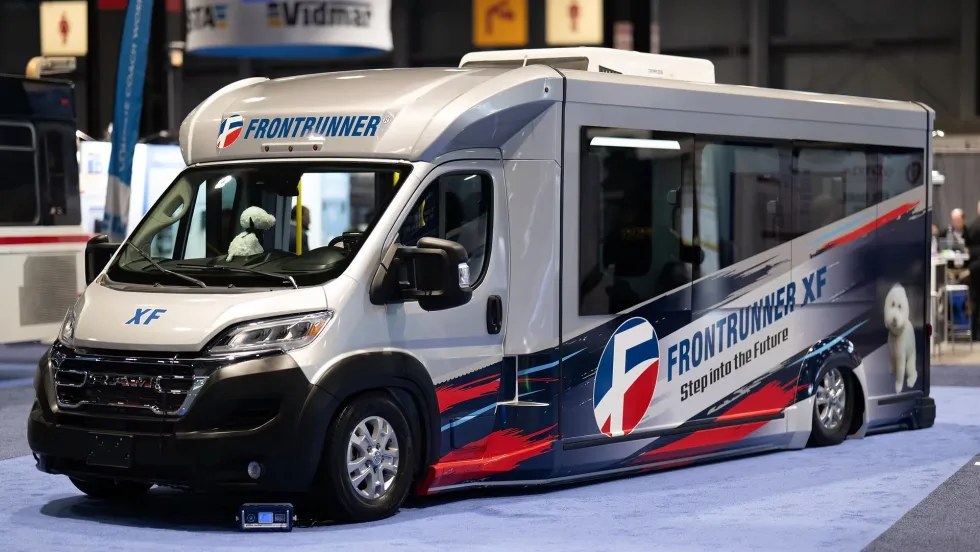
Frontrunner Bus Group Introduces XF Low-Floor Bus with Enhanced Accessibility
The new mid-sized bus features a full flat-floor design, eight-inch curbside step-in height, and zero-entry rear ramp to improve passenger access and operational flexibility.
Read More →
Building a Flexible Path to Transit Electrification with BAE's John Hroncich
John Hroncich discusses BAE Systems’ modular and scalable approach, lessons learned from decades of real-world operations, and how agencies can identify electrification strategies that fit their fleets.
Read More →
Scenes from APTA TRANSform & EXPO 2026
Transit leaders, manufacturers, and industry professionals gathered in Chicago to explore new technologies, share ideas, and discuss the future of public transportation.
Read More →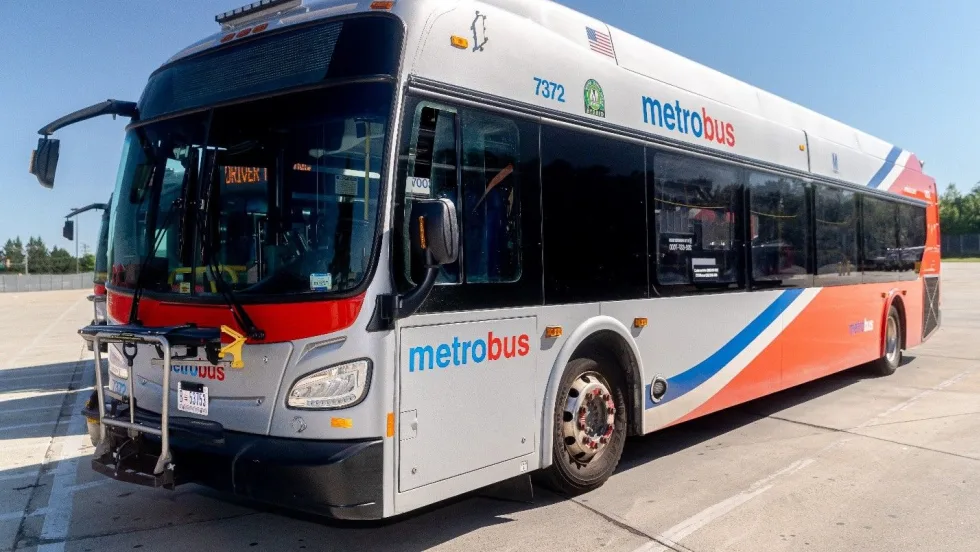
Biz Briefs: New Flyer Secures Additional 100-Bus Order from WMATA and More
In METRO's latest installment, we also take a look at recent news from Masabi, MCI, Samsara, and more partnerships making headlines across the transportation sector.
Read More →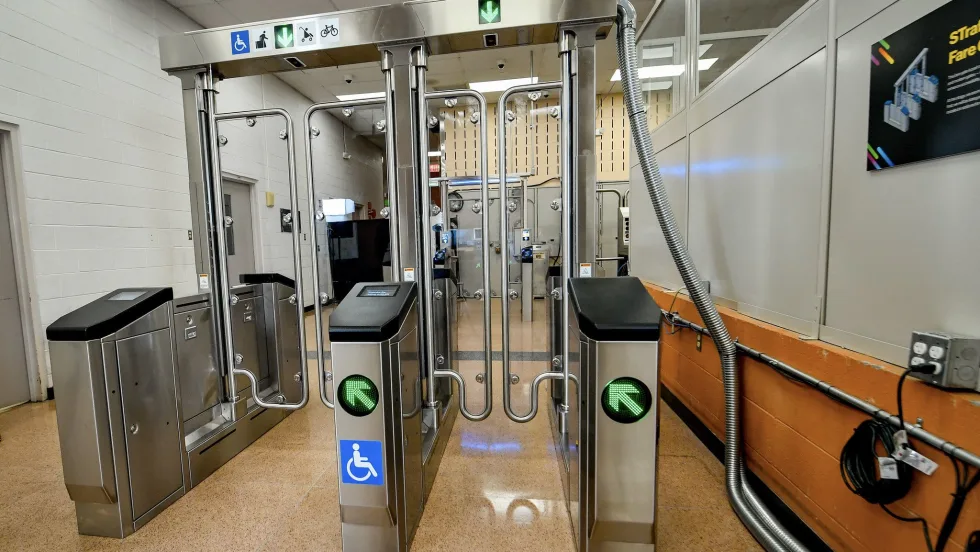
MTA Fare Gate Pilot Reduces Fare Evasion by 35%
Following a 20-station pilot, the agency plans to install new fare gates at 20 additional subway stations as part of a $1.1 billion modernization initiative.
Read More →
California Law Extends AC Transit’s Bus Lane Camera Enforcement
The new law allows AC Transit to continue using forward-facing bus cameras to enforce parking violations in bus-only lanes and at bus stops.
Read More →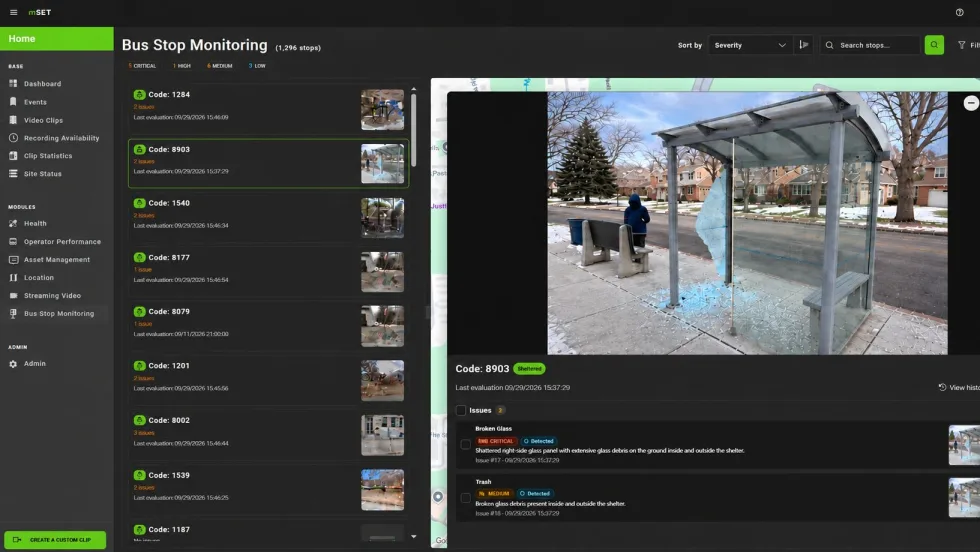
Biz Briefs: Luminator Launches AI Technology to Monitor Bus Stop Conditions and More
In METRO's latest installment, we also take a look at recent news from Masabi, Troman Industries, ioki, CCW, and more partnerships making headlines across the transportation sector.
Read More →