




RELATED: Video Looks at Charging Infrastructure Challenges for Motorcoach
Report Finds $1T Investment Needed for Full Electrification of Commercial Fleets
The Clean Freight Coalition, which consists of several transportation stakeholders across the motorcoach and trucking industries, says policymakers must address these cost concerns to ensure that an electrified supply chain functions smoothly for the American economy.
March 19, 2024
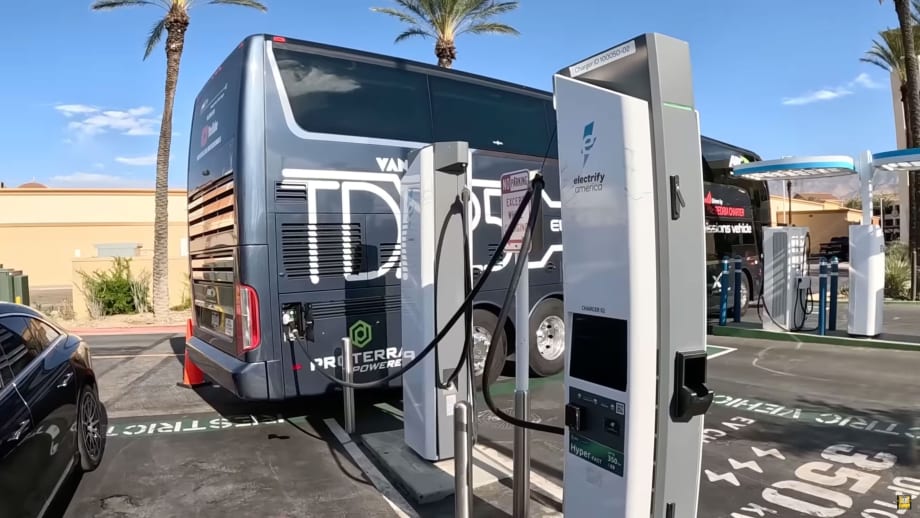
The study found that while medium-duty vehicles will face fewer roadblocks, economic and operational constraints make electrification challenging for the heavy-duty segment.
Photo: ABC Companies
3 min to read
Full electrification of the U.S. commercial fleet would require nearly $1 trillion in infrastructure investment alone, according to “Forecasting a Realistic Electricity Infrastructure Buildout for Medium- & Heavy-Duty Battery Electric Vehicles,” a new report from Roland Berger released by the Clean Freight Coalition.
The study forecasts a realistic infrastructure buildout for the electrification of medium- and heavy-duty commercial vehicles, exposing what the CFC calls a massive investment gap as state and federal policymakers mandate increased adoption rates of battery-electric commercial vehicles.
The CFC, which consists of several transportation stakeholders across the trucking and motorcoach industries, such as the American Bus Association (ABA), the American Trucking Association (ATA), and others, says policymakers must address these cost concerns and infrastructure hurdles to ensure that an electrified supply chain functions smoothly for the American economy.
Electrification Report Findings
According to the report, preparing the current commercial vehicle fleet for electrification would cost the trucking industry over $620 billion solely in utility and infrastructure expenses. This includes the installation of specialized chargers, electric service upgrades, and facility enhancements.
Additionally, utility companies would need to invest $370 billion to upgrade grid networks to meet the demands of just commercial vehicles.
It is important to note the estimated $1 trillion expenditure does not account for the cost of new battery-electric trucks, which market research suggests can be two to three times more expensive than their diesel-powered counterparts.
"Forcing the transportation sector to transition to electric vehicles, without considering the totality of what’s involved, makes no sense,” said Peter Pantuso, president and CEO of the ABA. “This study is a wakeup call and should change the conversation. The U.S. bus industry has a strong environmental record, taking cars off the road and reducing congestion. We’ll continue to support climate initiatives, but they need to be grounded in reality, and the reality is: charging infrastructure has a long way to go before EV transition can succeed."
The study found that while medium-duty vehicles will face fewer roadblocks, economic and operational constraints make electrification challenging for the heavy-duty segment.
Furthermore, the study outlined the significant improvements in battery range and charging infrastructure capabilities needed to support a path for the electrification of long-haul vehicles.
"This study thoroughly examines the issues surrounding infrastructure buildout necessary to electrify commercial vehicles, and clearly shows how the heavy-duty vehicle industry’s needs are vastly different not just from other sectors of our economy, but from each other,” said CFC Executive Director Jim Mullen. “I want to thank the team at Roland Berger for so clearly outlining the challenges electrifying our supply chain poses as the industry and nation continue working toward our shared goal of reducing trucking’s impact on the environment."
Creating Effective Regulations
The CFC has a history of working closely with federal regulators to develop effective regulations. They argue that the current regulation negatively affects the environment and road safety.
Many motor carriers are opting to prolong the use of their current vehicle fleets to avoid the high costs associated with acquiring new vehicles and uncertainties in meeting operational needs. However, these older trucks and motorcoaches are less environmentally friendly and pose safety risks compared to newer models.
The report by Roland Berger sheds light on the challenges of transitioning the industry to 100% Battery Electric Vehicles (BEVs), emphasizing the significant capital investments and upgrades needed for utility distribution and transmission.
Yet, the potential impact on the nation's supply chain integrity cannot be overlooked. CFC’s stakeholder organizations advocate for policies that support a sustainable and cost-effective transition to zero-emission commercial vehicles while ensuring the integrity of the supply chain. According to the CFC, the EPA's proposed Phase 3 Greenhouse Gas regulation falls short of meeting this policy standard.
More Zero Emissions
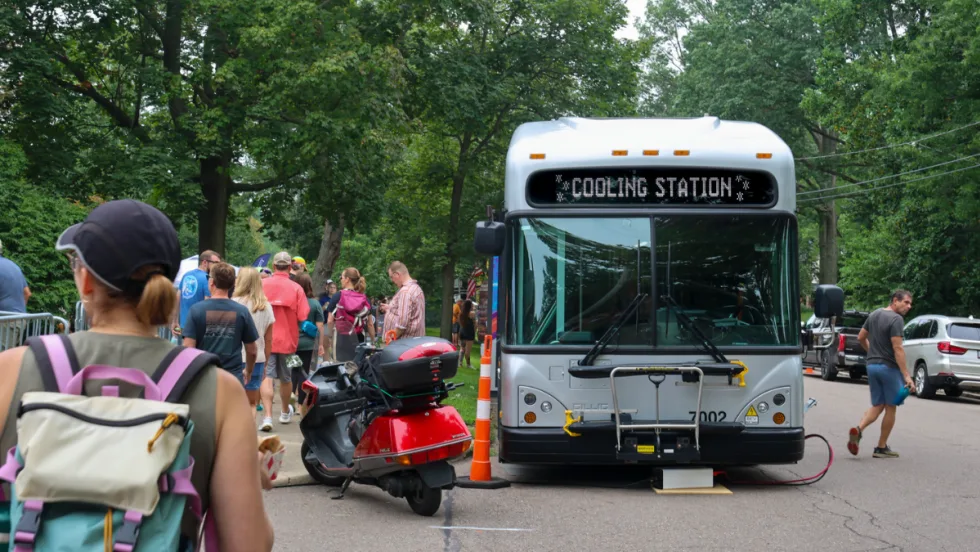
Ohio’s METRO RTA Turns Electric Buses into Mobile Power Sources at PorchROKR
See how three Gillig battery-electric buses powered festival stages while the agency’s new Park & Ride service carried approximately 1,000 attendees, demonstrating another potential use for transit agencies’ electric fleets.
Read More →
CALSTART and Forth Combine to Form Catalyst Mobility
The new name represents a renewed vision for the nonprofit focused on advancing clean, equitable, and affordable transportation solutions that move people and goods.
Read More →
Building a Flexible Path to Transit Electrification
John Hroncich discusses BAE Systems’ modular and scalable approach, lessons learned from decades of real-world operations, and how agencies can identify electrification strategies that fit their fleets.
Read More →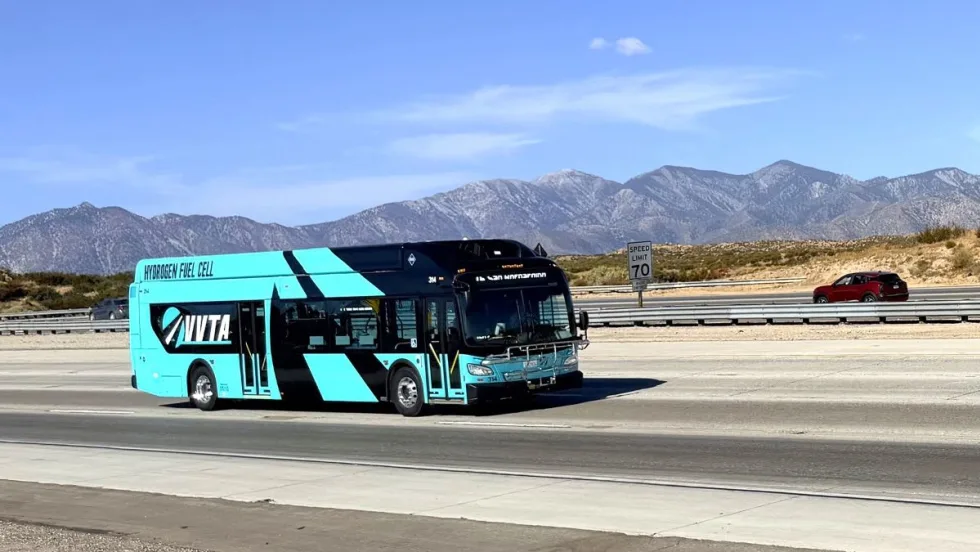
California's VVTA Begins Phased Rollout of Hydrogen Fuel Cell Buses
The agency is introducing 13 zero-emission buses into revenue service while evaluating performance across its urban, rural, and long-distance routes.
Read More →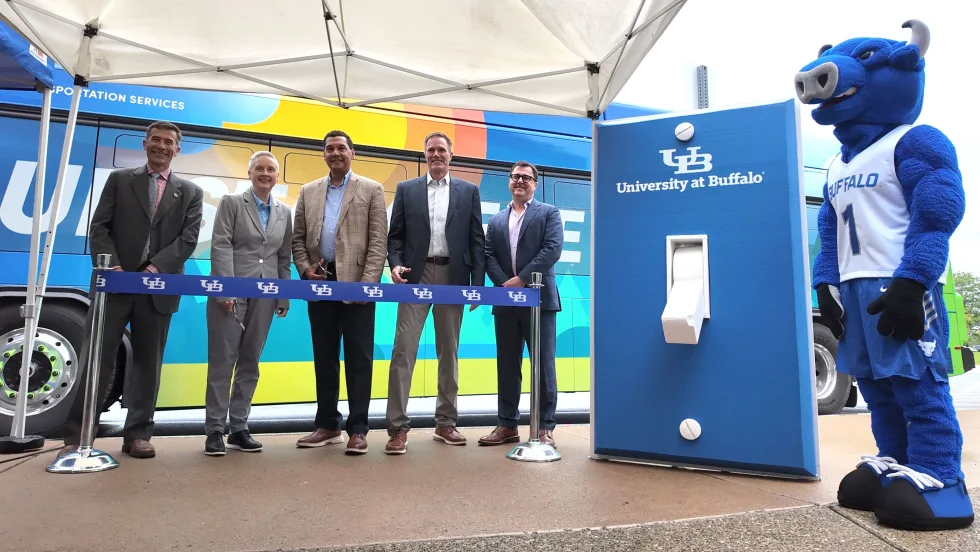
Inside Look: University at Buffalo Puts First 8 Electric Buses Into Stampede Service
UB, transportation solutions provider WeDriveU, and fleet electrification specialist Zenobē marked the deployment in the presence of students, university administrators, and local officials.
Read More →
Biz Briefs: OCTA Taps Clean Energy for Hydrogen Station, Stadler to Supply Via Rail Vehicles, and More
From manufacturers and suppliers to transit agencies and motorcoach operators, these updates offer a snapshot of the projects, partnerships and business moves driving the industry forward.
Read More →
AC Transit’s Cecil Blandon on Building the Next Generation of Transit Maintenance Leaders
The agency’s maintenance chief discusses leadership, workforce development, zero-emission technology, and preparing technicians for the future of public transportation.
Read More →
CTDOT Taps STV for Electric Bus Facility Design
The firm will work with CTDOT and RVT to define the facility layout, operational requirements, and long-term flexibility for RVT’s growing electric fleet.
Read More →
Chicago’s Pace Deploys 24 Hybrid-Electric Buses in Will County
The new buses reduce emissions and fuel consumption while advancing the agency's long-term goal of transitioning to a fully zero-emission fleet.
Read More →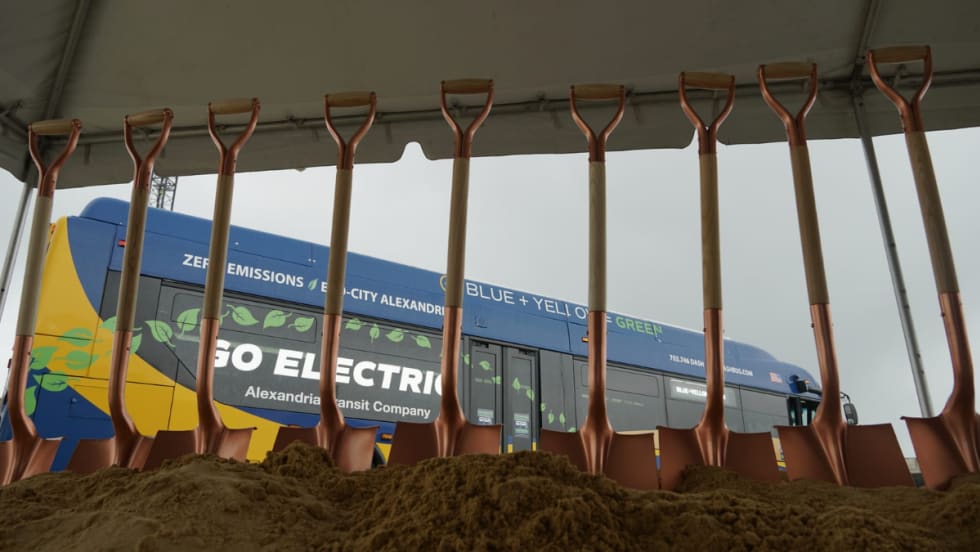
DASH Breaks Ground on First On-Route Electric Bus Chargers in D.C. Region
The fast-charging infrastructure will help extend electric bus range, improve fleet utilization, and support DASH's goal of transitioning to a fully zero-emission fleet.
Read More →