



Report: Fuel cell buses deemed global success
The report, “A Report on Worldwide Hydrogen Bus Demonstrations, 2002-2007,” examined hydrogen bus demonstrations in 19 cities in North America, Europe, Asia and Australia.

Fuel cell buses have operated successfully in public transit fleets around the world, according to a new report written for the Federal Transit Administration (FTA) by the Breakthrough Technologies Institute (BTI) and the Center for Transportation and the Environment (CTE).
The report, “A Report on Worldwide Hydrogen Bus Demonstrations, 2002-2007,” examined hydrogen bus demonstrations in 19 cities in North America, Europe, Asia and Australia. The report found that the vast majority of buses performed better than expected and were very popular among passengers. The buses also were popular with drivers, many of whom reported being less tired at the end of their shifts, primarily because fuel cell buses make significantly less noise than their internal combustion counterparts.
“Fuel cell buses were more reliable, better performing, and easier to integrate into public transportation fleets than many had expected,” said William Vincent, one of the authors of the report. “With additional research and development, they hold real promise to reduce pollution, greenhouse gas emissions, and petroleum dependence in public transportation fleets.”
The fuel cell buses typically were operated daily in 16-hour duty cycles. Collectively, they covered more than 1.6 million miles and served more than seven million passengers. The fuel cells were much more reliable than many transit agencies had expected and the operating life was increased significantly over previous generations of fuel cell technology.
To download the report, click here.
More Bus

ENC Lands MATA Contract and More in Biz Briefs
In this edition of Biz Briefs, we spotlight the latest developments shaping the future of mobility.
Read More →
From Surviving to Thriving: Building Stronger Transportation Organizations
Bus Business Consultants founder Brian Dickson shares lessons on leadership, organizational health, and creating options for long-term success in a changing transportation industry.
Read More →
Everett Transit, Community Transit Outline Consolidation Agreement
The proposed agreement calls for a 50% increase in bus service in Everett, a new microtransit zone, continued paratransit service, and the transfer of Everett Transit operations to Community Transit.
Read More →
SEPTA Details Accelerate Vision for Transit System
The plan outlines investments in trolley modernization, new Metro and Regional Rail vehicles, accessible stations, and more frequent bus and rail service.
Read More →
Report: Transit Bus Manufacturing Supports 34,100 Jobs, $5.1B in GDP
The “Buses Mean Business” report examines the transit bus manufacturing industry’s economic footprint, supply chain, and rising demand for vehicle replacements.
Read More →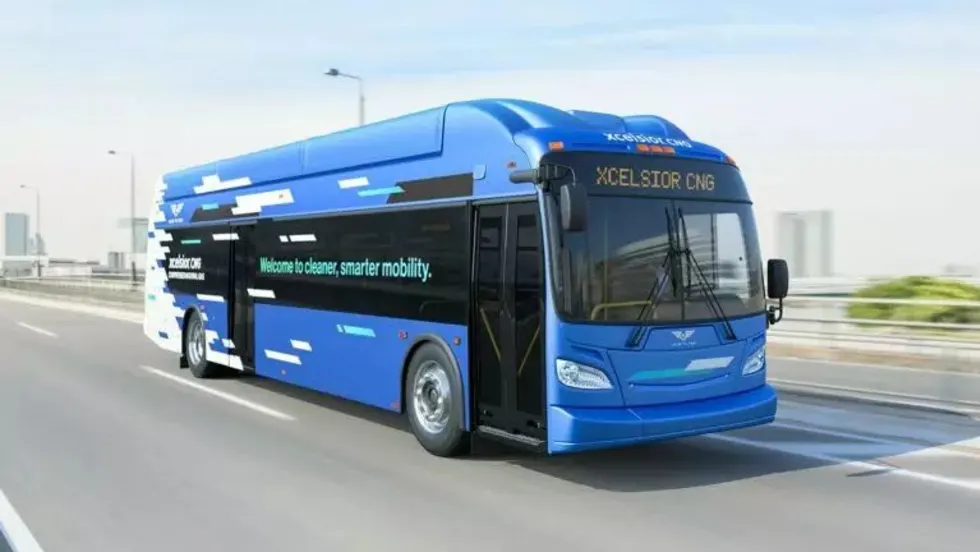
Biz Briefs: New Flyer Delivers in Columbus, Houston, Beep and Freebee Merge, and More
In this edition of Biz Briefs, we spotlight the latest developments shaping the future of mobility.
Read More →
People Movement: Dan Dipert Coaches Adds Third-Generation Leader, Keolis Names New Valley Metro VP/GM, and More
In this edition, we also cover recent appointments and announcements at the Wabtec, SilverRide, HNTB, and more, showcasing the individuals helping to shape the future of transportation.
Read More →
New York MTA Plans Largest Bus Fleet Upgrade in More Than a Decade
The agency is seeking manufacturers for 650 new CNG buses to replace aging vehicles, improve reliability, and advance its broader fleet modernization strategy.
Read More →
Building a Flexible Path to Transit Electrification
John Hroncich discusses BAE Systems’ modular and scalable approach, lessons learned from decades of real-world operations, and how agencies can identify electrification strategies that fit their fleets.
Read More →
Bus Tech Talk: Keeping Transit Technicians Ahead of the Technology Curve
LA Metro’s Obed Mejia discusses technician training, evolving maintenance technology, fleet replacement, and strategies for getting the most out of today’s transit fleets.
Read More →