



Rock Region METRO Unveils New Proterra Buses
The 40-foot Proterra ZX5 Max vehicles will be placed in service on area streets in July following additional staff training.

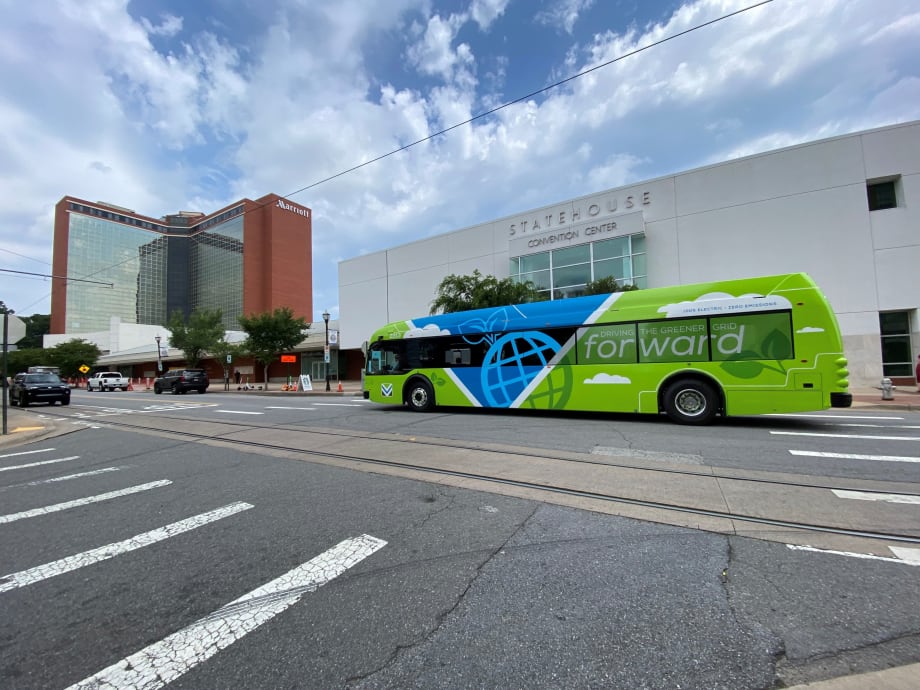
The vehicles are the first Proterra vehicles in the METRO fleet and in Arkansas.
Photo: Rock Region METRO
North Little Rock, Ark.’s Rock Region METRO launched its first five zero-emission mass transit buses — the first in “The Natural State.”
The 40-foot Proterra ZX5 Max vehicles will be placed in service on area streets in July following additional staff training. The buses were primarily funded by a 2021 $4.9 million “Shock the Rock” FTA 5339 Bus and Bus Facilities competitive grant, the agency’s largest competitive grant award to date, to purchase the buses and their related charging infrastructure.
“The Rock Region METRO team is proud to contribute to a more sustainable future by operating Arkansas’ first electric mass transit buses,” said Justin Avery, Rock Region METRO CEO. “Sharing your ride just got even more sustainable.”
Proterra’s BEBs
The battery-electric buses, or BEBs, have an operating range of 220 to 340 miles, and operate with 738 kWh of power. METRO has installed three Proterra Charging Systems Industrial Series 180kW charging cabinets at its headquarters that offer two 300-amp dispensers per cabinet, allowing all five vehicles to charge simultaneously if desired.
The BEBs have batteries with 12-year warranties, mirroring the Federal Transit Administration’s 12-year “useful life” designation for tracking mass transit bus asset conditions and investments. The vehicles are the first Proterra vehicles in the METRO fleet and in Arkansas.
The estimated vehicle service launch will be early-to-mid-July, following operator and maintenance team training. The first few months of operation will involve a charging management evaluation, as numerous factors affect the maximum operational range, including temperature, HVAC settings, driver behavior and terrain.
METRO will rotate the buses among Routes 3 Baptist Medical Center, 5 West Markham, 8 Rodney Parham, 10 McCain Mall, 14 Rosedale, 22 University Ave./Mabelvale and 23 Baseline/Southwest, which are the seven routes of the agency’s 15 fixed routes that can support a 40-foot-long vehicle (as opposed to a 35-foot vehicle, which has a tighter turning radius).
“As the state’s largest public transit agency, serving Arkansas’ urban core, we are accustomed to being the agency taking on new learning curves, and our foray into electric buses is no different than other METRO ‘firsts’ in that respect,” said Avery. “We are thankful to our supporters, including the Arkansas federal delegation, for understanding the critical need to diversify our fleet with locally-produced alternate fuel options to ensure service stability and sustainability.”
Rock Region METRO’s Transition to BEBs
The BEBs addition to the fleet means METRO will remove the last diesel buses in its fleet from service, effectively achieving a goal to complete its transition away from diesel-fueled vehicles by the end of 2025.
The initiative fulfills the U.S. Department of Transportation Strategic Plan FY 2022-2026 climate and sustainability strategic objectives to reduce air pollution and greenhouse gas emissions from transportation and advance a sustainable transportation system, as well as address the disproportionate negative environmental impacts of transportation on disadvantaged communities. It meets Arkansas Department of Transportation Long-Range Intermodal Transportation Plan objectives to support multimodal transportation alternative and intermodal mobility and to support initiatives to reduce congestion and improve air quality.
Finally, it fulfills Metroplan Central Arkansas 2050 long-range transportation plan goals to foster quality corridors and transportation choice, support environmental quality and sustainable energy efforts, sustain healthy and safe communities, and promote economic growth and vitality.
More Zero Emissions
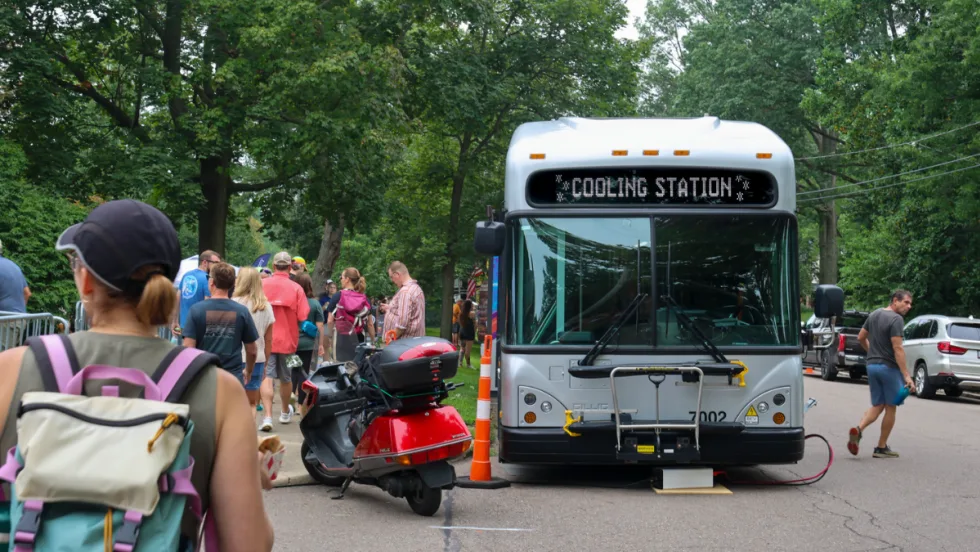
Ohio’s METRO RTA Turns Electric Buses into Mobile Power Sources at PorchROKR
See how three Gillig battery-electric buses powered festival stages while the agency’s new Park & Ride service carried approximately 1,000 attendees, demonstrating another potential use for transit agencies’ electric fleets.
Read More →
CALSTART and Forth Combine to Form Catalyst Mobility
The new name represents a renewed vision for the nonprofit focused on advancing clean, equitable, and affordable transportation solutions that move people and goods.
Read More →
Building a Flexible Path to Transit Electrification
John Hroncich discusses BAE Systems’ modular and scalable approach, lessons learned from decades of real-world operations, and how agencies can identify electrification strategies that fit their fleets.
Read More →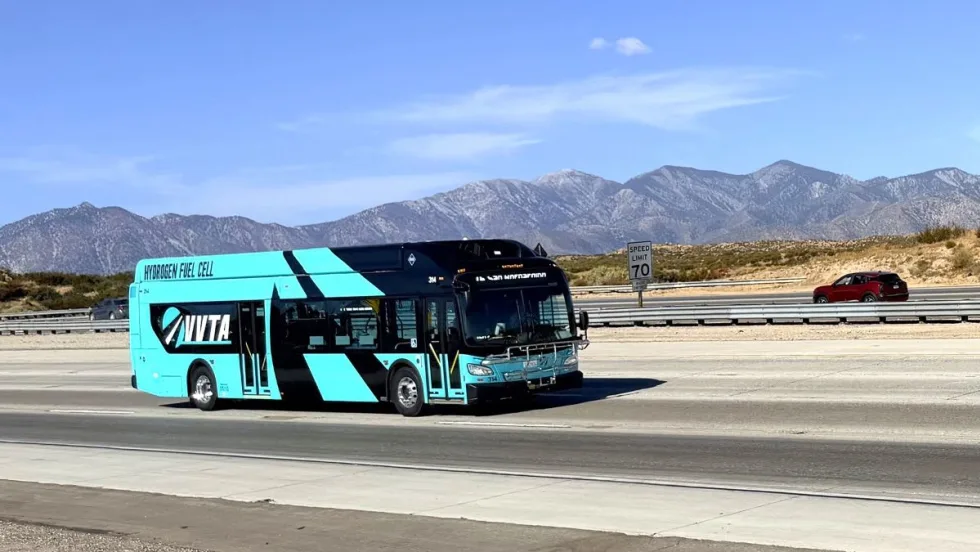
California's VVTA Begins Phased Rollout of Hydrogen Fuel Cell Buses
The agency is introducing 13 zero-emission buses into revenue service while evaluating performance across its urban, rural, and long-distance routes.
Read More →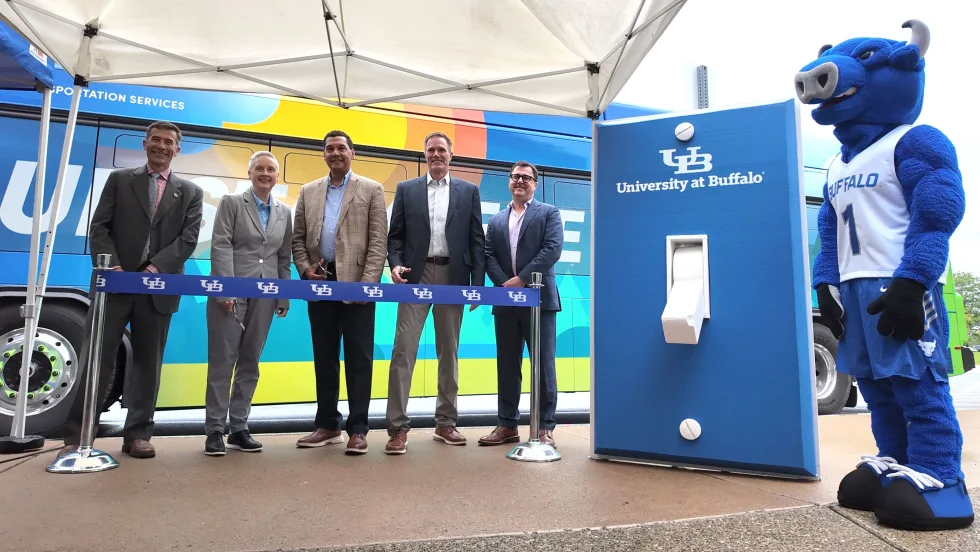
Inside Look: University at Buffalo Puts First 8 Electric Buses Into Stampede Service
UB, transportation solutions provider WeDriveU, and fleet electrification specialist Zenobē marked the deployment in the presence of students, university administrators, and local officials.
Read More →
Biz Briefs: OCTA Taps Clean Energy for Hydrogen Station, Stadler to Supply Via Rail Vehicles, and More
From manufacturers and suppliers to transit agencies and motorcoach operators, these updates offer a snapshot of the projects, partnerships and business moves driving the industry forward.
Read More →
AC Transit’s Cecil Blandon on Building the Next Generation of Transit Maintenance Leaders
The agency’s maintenance chief discusses leadership, workforce development, zero-emission technology, and preparing technicians for the future of public transportation.
Read More →
CTDOT Taps STV for Electric Bus Facility Design
The firm will work with CTDOT and RVT to define the facility layout, operational requirements, and long-term flexibility for RVT’s growing electric fleet.
Read More →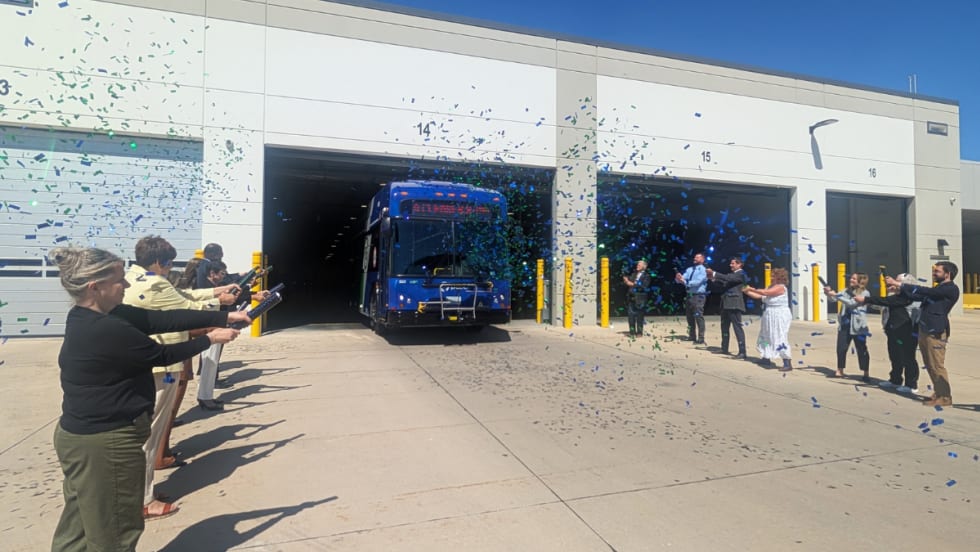
Chicago’s Pace Deploys 24 Hybrid-Electric Buses in Will County
The new buses reduce emissions and fuel consumption while advancing the agency's long-term goal of transitioning to a fully zero-emission fleet.
Read More →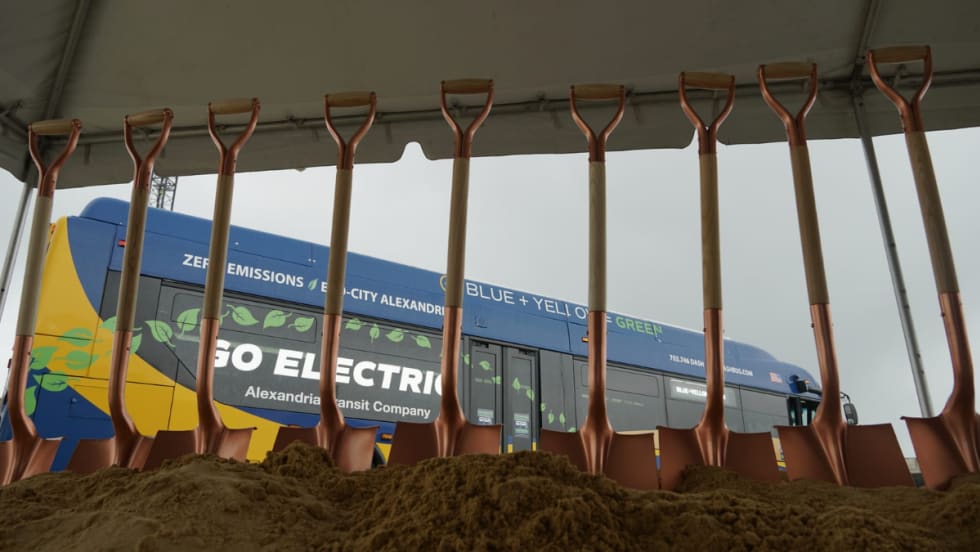
DASH Breaks Ground on First On-Route Electric Bus Chargers in D.C. Region
The fast-charging infrastructure will help extend electric bus range, improve fleet utilization, and support DASH's goal of transitioning to a fully zero-emission fleet.
Read More →